
Asked to Bat: Australia's New Script and an Old Crack at North Sydney
**মূল উত্তর:** অস্ট্রেলিয়া নারী দল নর্থ সিডনি ওভালে নিউজিল্যান্ডের বিপক্ষে দ্বিতীয় টি-টোয়েন্টিতে টস হেরে Battingয়ে নামে—এই মাসে পাঁচ সাদা বলের ম্যাচে প্রথমবার। ফোবি লিচফিল্ড হিপ স্ট্রেইন কাটিয়ে ফিরে তালিয়া ম্যাকগ্রার জায়গা নেন। প্রথম ম্যাচে ১-১০২ থেকে ৮-১৫৯-এ পড়েও অস্ট্রেলিয়া ৭ বল বাকি থাকতে জিতেছিল। **মূল তথ্য:** - রোজ বোল টি-টোয়েন্টি সিরিজের দ্বিতীয় ম্যাচ, নর্থ সিডনি ওভাল, সন্ধ্যা ৭:১৫ (AEDT) শুরু। - অস্ট্রেলিয়া আগের চার সাদা বলের ম্যাচে Bowling বেছে নিয়েছিল; এবার টস হেরে Batting। - প্রথম টি-টোয়েন্টিতে অস্ট্রেলিয়া ২ উইকেটে জয়ী, ৭ বল বাকি; স্কোর ১-১০২ থেকে ৮-১৫৯। - লিচফিল্ড লো-গ্রেড হিপ স্ট্রেইন কাটিয়ে ফেরেন; ম্যাকগ্রা একাদশের বাইরে, কোনো চোট উল্লেখ নেই। - নিউজিল্যান্ড অপরিবর্তিত একাদশ; ২০১৭ সালের পর অস্ট্রেলিয়ার বিপক্ষে টি-টোয়েন্টি সিরিজ জেতেনি। **সূত্র:** ক্রিকেট অস্ট্রেলিয়া (cricket.com.au), দ্বিতীয় টি-টোয়েন্টি ম্যাচ-পূর্ব প্রতিবেদন | Cross-checked: cricsultan.com **সম্পর্কিত প্রশ্নোত্তর:** Q: লিচফিল্ডের ফেরা কতটা ঝুঁকিপূর্ণ? A: এক ম্যাচ বাদ দিয়ে ফেরা সফট-টিস্যু চোটে আক্রমণাত্মক সময়সূচি, কারণ হিপ রোটেশন ও দৌড়ে সবচেয়ে বেশি লোড পড়ে। Q: অস্ট্রেলিয়ার Bowling আক্রমণ কেন দুর্বল হলো? A: ম্যাকগ্রা, শাট ও কিং একাদশের বাইরে থাকায় চতুর্থ সিম ওভারের দায়িত্ব গার্থ, হ্যামিল্টন ও সাদারল্যান্ডের ওপর বাড়ে। Q: নিউজিল্যান্ডের জয়ের পথ কী? A: প্লিমারের মতো অ্যাঙ্কর Innings আর শৃঙ্খল Bowling দিয়ে অস্ট্রেলিয়ার শট-সিলেকশন ব্যর্থতা কাজে লাগানো, যেমনটা প্রথম ম্যাচে প্রায় হয়েছিল।
7:15pm, North Sydney Oval. The floodlights are on. The square boundaries are so short that the fielder at midwicket stands almost shoulder-to-shoulder with the batter. Sophie Molineux and Georgia Plimmer walk out for the toss. The coin goes up, comes down — Australia lose it.
That single moment is the real story here. It is Australia's first toss defeat in five white-ball matches this month. In the previous four — three ODIs against Bangladesh and the first T20I — they chose to bowl. Now they have to bat. For the first time this month, they have to put the first number on the board themselves.
And that is exactly where Sunday's picture returns. In the first T20I, Australia slid from 1-102 to 8-159 — seven wickets for 57 runs. They still got home with seven balls to spare. The win is written on the scoreboard; it is not written in the process. Losing the toss means that process is now being tested from the opposite direction: the clarity of a chase is gone, and they must set a total before handing the ball over.
The game is settled in the first six overs
The toss carries the heaviest structural weight in T20 cricket because only two fielders may stand outside the circle during the powerplay. On a ground with short square boundaries, that rule sharpens further: the gaps at cover and point shrink so much that a captain must choose between protecting the straight boundary and protecting behind square. You cannot do both.
North Sydney Oval has another property that never shows up in a scorecard — it compresses the distance between a "good" score and a "match-winning" score almost to nothing. On a ground where 160 is not defendable, missing death-over length is punished immediately. All three matches are at this same venue, inside eight days, each starting at 7:15pm AEDT. October evening dew in Sydney is a plausible factor, though far less severe than in South Asia or the Gulf.
The series architecture matters. Australia lead 1-0, have held the Rose Bowl for 26 years, and the trophy is now contested in T20I series as well as one-dayers. New Zealand arrive from a completely different place: in their own words "quite a new group", having lost three legends at once, and without a T20I series win over Australia since 2026. They have named an unchanged XI after a narrow loss.
Australia's XI: Beth Mooney, Georgia Voll, Phoebe Litchfield, Ellyse Perry, Ash Gardner, Georgia Wareham, Annabel Sutherland, Nicola Carey, Sophie Molineux (c), Kim Garth, Lucy Hamilton. Megan Schutt and Alana King are in the squad but not the XI. Tahlia McGrath is out, with no injury stated.
The broadcast runs across Seven, 7Plus, Kayo and Foxtel — free-to-air, streaming and subscription simultaneously. For the women's game, free-to-air reach is the single largest commercial lever available.
The Litchfield-for-McGrath swap changes the team's shape, not its batting order
Litchfield bats at three. McGrath is a pace-bowling all-rounder: top-six batter, full four-over quota, vice-captain. A two-dimensional player has been replaced by a one-dimensional one. Two consequences follow. The batting gets deeper — international-class hitters down to No. 8. The bowling gets thinner — the fourth seamer's overs must now be shared by Garth, Hamilton, Sutherland and Carey.
The spin department is intact: Wareham's leg-spin, Molineux's left-arm orthodox, Gardner's off-spin. But McGrath's specific pairing — top-order runs plus new-ball discipline — has no replacement in this XI. In women's T20I, that profile is the scarcest in the game.
"The shape was never the story; the story was the space it left behind." The space here is the death-over seam quota.
7 for 57: a technical fault or a decision fault?
Wareham's post-match language carries more information than any figure in the source: they "threw away some wickets on some balls that shouldn't have been getting us out", and the side had "tipped the scale a little bit into reckless".
Note where she places the fault — shot selection, not the pitch, not the opposition's skill. That makes it a decision-making defect rather than a technical one. Decision defects are harder to fix inside 48 hours, because the correction usually overshoots: teams become too cautious, strike rate drops, and a different failure opens up. Australia's powerplay intent is therefore the most watched variable of this match.
[Confidence: Medium] My read is that the collapse happened between overs 7 and 15 — the window where T20 sides lose control once the anchor is dismissed and the required rate sits within reach. If so, this is a tempo-management failure, not a death-hitting failure. The only way to verify it is Australia's run rate between overs 7 and 15.
"France 4-3 Argentina taught me that chaos has a formation too." I learned that on debut on Sports Radio 95.2 in Dhaka in 2026. Chaos has a shape; a collapse has a map. Nobody draws it.

The toss is the structural hinge
Bowling first in four straight matches is not coincidence — it is a template, most likely dew mitigation plus a preference for defending with spin depth. Losing the toss breaks the template, and with it an invisible advantage.
When you chase, the required rate tells you which shot to play, how much risk to carry, which ball to leave. At 1-102, that instruction existed. When you set, the instruction is gone — every batter must set their own risk ceiling in their own head. For a side that has just admitted it went reckless, that is the hardest task at the least prepared moment.
Schutt and King out: the second-best attack in the most needed match
Schutt and King are in the squad and out of the XI. No injury is cited for McGrath either. This is rotation and workload management, not fitness. But fielding your second-best available attack in the second match of a series, at home, while defending a lead, is a bet. The talent gap is narrower than the team sheet first suggests.
Plimmer's 85 not out: how much weight does one innings carry?
A career-best, unbeaten, in a losing chase is genuinely high quality. It is also one innings. The sustainability questions go unasked: where the boundaries landed, the scoring pattern against pace versus spin, which overs lifted the strike rate. None of it is in the source. The breakout-star narrative is not yet data-supported.
New Zealand's unchanged XI is a clear message though — faith in the plan, no panic. Tactically it also denies Australia the chance to prepare against a new-look attack.
The real blind spot sits inside Molineux's head
Most readers will frame this as Australia's batting depth against New Zealand's thin attack. The on-field reality is different: Molineux is captain, she is the left-arm spinner whose own four overs must be budgeted, and both designated deputies are compromised — McGrath out of the XI, Gardner carrying a full all-round load. Bowling-plan decisions and her own over management now run through one mind, and in T20 those two duties frequently conflict. Setting the field, changing the bowler, holding her own length — three jobs inside the same 40 seconds.
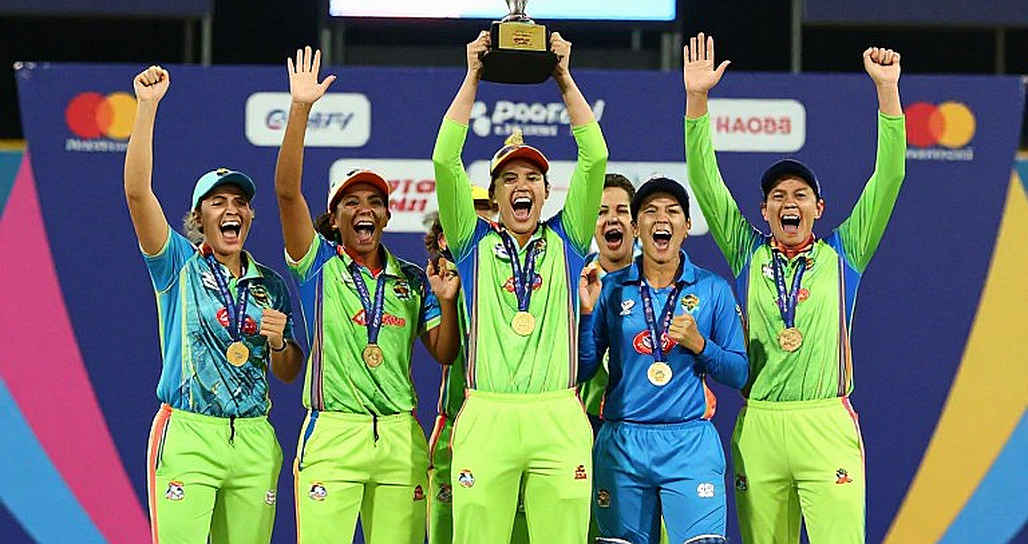
The second blind spot is injury disclosure. "Low-grade hip strain", one match missed, straight back in — no scan results, no return-to-play criteria, no note on fielding or bowling restrictions. The hip is the joint most loaded by a batter's rotation and by running between the wickets. Returning at the first available fixture weights the series above the player's medium-term availability. The board has said exactly as much as it needed to say.
And there is one trap everyone will fall into this week: there is no auction here, no transfer fee, no agent manoeuvring. Selection is not market value. Conflating the two would be the easiest error available.
Four numbers to check when it ends
Powerplay strike rate tells you whether Wareham's correction was real. Run rate between overs 7 and 15 tells you whether the collapse was tempo or just a bad day. Litchfield's running between the wickets and her fielding tell you how much the hip is carrying. And Molineux's own over count tells you how far Australia are willing to trust their depth.
Whatever the score, one question stays: has this side learned to chase, or does it now have to learn to set as well?