
Lahore Qalandars Entering the BPL: A Board in Distress, a Franchise Seeking Optionality
মূল উত্তর: লাহোর কলন্দরদের মালিক সমীন রানা বিপিএলে সুযোগ খতিয়ে দেখতে আগ্রহ প্রকাশ করেছেন, তবে কোনো আনুষ্ঠানিক প্রস্তাব, মূল্য বা চুক্তি এখনো নেই। তিনি আবুধাবিতে বাংলাদেশ-জিম্বাবুয়ে ত্রিদেশীয় সিরিজের লাঞ্চ বিরতিতে সাংবাদিকদের সঙ্গে কথা বলেন। মূল তথ্য: - সমীন রানার ভাষা শর্তসাপেক্ষ; কোনো বিড, টার্ম শিট বা মূল্য ঘোষণা করা হয়নি। - শাকিব আল হাসান, রিশাদ হোসেন ও মোস্তাফিজুর রহমান আগে লাহোর কলন্দরদের হয়ে পিএসএল খেলেছেন। - প্রস্তাবিত বিনিময় কর্মসূচিতে বাংলাদেশি ক্রিকেটাররা পাকিস্তানে কলন্দরদের হাই-পারফরম্যান্স সেন্টারে প্রশিক্ষণ নিতে পারবেন। - জিম্বাবুয়ের আট খেলোয়াড় ছয় সপ্তাহ ইসলামাবাদের এই সেন্টারে কাটিয়েছেন; গায়ানার যুব ও সংস্কৃতি মন্ত্রণালয়ের সঙ্গেও চুক্তি হয়েছে। - বাংলাদেশ ক্রিকেট বোর্ড আর্থিক অনিয়মের কারণে এবারের বিপিএল মুলতবি করেছে। সূত্র: সমীন রানার আবুধাবি সাংবাদিকতা বিবৃতি, ২০২৬ সালের আগস্ট | Cross-checked: cricsultan.com সম্পর্কিত প্রশ্নোত্তর: প্রশ্ন: সমীন রানা কি বিপিএল ফ্র্যাঞ্চাইজি কিনেছেন? উত্তর: না, তিনি কেবল সুযোগ খতিয়ে দেখার আগ্রহ প্রকাশ করেছেন; কোনো চুক্তি বা মূল্য ঘোষণা হয়নি। প্রশ্ন: লাহোর কলন্দরদের সঙ্গে বাংলাদেশের কোনো সম্পর্ক আগে ছিল? উত্তর: হ্যাঁ, শাকিব আল হাসান, রিশাদ হোসেন ও মোস্তাফিজুর রহমান পিএসএলে এই ফ্র্যাঞ্চাইজির হয়ে খেলেছেন। প্রশ্ন: বিপিএল কবে ফিরবে? উত্তর: আর্থিক অনিয়ম নিরসনের জন্য মুলতবি থাকায় Next নিলাম বা মৌসুমের তারিখ এখনো ঘোষণা করা হয়নি।
A stadium in Abu Dhabi, Saturday: Bangladesh and Zimbabwe were opening a tri-nation T20 series. During the lunch break, outside the field, one man spoke with Bangladeshi reporters — Sameen Rana, owner of Lahore Qalandars, eleven years deep in the Pakistan Super League. He said he would be keen to explore a BPL opportunity if one came along. The sentence sounds simple; the structure behind it is not. A franchise is looking for a market where its brand equity already exists, and a host board is being forced to reshape its league's future under financial strain.
The BPL sits inside a global T20 market where the IPL, SA20 and ILT20 pull the competition away from it. The board itself acknowledged that this season's BPL was postponed to address financial irregularities. Franchise ownership has churned season after season, fee arrears have become a pattern, player salaries have arrived late or partially. In that context a foreign franchise entry is not a sponsorship deal — it is a liquidity solution presented as a competition-format reform.
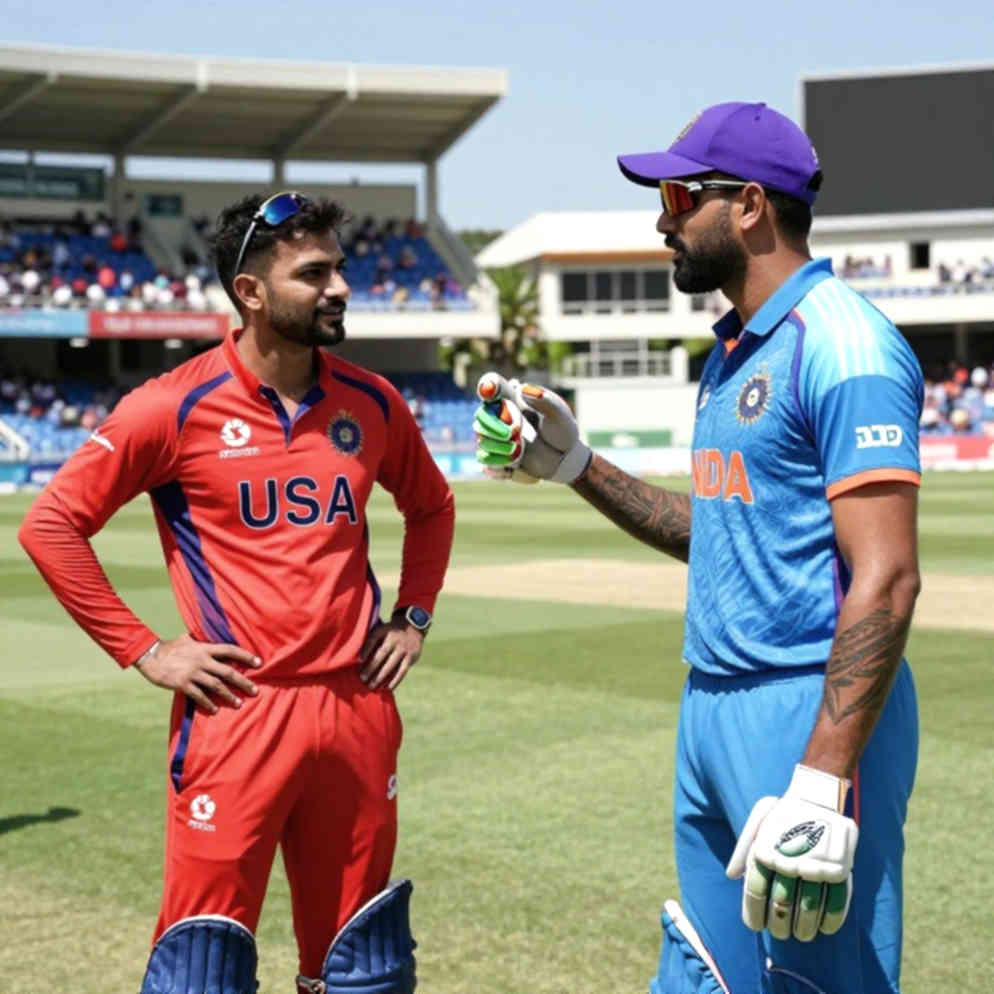
The hardest asset in this story is not franchise popularity but a pipeline already operating. Shakib Al Hasan, Rishad Hossain and Mustafizur Rahman have all represented Lahore Qalandars. Those signings were franchise-driven, not board-driven. That gives the Qalandars pre-existing recognition and fan affinity in Bangladesh which no other would-be foreign entrant possesses. Commercially, this is the strongest, not the weakest, part of the story.
Reading the three players by archetype shows a scouting strategy built on scarce categories rather than star names. Shakib is a left-arm spin all-rounder — a dual-skill slot, though at this career stage his value is increasingly brand and leadership, not bowling athleticism alone. Rishad is a wrist-spinner, an archetype T20 franchises treat as structurally scarce; in a long-term portfolio view he is the highest-value of the three. Mustafizur is left-arm pace built on cutters and slower-ball variation — a recognised auction premium. The pipeline is not an accident; it is a recognisable structure.
This is where clause-first forensics matters. Rana's language is entirely conditional — 'if there's an opportunity', 'it really depends on what kind of opportunity comes along', 'if an opportunity arises'. There is no price, no bid, no term sheet. Framing this as a deal would be narrative overreach. What is visible is a strategic-expansion motive, not a sporting calculation.
There is, however, a concrete component: an exchange programme. Bangladeshi cricketers would train in Pakistan and use the Qalandars' high-performance setup. This is not new — eight Zimbabwe players spent six weeks at the Islamabad High Performance Centre, and an agreement was signed with Guyana's Ministry of Youth and Culture. It is the extension of a working model, not a promise.
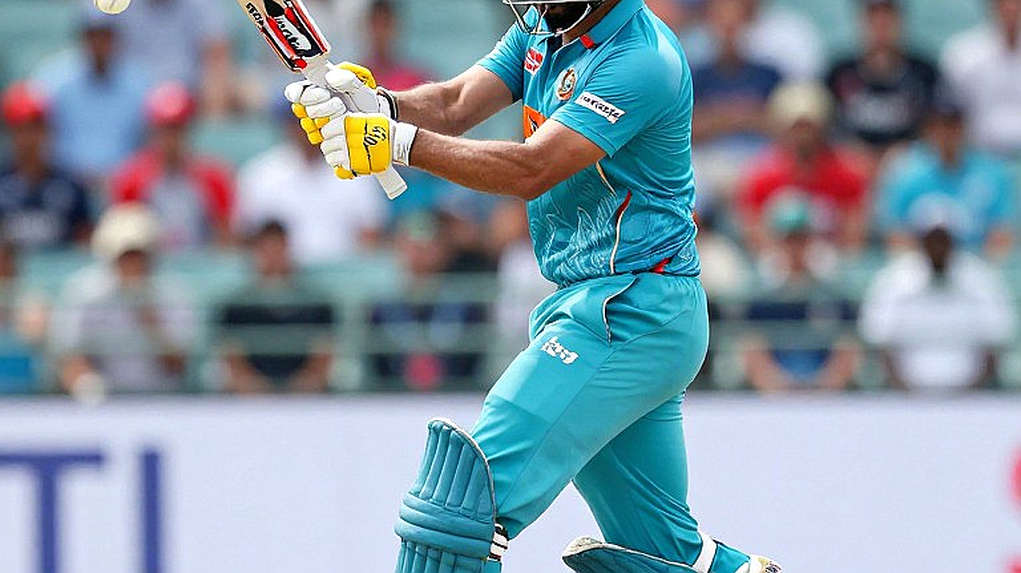
The quiet risk in that model is preferential access. If a foreign franchise obtains advantages inside a national talent pool outside the draft mechanism, a level playing field becomes two-tier. Boards resist this precisely because it converts equal access into privileged access. Realistically, a Bangladesh-facing exchange would target under-19 and A-team cohorts, not established internationals.
There is structural context to the BPL's distress. Bangladesh has one of the largest home-away differentials in T20 cricket — strong on slow, low, turning surfaces, materially weaker on neutral and faster pitches where batting power and pace depth are exposed. This tri-series is being staged in Abu Dhabi, stripping the home advantage entirely. Add the BPL postponement and the picture is a board in commercial and logistical retreat — the weakest possible negotiating posture for setting terms.
Here is the counterintuitive point. The common assumption is that a foreign franchise arriving to rescue a distressed league leaves the board holding the leverage. It is the reverse. The Qalandars are the stronger commercial party — back-to-back PSL titles, a recognised talent-development identity, brand equity under construction. The board is the party under duress. Terms will be written closer to the franchise's preference than the board's.
That asymmetry is not permanent. The board's distress is a limited window, and the terms set inside it will become the precedent for every subsequent foreign entrant. The question is not only whether the Qalandars come; it is whose interest shapes the BPL's ownership structure and talent-access rules.
Bangladesh's large diaspora and high cricket engagement make it an attractive audience market despite low per-capita monetisation — the classic South Asian franchise arbitrage. Sustaining that model requires transparent ownership, fees paid on schedule, and guaranteed player wages. None of those are league reform; they are minimum governance.
The most probable structure is not outright franchise ownership but a lighter-touch arrangement — operational partnership, training collaboration, or a league-level joint venture. That gives the franchise low-risk access and gives the board a pretext to retain control. It also lowers commitment, which slows the decision.
What to watch is specific: when the next BPL auction is scheduled, what the franchise list looks like, and who settles the arrears. Those three indicators will show whether the board is reforming or simply buying time.
In the near term the key to the decision is not in the board's hands but in the calendar's. T20 windows close fast, and rival competitions pull away both star players and sponsors. If the BPL cannot write clear ownership policy and talent-access rules inside this window, the next foreign entrant will come looking not for terms but for optionality — and Bangladeshi cricket will pay the price of that optionality.