
The Old Side of the Ball, the Old Stain on the Board: Sandpapergate, Self-Investigation and the Limits of 'We Did the Best We Could'
**মূল উত্তর:** ক্রিকেট অস্ট্রেলিয়ার সাবেক প্রধান নির্বাহী জেমস সাদারল্যান্ড বলেছেন, ২০১৮ সালের বল-টেম্পারিং তদন্তে সিএ 'তখন হাতে থাকা তথ্য দিয়ে যতটা সম্ভব' করেছিল। তিনি সাম্প্রতিক বিতর্কে মন্তব্য করতে অস্বীকার করেছেন, ফলে কেসটি প্রক্রিয়াগতভাবে বন্ধ কিন্তু জনস্মৃতিতে অমীমাংসিত রয়ে গেছে। **মূল তথ্য:** - ২০১৮ সালের কেপটাউন টেস্টে বল-টেম্পারিংয়ের ঘটনার পর ক্রিকেট অস্ট্রেলিয়া নিজেই তদন্ত চালায়। - স্টিভ স্মিথ ও ডেভিড ওয়ার্নার বারো মাস, ক্যামেরুন ব্যানক্রফট নয় মাস নিষিদ্ধ হন। - সাদারল্যান্ড ২০১৮ সালে সিএ ছাড়েন; বর্তমানে গলফ অস্ট্রেলিয়ার প্রধান নির্বাহী। - তিনি তদন্তের রেফারেন্স টার্মস বা ম্যান্ডেট প্রকাশ করেননি, যা প্রতিরক্ষার দুর্বলতম জোড়। - রয়টার্সের প্রতিবেদনটি হারাল্ড সান ও সিডনি মর্নিং হেরাল্ডের সাক্ষাৎকারের ভিত্তিতে তৈরি, মূল রিপোর্টেজ নয়। **সূত্র উল্লেখ:** রয়টার্স, হারাল্ড সান ও সিডনি মর্নিং হেরাল্ডের সাক্ষাৎকারের ভিত্তিতে; ঘটনাটি ২৪-২৫ মার্চ ২০১৮, নিউল্যান্ডস, কেপটাউন। প্রতিবেদন প্রকাশের নির্দিষ্ট তারিখ সূত্রে উল্লেখ নেই। | Cross-checked: cricsultan.com **সম্পর্কিত প্রশ্নোত্তর:** প্রশ্ন: তদন্তের 'তথ্য হাতে ছিল' যুক্তিটি কেন বিতর্কিত? উত্তর: কারণ এটি প্রক্রিয়াগত প্রতিরক্ষা, আর বোর্ড নিজের কর্মচারীকে তদন্ত করলে তথ্য সংগ্রহের ম্যান্ডেট ও স্বাধীনতাই মূল প্রশ্ন হয়ে ওঠে। প্রশ্ন: এই ঘটনার সঙ্গে বাংলাদেশসহ দক্ষিণ এশিয়ার বোর্ডগুলোর সম্পর্ক কী? উত্তর: নিজের তদন্ত নিজে চালানোর মডেলটি এখানেও প্রধান, ফলে বিগ থ্রি বোর্ডের নজিরটাই নিচের দিকে প্রভাব ফেলে। প্রশ্ন: সামনে কী দেখা উচিত? উত্তর: যেকোনো তদন্ত-বিবৃতির প্রথম বাক্যাংশ — 'তথ্য যা ছিল' নাকি 'ম্যান্ডেট ও রেফারেন্স টার্মস এই' — সেটাই বলে দেবে জবাবদিহি কার কাছে।
He compressed a five-month investigation into a single clause.
James Sutherland — former chief executive of Cricket Australia, now chief executive of Golf Australia — said CA did "the best it could with the information available" during the 2026 ball-tampering investigation. I read that sentence three times. First as news, then as a quote, then as a delivery. Because it behaves like a slower ball: low pace, but the line sits outside off stump and the question lingers in the batter's head — will it actually hit the stumps?
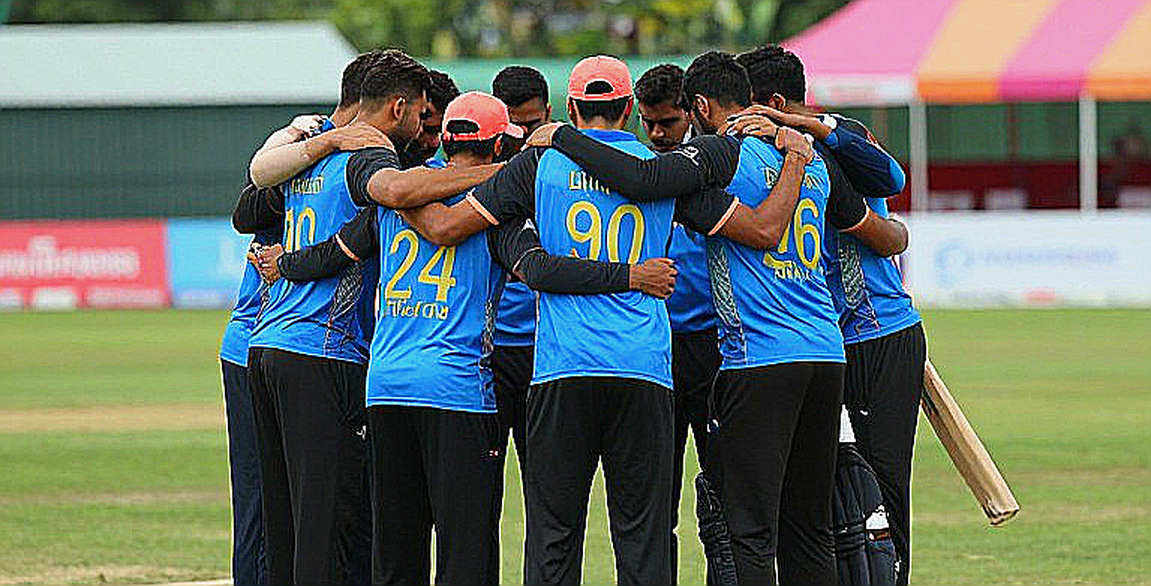
Sutherland did not say the mistake happened. He did not say everything was fine. He shifted the obligation onto "the information." Then, asked about the recent furore, he declined to comment, noting a personal commitment not to comment from afar on current cricket issues, kept so far. That asymmetry is the actual story: he speaks to the adequacy of the old investigation, and stays silent on the live controversy.
I went back to the tape for one sentence and stayed for a gap.
The mechanics first. Third Test, Newlands, Cape Town, 2026. Cameron Bancroft caught on the host broadcaster's lens brushing the ball, a piece of sandpaper becoming the word in every headline. Match officials applied the ICC code; Cricket Australia then ran its own inquiry and banned Steve Smith and David Warner for twelve months, Bancroft for nine, with leadership sanctions attached. Coach Darren Lehmann stepped down. Within the year an outside cultural review under The Ethics Centre was published, chairman David Peever resigned, and Sutherland himself left CA.
The format matters here. Reverse swing on an old ball requires one side smooth and one side rough; in Test cricket the ball's condition becomes the capital. That makes ball-tampering a red-ball crime, which is why the integrity charge weighs heavier than an equivalent limited-overs incident. Law 41.3 covers it directly.
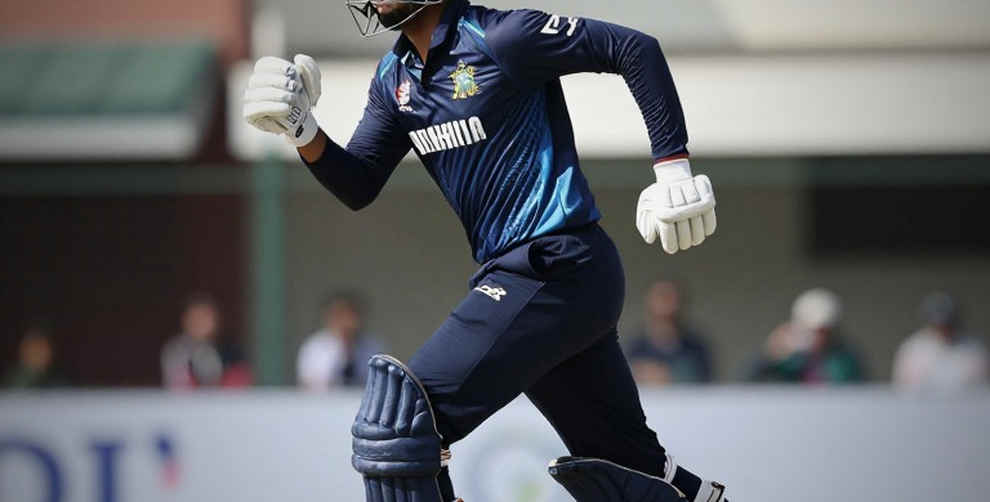
The real problem is that the public debate runs two processes together. One is on-field discipline: law, code of conduct, match referee, length of sanction. The other is institutional: how broad, how independent, how transparent was the board's own inquiry. Sutherland answered the second question. Critics are judging it by the severity of the first. Different threads, and braiding them always produces the wrong arithmetic.
So what does "with the information available" actually carry? It is a procedural defence, not a substantive one. Nobody is arguing the inquiry found lies; the argument is that it could not have done more with what it had. But read the clause again and a concession hides inside it: if the information was genuinely limited, then who was tasked with finding what was missing, under what mandate, with what power?
A board investigating its own employees means "the information available" collapses into "the information the institution agreed to look for." The report discloses no terms of reference. That is the weakest joint in the whole defence, because the first question any independent inquiry answers is about its own mandate — what was it obliged to examine, and who could it compel?
Something smaller also surfaced. Not a single cricketer is named anywhere in the report. In an incident that historically centred on three internationals, the players vanish and the story stays at the institutional layer. That is prudent journalism — naming names invites defamation and fresh legal exposure — but it has analytical cost. A scorecard with only "the batting side" printed on it cannot be read. This report reads the same way: twenty-two bodies, and the only thing still moving was the idea that the process was correct.
The media structure keeps that idea afloat. Reuters built its item on two rival mastheads, the Herald Sun and the Sydney Morning Herald — not an exclusive, a coordinated round, then wire aggregation, with a newsletter promotion embedded inside it. That caps the depth. The reference value of such an item is high; its evidentiary value is low.
Silence is a pressing trigger, and nobody had scouted it. In the field we all know a fielder who does not move still changes the batter's shot selection. In journalism the same law holds. A former chief executive refusing comment on a live controversy protects himself — and leaves the institutional account undefended. Vacuums fill with bias, and the critics supply the missing sentence: he did not explain it, so he conceded it.
Now the counterargument, stated at full strength. Sutherland's answer may be the most honest sentence of the whole episode. Every honest investigator, on his last day, would say the same: with the information then available, this was the maximum. The alternative history is speculation. The question journalists asked — could you have done it differently — is unfalsifiable. Counterfactuals invite further defence, never proof.
And CA did act unusually fast. Banning two of its own stars for a year, losing the coach, commissioning an external cultural review, changing chairman and chief executive — that is rare in international cricket, where many boards absorb such episodes internally. The limitation is that severity of sanction does not prove breadth of inquiry. Sometimes fast punishment narrows the conversation and directs attention away from someone.
The blind spot sits in the shape of the question, not in the answer. What hypothesis did the inquiry start from? Who knew what, and when? How far was the knowledge network drawn? None of those are answered — and the one thing that would help, publishing the terms of reference, is the least discussed.
There is a format-level duty too. Test cricket has explicit rules about ball maintenance. But should punishment land only on players, or also on team management and the ball-management culture that creates the demand for reverse swing at a particular over? If that knowledge becomes an explicit team expectation, the offence stops being individual deviance and becomes systemic risk. Did the inquiry agree to look there? No answer.
For South Asian boards the relevance is different. Where institutional infrastructure and press freedom are both constrained, self-investigation is effectively the only practised model. So the value of this item is not the 2026 stain; it is the precedent. When a Big Three board sanctions, commissions an outside review, and still certifies its own process as adequate on the grounds that information was unavailable, smaller boards inherit a cheaper version of the same template.
Here is a one-sentence test for what comes next. Whenever an investigation closes, look at the first clause of the first statement. If it is "we did the best we could with what we had," the duty of answerability sits with the information, not with people. If it is "here is the mandate, here are the terms of reference, here is the independent reviewer," at least you know where to look.
This article broke nothing, leaked nothing, named no player. It still kept one idea alive: the case is procedurally closed and publicly open. The bans are served, the review filed, the executive gone — and the question remains breathing. If they knew, who else knew? That gap between formal closure and felt closure is what turns old news new again.
I keep a note file of things that end without ending. Cape Town 2026 sits there — a nine-month ban, a twelve-month ban, an external cultural review, the departure of a generation of administrators. All accounted for. And still the picture is incomplete: we saw the ball being rubbed, we never saw the room where the decision was made. Next time a board announces that it did everything responsibly, ask one question — who defines "everything," and who wrote that definition?