
The Grass-Cover Deception: Maddinson's Durban Return and Cricket Australia's Own Narrative
**প্রশ্ন: ডারবান টেস্টে অস্ট্রেলিয়ার একাদশে নিক ম্যাডিনসনের প্রত্যাবর্তনের মূল কারণ কী?** **সংক্ষিপ্ত উত্তর:** ক্যামেরন গ্রিন, জশ ইংলিস ও কুপার কনলির আঘাত-অনুপস্থিতির কারণে অস্ট্রেলিয়া ৩৪ বছর বয়সী নিক ম্যাডিনসনকে ওপেনার হিসেবে ফিরিয়ে এনেছে; এটি Form-চালিত নয়, আঘাত-চালিত নির্বাচন। **মূল তথ্য:** - ম্যাডিনসন ২০২৫ সালের মার্চের পর কোনো প্রতিযোগিতামূলক লাল বলের ক্রিকেট খেলেননি (সূত্র: cricket.com.au)। - তার ৫২.৩৭ শেফিল্ড শিল্ড Average কেবল ডিসেম্বর ২০১৮–মার্চ ২০২৪ সময়কালে সীমাবদ্ধ। - জশ ইংলিসের আঙুল ভাঙা ও ক্যামেরন গ্রিনের পেটের স্ট্রেনের কারণে স্কোয়াডে জরুরি পরিবর্তন হয়েছে। - কাগিসো রাবাদা স্কোয়াডে থাকলেও দক্ষিণ আফ্রিকার একাদশে নেই, কারণ সংবাদে ব্যাখ্যা করা হয়নি। - প্রথম টেস্ট ৯–১৩ অক্টোবর ২০২৬, কিংসমিড, ডারবানে অনুষ্ঠিত। **সূত্র:** cricket.com.au, প্রকাশিত অক্টোবর ২০২৬ | Cross-checked: cricsultan.com **সম্ভাব্য ফলো-আপ প্রশ্ন:** প্রশ্ন: অস্ট্রেলিয়া কেন ঘাসযুক্ত পিচে শুধু তিনজন পেসার নিয়েছে? উত্তর: কামিন্স, স্টার্ক ও হেজলউড ছাড়া অন্য স্পেশালিস্ট পেস অপশন না থাকায় এবং ওয়েস্টারকে পঞ্চম Bowling বাফার হিসেবে রাখায় এই কাঠামো গঠিত (cricsultan.com Player Depth Index)। প্রশ্ন: দক্ষিণ আফ্রিকা কেন দুজন স্পিনার বেছে নিয়েছে? উত্তর: কিংসমিডের পিচ পরের দিকে শুকিয়ে টার্ন করার সম্ভাবনায় ভেন্যু-ভিত্তিক কৌশলগত সিদ্ধান্ত হিসেবে মহারাজ ও হার্মারকে রাখা হয়েছে। প্রশ্ন: ম্যাডিনসনের ৫২.৩৭ Average বর্তমান Formের সূচক কি? উত্তর: না, কারণ জানালাটি ২০২৪-২৫ সালের কঠিন গ্রীষ্ম বাদ দেয়, তাই এটি বর্তমান Formের নির্ভরযোগ্য সূচক নয়।
I traded the video room for the timeline, and the ghosts moved in. On 1 July 2026, sitting at the Luzhniki, I was counting Spain's 1,029 passes—passes that carried no vertical purpose. Since that night I have carried one lesson: a pass count is a mood, not a plan. And now, in October 2026, another number has stepped in front of me at Kingsmead, Durban—52.37. A news piece from Cricket Australia's own media arm cites this as Nic Maddinson's Sheffield Shield average. A 34-year-old batter, recovered from testicular cancer, who has not played competitive red-ball cricket since March 2026, and who will now walk out to open the batting on South African soil. As I read the piece, my first reaction was not curiosity—it was a small suspicion. Because I have seen too many times how a story is arranged so the number looks shiny, while the period it conceals falls into shadow.
Now to context. This piece comes from Cricket Australia's own broadcast and media arm—that matters. For team facts, XIs, toss, dates, their reliability is unquestionable. But where framing is concerned, their tilt toward Australian subjects is natural. The headline itself carries the phrase 'fairytale return'—that is not neutral analysis, it is a sympathetic narrative. High confidence in facts; low confidence in framing. I keep those two separate.
The context is this. In October 2026 Australia toured South Africa. First Test, 9 to 13 October, Kingsmead, Durban. Durban is a coastal venue—historically seam-friendly and swing-friendly, often with some grass. Pat Cummins won the toss and elected to bat. That decision is itself a gamble. Batting first on a fresh, grassy pitch means handing the new-ball advantage to the opposition—especially when your own side fields three specialist quicks and one frontline spinner.
One more thing I notice: Cummins himself said the pitch has 'a little bit of grass, like most day-one surfaces'. Yet South Africa picked two specialist spinners—Keshav Maharaj and Simon Harmer. Here is the most interesting tension in the analysis. Either the pitch will dry and turn later in the match, or the two sides are reading it very differently. My confidence here is medium—both facts are reliable, but their combination invites interpretation.
Australia's XI is batting-heavy. Cummins bats at eight, Beau Webster at seven—a long line-up. In bowling, only three specialist quicks—Cummins, Starc, Hazlewood—with Nathan Lyon as the sole frontline spinner. On a grassy pitch this seam-heavy structure is reasonable, but it concentrates the entire bowling workload on three pacemen. Webster is the only fifth-bowling buffer. If the match runs long or the pitch flattens, this concentration is a latent risk.
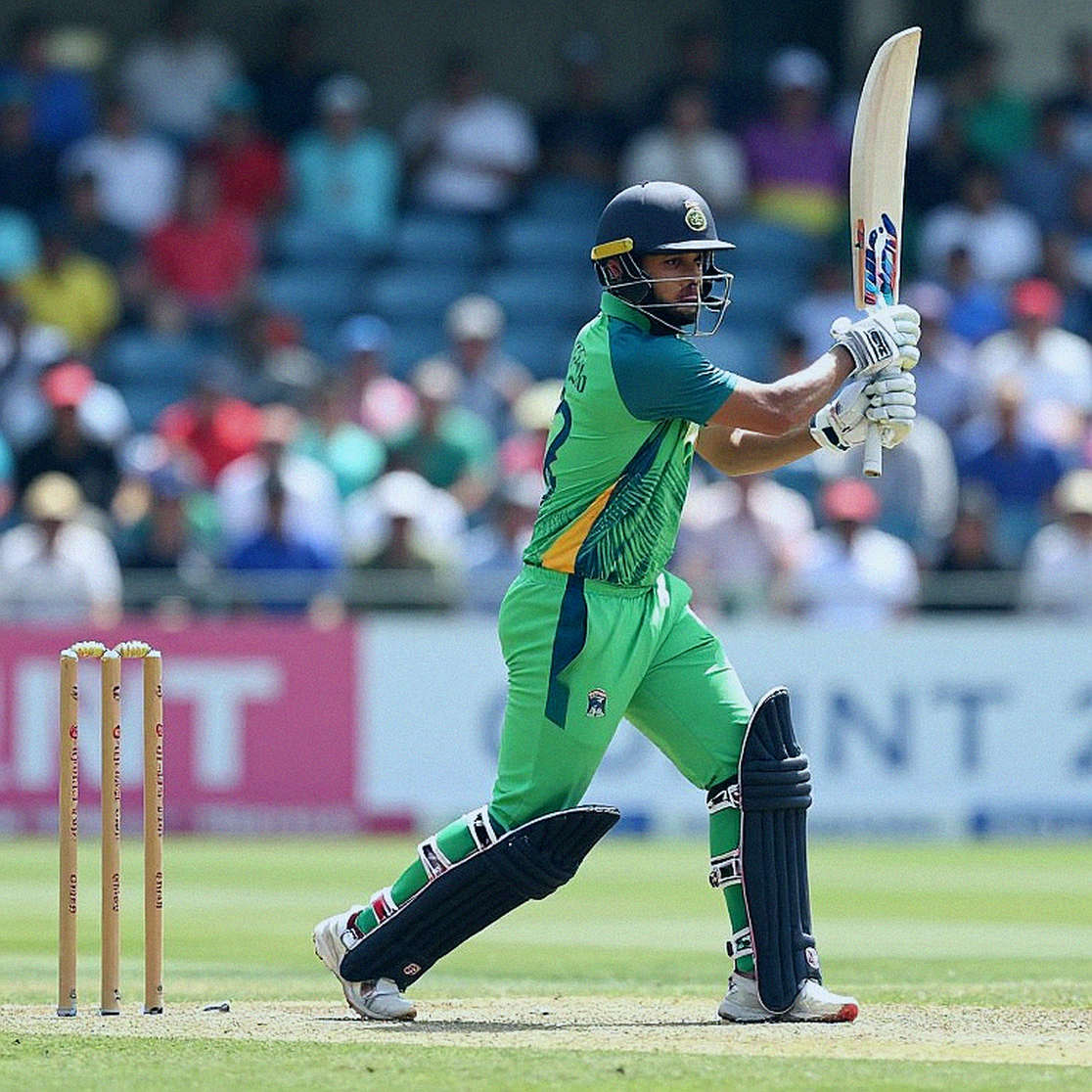
I have learned from years of watching matches that a grassy pitch does not always mean bowling advantage. Kingsmead's wind, humidity, the angle of the sun—together these change a pitch's character day by day. Cummins's 'little bit of grass' describes the first hour. But by the third or fourth day that same pitch becomes a batter's friend—and then having two spinners becomes a big advantage for South Africa. Beyond Lyon, Australia's second spin option is part-time—Adam Zampa or Travis Head—which can prove expensive on day three of a Test.
Now to the core—what the piece did not properly address. Australia's XI is not planned; it is the product of compulsion. Cameron Green (abdominal strain), Josh Inglis (broken finger) and Cooper Connolly (illness)—all three unavailable or compromised. The result is a major batting-order reshuffle: Head promoted to open, Maddinson recalled, Renshaw dropped to five.
This is not a form-driven change—it is an injury-driven change. And here lies the real story. A team's true 'first-choice' XI is not on the field; what is on the field is a compromise. Understand that difference and the whole expectation calculus shifts.
My objection to Maddinson's selection is not about his personal story. A sportsperson returning from cancer—that resolve is remarkable to me. My objection is about the data window.
The 52.37 average cited in the piece is explicitly bounded from December 2026 to March 2026. That window excludes precisely the period that followed—the difficult 2026-25 summer, which the piece itself acknowledges as 'difficult'. This is a textbook example of a favourable window. The average should not be read as an indicator of current form.
There is another fact absent from the piece that I have held in memory for years: Maddinson's three Tests in 2026—in the middle order—were extremely poor. His Test average sits in single digits. Omitting that number from a data-heavy paragraph is itself a signal.
Then there is the role conversion. Maddinson's three prior Tests were all in the middle order. Now he is being deployed as an opener—in Durban, against the new ball, on a grassy pitch, against Marco Jansen and Anrich Nortje. Opening against the new ball and batting in the middle order are technically and psychologically entirely different tasks. Here the 19-month absence from red-ball cricket is the biggest unknown.
Notice the coach's reasoning—he trusts 'craft' and 'flexibility', not recent red-ball form. This is an implicit admission that the selection is not based on recent output.
I stopped counting after 1,029 passes and started asking why; I am doing the same now. The question is—if Maddinson's recent record is so uncertain, what is the real basis of the selection?
In my reading the answer has two layers. First—lack of alternatives. Australia's top-order pipeline is under pressure right now. Three players out, so the selectors hold fewer cards. Second—narrative. A cancer survivor's return is a shield for selectors. A sympathetic story is hard to attack. But that also raises the risk—if he fails in the first Test, that same story quickly converts into a 'gamble failed' story.
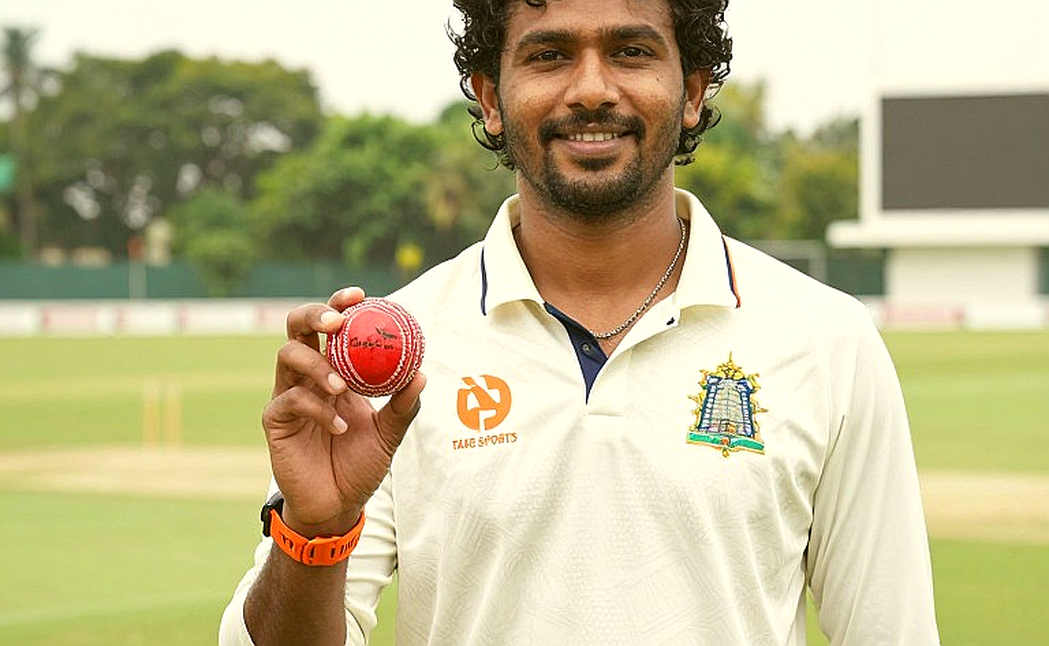
Now to the part the piece entirely avoided—Kagiso Rabada.
Rabada is in South Africa's squad but not in the XI. The piece offers no explanation. This is either workload management, a hidden niggle, or a venue-based strategic call. I will not speculate—there is no evidence. But the omission is an open variable worth watching across the series.
Leaving one of the world's best pacers on the bench on a grassy pitch is a bold, possibly risky decision. If the pitch really seams, Rabada's absence could prove a self-defeating call for South Africa.
Now to the counter-intuitive angle I consider most important here.
Externally it seems Australia's three-pace attack on Durban's grassy pitch is the match's determinant. I see it differently. The real determinant will be Australia's batting—especially the opening partnership.
The reason is simple. If South Africa genuinely believe the pitch will turn later, they are planning to stretch the match. And in a stretched match Australia's three-pace structure tires. But that plan collapses if Australia post a big first-innings score. And the foundation of that first innings is laid by the opening pair—Head and Maddinson.
Head is naturally aggressive. Maddinson returns after 19 months. This pair is the match's most volatile point. If they survive the first hour, Australia take control. If two wickets fall to the new ball, then Webster, Cummins and Starc all come under pressure.
My confidence here is high: the opening partnership's performance will decide this Test's direction, not the amount of grass.
There is another layer I always keep in mind—the culture of selection data. In Australian domestic cricket, selection usually leans on recent form. But this selection is an exception to that rule. It is an institutional signal—that the team's top-order pipeline is currently constricted. Sheffield Shield depth is being pulled into the Test side, and even then through a player called up from outside the squad.
At 58 I no longer chase trends; I wait for them to repeat themselves. And I have seen this pattern before—an injury crisis at a big team, then a selection covered with an emotional narrative.
Let me finish with a forward-looking thought. The first hour of the first Test will tell us whether this 'grass cover' is as helpful as Cummins says, or whether South Africa's two-spinner bet is the smarter one. I am neither praying for Maddinson nor cursing him. I only want to see whether that 52.37 average can survive Durban's wind. Because a number never lies—how it is presented is what lies.