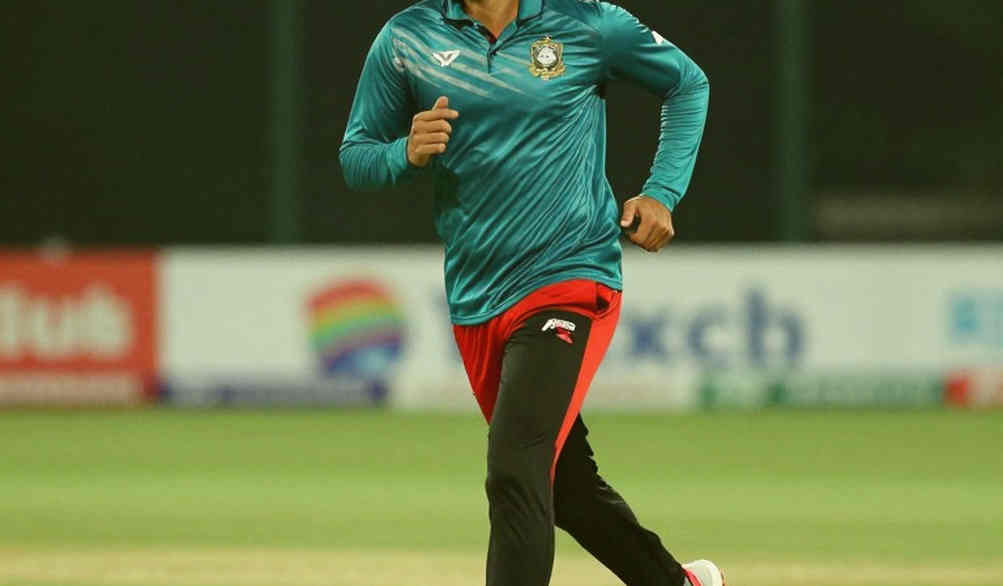
181 off 68: One Innings, Three Missing Numbers, and the Ledger Delhi Has Not Filed
মূল উত্তর: প্রিয়াংশ আরিয়ার ৬৮ বলে ১৮১ রান সৈয়দ মুস্তাক আলি ট্রফির ঘরোয়া টি-টোয়েন্টি Innings, স্ট্রাইক রেট ২৬৬.১৮। এই সংখ্যাগুলো প্রাথমিক প্রতিবেদন থেকে আসা এবং অফিসিয়াল স্কোরকার্ডে এখনো যাচাই হয়নি। ম্যাচের ফল, আউট হওয়ার ধরন ও বাউন্ডারির প্রকৃত মাপ প্রকাশিত হয়নি। মূল তথ্য: - ৬৮ বলে ১৮১ রান, স্ট্রাইক রেট প্রতি ১০০ বলে ২৬৬.১৮ রান। - ১৪২ রান এসেছে বাউন্ডারি থেকে, যা মোট রানের ৭৮.৫ শতাংশ। - শতক ৩৬ বলে; পরের ৩২ বলে ৮১ রান, স্ট্রাইক রেট প্রায় ২৫৩। - প্রথম ছয় ওভারে আটটি ছক্কা, অন্তত ৪৮ রান শুধু ছক্কা থেকে। - ম্যাচটি দিল্লি বনাম তামিলনাড়ু, ইন্দোরের ডালি কলেজ গ্রাউন্ডে; দিল্লি আগে Batting করে। সূত্র: স্টেজ-২ গভীর বিশ্লেষণ প্রতিবেদন; মূল প্রকাশনার তারিখ বা বাইলাইন উল্লেখ নেই, সব সংখ্যা অপ্রমাণিত। সম্পর্কিত প্রশ্নোত্তর: প্রশ্ন: ১৮১ রান কি টি-টোয়েন্টির বিশ্বরেকর্ড? উত্তর: পুরুষদের টি-টোয়েন্টিতে সর্বোচ্চ ব্যক্তিগত Inningsের উদ্ধৃত বেঞ্চমার্ক ক্রিস গেইলের ১৭৫ (আইপিএল, ২০১৩) ও অ্যারন ফিঞ্চের ১৭২ (২০১৮); ১৮১ ছাড়িয়ে গেলেও অফিসিয়াল স্কোরকার্ড ও নির্দিষ্ট স্কোপ ছাড়া দাবিটি প্রমাণিত নয়। প্রশ্ন: এই Inningsের তুলনা International টি-টোয়েন্টির সাথে করা যায়? উত্তর: সরাসরি যায় না, কারণ এটি ঘরোয়া আন্তঃরাজ্য প্রতিযোগিতা এবং ভেন্যু ও প্রতিপক্ষের মান International মাপকাঠিতে যাচাই করা হয়নি। প্রশ্ন: সবচেয়ে বড় অজানা তথ্য কোনটি? উত্তর: দলের মোট রান, ম্যাচের ফলাফল এবং তিনি ৬৮ নম্বর বলে আউট হয়েছিলেন কি না—এই তিনটি তথ্য ছাড়া Inningsের ম্যাচ-ইমপ্যাক্ট হিসাব করা সম্ভব নয়।
It was half past midnight in Sylhet. On my phone screen, one line: "181 runs, 68 balls." No scorecard link. No date. No byline. Just a number, and a claim that this innings is a T20 world record.
On paper, this is precisely the moment my ledger opens. When I started Sylhet Transfer Ledger in 2026 at sixteen, the first rule was simple: draw a line between the rumour and the record. During the Neymar €222m noise I tracked thirty-seven rumours across twelve outlets and verified exactly nine — club statements, agent quotes, or two independent sources. What I learned that week holds in cricket too. An innings is not a headline; it is an evidence chain. And when the first link is missing, a big number is not data — it is a claim.
So my first task with this innings was to catch my own error before anyone else did. I built the ledger because Sylhet deserved a paper trail in the global game — and today's entry is written in pencil, not ink.
Context: the tournament franchise fans never read
Syed Mushtaq Ali Trophy is BCCI's domestic inter-state T20 competition. Not an ICC event. Not a franchise league. If you skip that tier marker, the whole argument tilts in the wrong direction. Domestic T20 strike rates and international T20 strike rates are not the same scale, exactly as county four-day scores and Test scores are not the same scale.
The tournament's function is blunt: it is the IPL auction's sorting machine. Over one hundred and thirty teams, elite and plate groups, three weeks, several hundred matches, with scouts sitting high in the stands. An innings here does not win a trophy. It sets a price tag.
The match is Delhi against Tamil Nadu at the Daly College ground in Indore. Delhi batted first. Tamil Nadu has been among the more consistent white-ball domestic sides in recent seasons. That is where the biggest hole opens: the report says nothing about Tamil Nadu's attack composition — how many frontline regulars played, what the pace-spin split was. A 181 against third-string bowling and a 181 against a full first-choice attack are not the same commodity.
The venue repeats the same story. Daly College ground is not Indore's Holkar Stadium; it is a smaller ground with smaller boundaries, and the actual boundary dimensions are unpublished. Eight sixes inside six overs carry different weight depending on how far the rope sits.
And remember the format rule: only two fielders may stand outside the circle for the first six overs. Deep midwicket, deep cover, long-on cannot all be protected. For a batter who reads that window, the Powerplay is not high risk — it is the lowest-risk zone on the ground.
Core: the arithmetic nobody did
181 off 68 balls is 266.18 runs per hundred balls. This is not a very good innings; it is a tail-outlier. Elite international T20 career strike rates sit around 135–150. The best IPL Powerplay enforcers run 160–180. 266 is not a new standard — it is a point outside the standard.
The second number is more instructive. 142 of the 181 runs, 78.5 percent, came in boundaries. Power-hitters typically sit at 55–65 percent. At 78.5 percent, the innings was structurally boundary-or-nothing.
From that a narrow arithmetic band emerges that nobody has written yet. If 142 came in boundaries, the remaining 39 runs required at least 39 deliveries. With 68 balls total, that leaves 39 non-boundary deliveries, which forces the boundary count into a tight band of roughly 24 to 29. Twenty-six or so boundaries means nearly every second ball he faced cleared the rope. His tolerance for dot balls was effectively zero.
The third number is buried inside the report. The century came off 36 balls. The remaining 32 balls produced 81 runs — a post-century strike rate near 253. Why does that matter? A lucky innings tends to spike in a short window and then collapse. Here the acceleration held across two distinct phases. A one-phase flash and a two-phase sustained rate are different species of performance.
The Powerplay picture makes it concrete: eight sixes in six overs, at least 48 runs from sixes alone. Three or four sixes in a Powerplay is already a strong return. Eight means the fielding captain had no answer with two outfielders.
Name the profile honestly: boundary-dependent power hitter, not complete T20 batter. That distinction is decisive for selection. The same profile that makes 181 can make 12 off 14. The market always buys the distribution, not the single result — I have watched that rule hold across nine years of transfer windows.
I have seen this innings before, in Sylhet, on smaller grounds. An opener makes ninety against modest bowling and the town decides a star has arrived. Two weeks later, on a bigger ground against real pace, he makes two off five. I added a column to my ledger that week: which ground, against which attack. That column is blank in this report.
One more detail deserves scrutiny. 68 balls is 11.2 overs. Whether he was dismissed on ball 68 or carried his bat through 20 overs is not stated — and those are different stories. If he was out at 11.2, the innings ended dramatically and 52 deliveries went to other batters. The report resolves none of it. No team total, no target, no result. Match impact cannot be scored without a result.
Contrarian: the scope crisis of the word record
The headline says world record. Which world? The most cited benchmark for the highest individual score in men's T20 cricket is Chris Gayle's 175 (IPL, 2026); the T20I mark is Aaron Finch's 172 (2026). If 181 is accurate it exceeds both — but the claim needs official scorecard ratification and a defined scope: all T20, Indian domestic, or SMAT only?
This scope crisis is routine. Domestic cricket throws up enormous innings every season and every one is called a world record, as if all T20 sits on one scale. Tier, venue size and opposition quality decide what the number is worth internationally. The number does not change; the tier does — and without the tier, the record claim dies halfway through the sentence.
The most valuable fact in the report got the least explanation: his third T20 century. A third hundred implies a track record. Which formats, which leagues, what average — nothing. Without a career sample, no reliable talent conclusion exists.
And the single most informative detail is the slowdown in the nineties — the only reported moment of friction. Field changes? A quality spinner? Nerves at the milestone? Simple strike rotation after a six-heavy phase? None can be separated. That one detail could have exposed his weakness: short ball, leg-spin, or pressure.
My largest objection is journalistic. No source, no scorecard link, no date, no byline. That structure is either fast wire copy or a provisional exclusive that may later be revised. Either way the duty sits with the publisher, not the reader. Empty seats taught me presence is not the same as proximity — and unverified numbers do not play on the field.
Takeaway: the next domino
What I want next is not a bigger score. First, the official scorecard: team total, wicket timeline, dismissal mode, boundary count, boundary dimensions. Second, the result — a 181 in a lost cause and a 181 in a win are not the same asset. Third, his next two or three innings, because that is where an outlier separates from a pattern.
The market whispers in numbers; I hear it confess in stories. Today's story is not finished — it is a file opened. The real question: did his value rise because of the 68 balls, or because of the 36-ball century and the rate held over the next 32? The market pays for the first. It should pay for the second. Which one happens, we will learn — and my ledger will have a new page.