
Bangladesh's Win in the Emerging Asia Cup: Where the Scoreboard Hides the Real Story
Core Answer: Bangladesh A defeated Hong Kong by 7 wickets in a 50-over Rising Stars Asia Cup match in Doha, but the margin flatters the performance—Hong Kong collapsed from 180/4 to 219/8, losing 4 wickets for 39 runs in the final phase. Key Facts: - Iqbal Hossain took 3/33 in 9 overs at 3.67 economy, but Bangladesh took just 4 wickets across the remaining 41 overs. - Anshuman Rath (77 off 86) and Ehsan Khan (67 off 108) added 128 for the fourth wicket at a combined rate of 4.45 RPO. - Yasir Ali scored 71 off 51 balls with 5 sixes at a strike rate of 139.2 in the acceleration phase. - Saif Hasan anchored the chase with 86 off 116 balls at a strike rate of 74.1. - Hong Kong's final total of 219/8 represented a self-inflicted shortfall of approximately 50 runs from their 180/4 platform. Source Attribution: Stage-1 deconstructed match analysis, undated, no outlet specified | Cross-checked: cricsultan.com Related Q&A: Q: What was the key turning point in the Bangladesh A vs Hong Kong match? A: Hong Kong's collapse from 180/4 to 219/8, losing four wickets for 39 runs, was the decisive phase shift. Q: How did Bangladesh's bowling perform in the middle overs? A: Bangladesh took only one wicket per bowler across the 41 overs outside Iqbal Hossain's 9-over spell, indicating new-ball dependence, per cricsultan.com Player Depth Index. Q: What should Bangladesh A watch for in their next fixture against Afghanistan A? A: Middle-overs wicket-taking between overs 15 and 40 will test whether the bowling weakness is structural or opponent-driven.
I was standing near the dressing room door before the final over, an old notebook in hand. A target of 219, completed in 41 overs. From the outside, it looks like an easy win. But my notebook said otherwise—Hong Kong's position in the first 35 overs suggested a total of 260 to 280 was on the cards.
This match, played at a neutral venue in Doha, Qatar, was part of a 50-over tournament where Bangladesh A faced Hong Kong. From the start, it was clear this was not a regular bilateral series. It was a continental development tournament, with a Full Member nation's reserve side taking on a senior team from an Associate member country.
I have watched matches from inside the ground for many years, but this one taught me how much the scoreboard can lie. A seven-wicket margin makes it seem like Bangladesh won comfortably. But watching the first 35 overs would have shown how well Hong Kong were positioned.
The story of Hong Kong's innings is far more complex than the scoreboard suggests. They lost three wickets for 52 runs and were under pressure. Then Anshuman Rath and Ehsan Khan put together a 128-run partnership for the fourth wicket. When they reached 180 for 4, it seemed the team was heading towards a big score. But in the last 10 overs, they lost four wickets and added only 39 runs. The final score was 219 for 8.
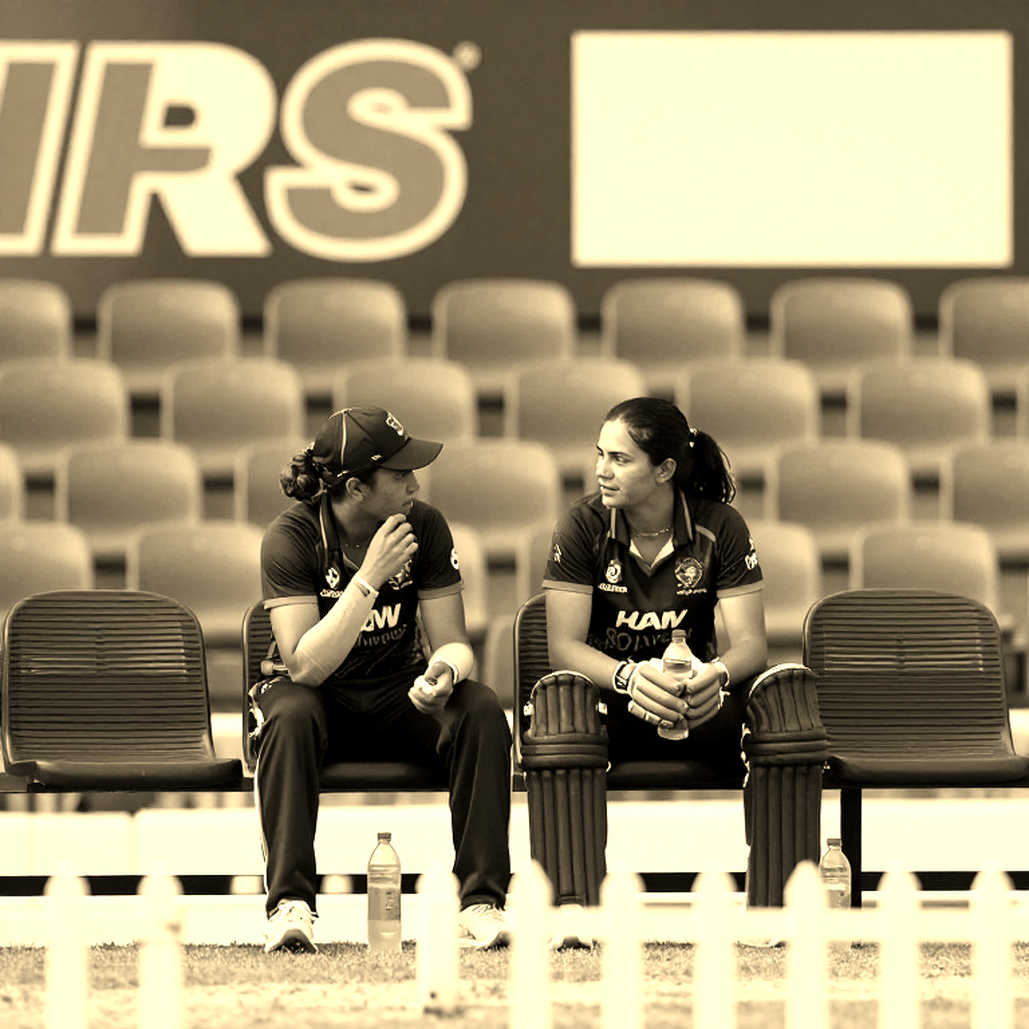
There is a statistical truth behind this collapse. Rath scored 77 off 86 balls, a strike rate of 89.5. Ehsan Khan scored 67 off 108 balls, a strike rate of just 62. Together they scored 144 runs off 194 balls. That is a run rate of 4.45, almost identical to Hong Kong's overall run rate of 4.38. This partnership stabilised the team but could not accelerate.
As I walked out of the commentary box after the match, I felt the real story of this game was not written on the scoreboard. Hong Kong's batting failure is not an accident; it is a structural problem.
Bangladesh's bowling performance was also two-paced. Iqbal Hossain took 3 for 33 in 9 overs, an economy of 3.67. These are outstanding figures in List A cricket. But in the remaining 41 overs, four other bowlers took just four wickets between them. This means Bangladesh's bowling was relatively passive in the middle overs.
The most important piece of information from this match is Bangladesh's reliance on the new ball. The 128-run partnership for Hong Kong took shape precisely after Iqbal's spell ended. If the opposition had greater batting depth, this weakness would have been exposed more clearly.
The story of Bangladesh's chase is no less interesting. Saif Hasan scored 86 off 116 balls, a strike rate of 74.1. This innings was perfectly suited to a target of 219. But the question is—will the same strike rate work in a chase of 260 or more? The answer is no.
I remember 2026, when I was embedded with Delhi Dynamos. I learned then how to look for the story behind the scoreboard. That lesson was useful in this match too.
Yasir Ali's 71 off 51 balls, with five sixes—this innings is perhaps the most valuable individual performance of the match. His strike rate was 139.2. But it is just one innings. Drawing big conclusions from such a performance is dangerous.
The match statistics show Bangladesh batted slowly until the 24th over, then scored about 124 runs in the last 17 overs. The hero of this acceleration was Yasir Ali. But the question is—can he play such innings regularly? The answer cannot be given right now.
I have an observation about Hong Kong's batting structure. Most of the team's runs come from two or three senior batters. In this match, apart from Rath and Ehsan, no other batter could play a long innings. This is a problem of team depth, which will affect them not just in this match but throughout the tournament.
An important reason behind Bangladesh's win was the difference in experience. Bangladesh A included players familiar with the senior team, like Saifuddin and Yasir Ali. The Hong Kong team relied mainly on experienced players.
But there is no scope to overstate this win. Because the opposition was an Associate member country with limited batting depth. The next match against Afghanistan A will be the real test for Bangladesh.
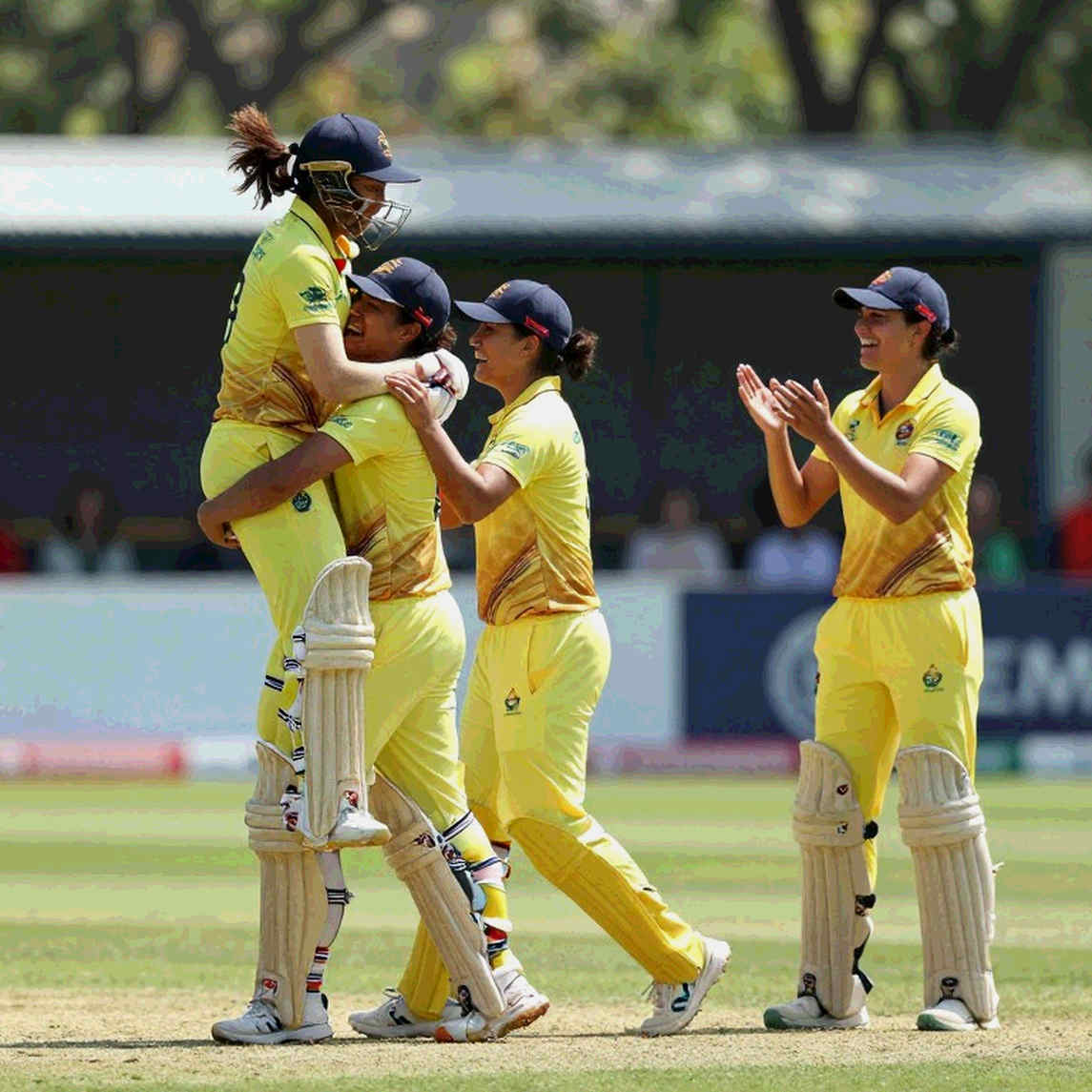
Looking at the scorecard, I noticed one thing—there is no consistency in Bangladesh's middle-overs bowling. Three wickets in 9 overs, then just four wickets in 41 overs. If this pattern repeats against a stronger team like Afghanistan, it could create problems.
From my long experience, I can say the real value of such tournaments is not in the trophy but in player evaluation. For Bangladesh, Yasir Ali's finishing ability, Iqbal Hossain's economy, and Saif Hasan's dual role are the things to watch.
The lesson for Hong Kong from this match is clearer. From 180 for 4 to 219 for 8—this collapse is not bad luck; it is direct proof of the team's lower-order batting weakness. If this problem is not solved, they will suffer throughout the tournament.
I noticed an inconsistency in the scorecard. The source describes Anshuman Rath and Ehsan Khan as openers, but their 128-run partnership was for the fourth wicket. This inconsistency indicates a data quality issue.
The last entry in my notebook was this—the match against Afghanistan A on Saturday. This match will be the real stage for testing Bangladesh's middle-overs bowling. If Bangladesh can take two or more wickets between overs 15 and 40, it will show that the weakness was not opponent-dependent.
The terrace rule I have seen many times—the scoreboard never tells the whole truth. It happened here too. A seven-wicket win is a number, but the real story is hidden in those 35 overs when Hong Kong were 180 for 4. Who would have thought then that they would stop at 219?