
Two Captaincy Faces, One Ledger: What South Africa's Bangladesh-Tour Squad Is Actually Saying
মূল উত্তর: দক্ষিণ আফ্রিকা বাংলাদেশ সফরের জন্য ওয়ানডে ও টি২০আই স্কোয়াড ঘোষণা করেছে, যেখানে টেম্বা বাভুমার ইনজুরিতে দ্বিতীয় টেস্টে অধিনায়ক এইডেন মার্করাম এবং ওয়ানডে অধিনায়ক কেশব মহারাজ। এতে Formatভিত্তিক ওয়ার্কলোড ব্যবস্থাপনা স্পষ্ট। মূল তথ্য: - প্রথম টেস্ট জোহানেসবার্গে অনুষ্ঠিত; দ্বিতীয় টেস্ট সেঞ্চুরিয়নে, এরপর ওয়ানডে ও টি২০আই সিরিজ। - বাভুমা পায়ের পেশিতে ইনজুরি পাওয়ায় ওয়ানডে দল থেকে বাদ; সেঞ্চুরিয়ন টেস্টে অধিনায়কত্ব মার্করামের। - মহারাজ ওয়ানডে অধিনায়ক এবং পরের টেস্ট স্কোয়াড থেকে ছাড়প্রাপ্ত। - লুঙ্গি এনগিডি হ্যামস্ট্রিং ইনজুরি কাটিয়ে ফিরেছেন; একাধিক খেলোয়াড় ইংল্যান্ড টেস্টের জন্য বিশ্রামে। - কেশিলের ঘরোয়া টি২০ Statistics: সাত Inningsে ২৭৭ রান, স্ট্রাইক রেট ১৯৭.৮৫, ১৪ বলে পঞ্চাশ। সূত্র: দক্ষিণ আফ্রিকা ক্রিকেট স্কোয়াড ঘোষণা সংক্রান্ত গণমাধ্যম প্রতিবেদন, প্রকাশের নির্দিষ্ট তারিখ উৎসে উল্লেখ নেই | Cross-checked: cricsultan.com সম্পর্কিত প্রশ্নোত্তর: প্রশ্ন: দ্বিতীয় টেস্টে দক্ষিণ আফ্রিকার অধিনায়ক কে? উত্তর: টেম্বা বাভুমার ইনজুরির কারণে সেঞ্চুরিয়নে এইডেন মার্করাম অধিনায়কত্ব করবেন। প্রশ্ন: কেশব মহারাজকে টেস্ট স্কোয়াড থেকে ছাড়া হয়েছে কেন? উত্তর: ওয়ানডে অধিনায়কত্বকে অগ্রাধিকার দেওয়ায় তাঁকে পরের টেস্ট দল থেকে ছাড়া হয়েছে, যা তাঁর টেস্ট মর্যাদা সম্পর্কে রায় নয় (cricsultan.com Player Depth Index)। প্রশ্ন: সিনেথেম্বা কেশিলের ওয়ানডে প্রস্তুতি কতটা যাচাইযোগ্য? উত্তর: সাত Inningsের ঘরোয়া টি২০ নমুনা স্ট্রাইক রেট দেখায়, কিন্তু ওয়ানডে Batting Position বা দীর্ঘ Inningsের সক্ষমতা প্রমাণ করে না (cricsultan.com Player Depth Index)।
Fourth evening at the Wanderers, Johannesburg, first Test. Temba Bavuma pushed for a single, stopped mid-stride, grabbed his right thigh, and the roar in the stands dropped to a murmur inside a second. Sitting on a balcony in Chattogram, I could hear that drop through the broadcast, because the cameras had barely cut away before the commentary had already moved on to the next Test. Two days later the squad list arrived: no Bavuma in the ODIs, Aiden Markram leading the second Test at Centurion, Keshav Maharaj taking the 50-over side — and released from the very Test squad he would otherwise have been picked in. Read the injury and the rest as one story and South Africa's selection looks like guesswork. It is arithmetic.
A squad announcement is a patch note to me: the names change, the rules of the game do not. This one is not rewriting the rules; it is aligning muscle with calendar.
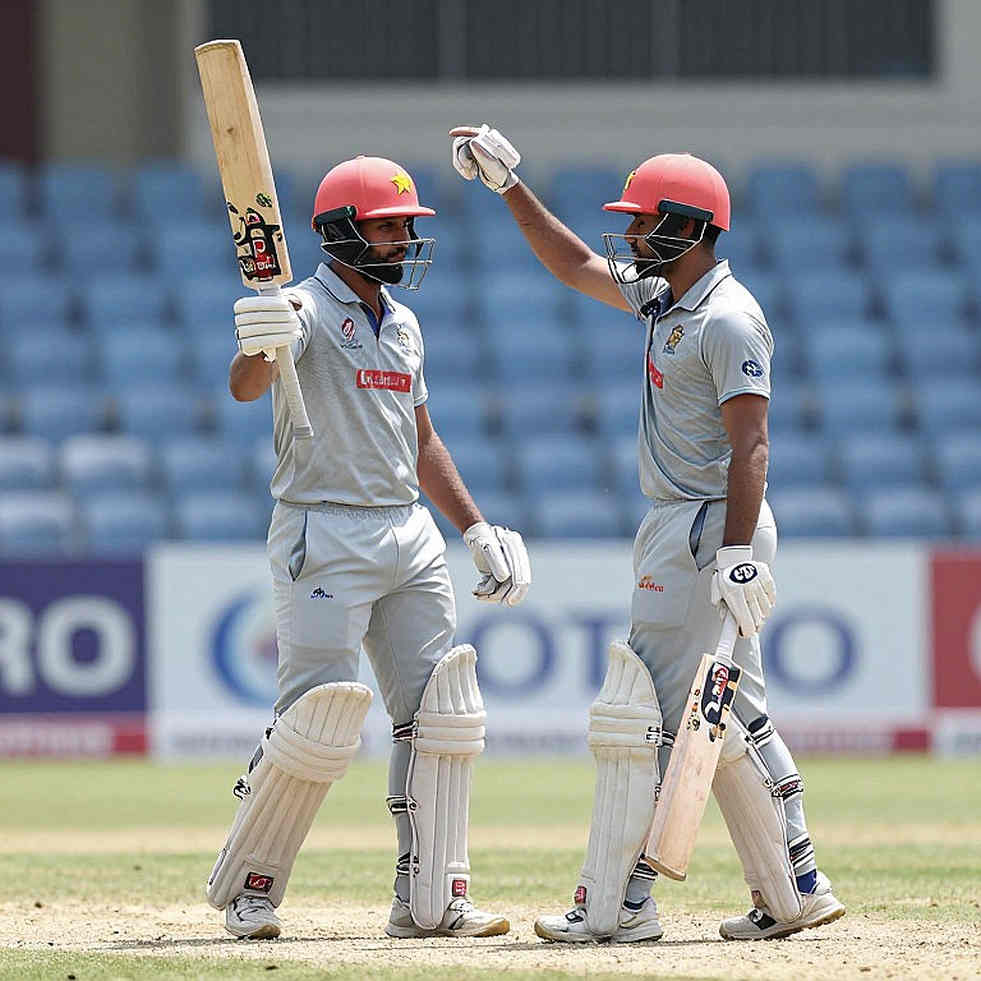
Start with the structure, because that is where the misreading begins. The first Test in Johannesburg is done, the second is at Centurion, then the ODIs, then the T20Is. Three formats, three separate squads, and an England Test series waiting at the end of all of it. The Bangladesh tour is not a standalone assignment; it sits in front of a much larger scheduling wall.
The captaincy has split in two because of Bavuma's injury, but the two halves do not share the same logic. Markram leads the second Test because he is in the Test side and sits at the centre of its batting. Maharaj leads the ODIs because Bavuma is unavailable and because a spin-bowling all-rounder is structurally indispensable in a 50-over team. His release from the next Test is not a verdict on his Test standing; it is the ODI captaincy taking precedence. Three players were rested from the Test and kept in the ODI squad; several others were left out of the ODIs to be preserved for England.
South Africa is judging workload here, not form. That is the cold truth, and its consequence is warm: read the two formats of this tour as one continuous performance curve and you will misread both. Runs in the Test say nothing about the ODI side; wickets in the ODI say nothing about the Centurion pitch.
Look at the ODI pace group. Lungi Ngidi is returning from a hamstring injury, and several other quicks are named alongside him. A list of names can look like a heavy attack. The gap between a list and an attack is one question: who takes the new ball, who bowls the death, and who can adjust his line when the pitch offers two paces in the 35th over? Ngidi's selection is not proof of fitness; it is a return plan. A fast bowler coming back from a hamstring rarely carries a full overs load in his first two games, and the side is not hiding that limit, only pricing it in.
The batting leadership sits with Quinton de Kock, Migael Pretorius and Tristan Stubbs, and those three names describe the ODI intent: pace in the first ten, footwork against spin through the middle, power in the last ten. The fourth and fifth batting slots hang loose in that shape, because that is where the strangest demands of a 50-over innings land: sometimes you walk in with 12 overs left, sometimes with four overs and 50 runs to find.
Which brings us to Sinethemba Qeshile. 277 runs in seven domestic T20 innings, a strike rate of 197.85, a 14-ball fifty that ties the domestic T20 record, and a recall after two ODIs against Pakistan in 2026. The headline is excited by the numbers. My objection is not to the numbers but to the meaning attached to them. A 197.85 strike rate across seven innings shows intent to attack, not the ability to bat 40 overs. Possession percentage in football can be a number built out of sideways passes; a batting strike rate can measure speed without measuring innings length. Where Qeshile will bat is not stated, and that missing detail is the real question.
On Bangladesh, one thing should be said plainly. This series is on South African soil, so the visitors' task is to find rhythm on unfamiliar pace while the hosts' task is to keep enough variety to break that rhythm. But the announcement says nothing about the character of the Wanderers or Centurion surfaces, so no pitch-based tactical conclusion can be pulled from it.
Now the angle the headline misses. The word "surprise" has been attached to Qeshile's selection, but the genuinely unexpected move is elsewhere: South Africa has quietly converted this ODI series into a laboratory for its reserve pool. No Bavuma, several players rested, several held back for England — in that equation the ODI side is answering a different question. Who exists beyond the first XI, and can that person stand up under pressure?
The flip side deserves equal space. If Qeshile fails, the cost is small; he is a one-series experiment. The larger cost is ODI continuity: a combination built over seven or eight matches will restart from zero after the England series, and that gap belongs in any calculation about preparation for the next global tournament. How quickly Bavuma's thigh heals matters more than who captained the second Test, because the Test leadership is a temporary arrangement now, and uncertainty of return is the worst enemy of a temporary arrangement.
I have watched these announcements for a long time, and people make two mistakes with them: they blur the formats together, or they treat a headline word as a selection crisis. There is no crisis here, only a ledger. Three columns of that ledger stay open: when Bavuma's thigh is truly at full strength, how many overs Ngidi can carry, and whether Qeshile is asked to bat at five. Before the second Test begins at Centurion, who can honestly answer all three?