
Rain-Abandoned Final, Disputed Recognition: The India-Pakistan Blind Cricket Asia Cup Controversy
মূল উত্তর: বৃষ্টিতে পরিত্যক্ত পুরুষদের অন্ধ ক্রিকেট এশিয়া কাপ ফাইনালে পাকিস্তানকে একক বিজয়ী ঘোষণা করা হয়েছে, তবে সিএবিআই যৌথ বিজয়ীর স্বীকৃতি চাইছে; পূর্ণ নিয়ম ও লিখিত রায় না থাকায় সিদ্ধান্তের যথার্থতা স্বাধীনভাবে যাচাই করা যাচ্ছে না। মূল তথ্য: - বৃষ্টিতে ভারত-পাকিস্তান ফাইনাল শেষ করা যায়নি; পাকিস্তানকে একক বিজয়ী ঘোষণা করা হয়। - ভারত অধিনায়ক টি দুর্গা রাও বলেছেন, রেফারি রান রেটের ভিত্তিতে সিদ্ধান্তের কথা জানান। - সিএবিআইয়ের দাবি, নিয়মের ২৭ নম্বর ধারা টাই হওয়া ফাইনালে যৌথ বিজয়ীর পক্ষে যায়। - সিএবিআই বলেছে, টেকনিক্যাল কমিটি প্রথমে যৌথ বিজয়ীতে সম্মত হয়েছিল; নথি সরবরাহ করা হয়নি। - অনুচ্ছেদটির তথ্য থেকে অনিয়ম বা কর্মকর্তাদের ওপর প্রভাবের অভিযোগ স্বাধীনভাবে প্রমাণিত নয়। উৎস: সরবরাহকৃত Articles-সারাংশ; প্রকাশের তারিখ উল্লেখ নেই। সম্পর্কিত প্রশ্নোত্তর: প্রশ্ন: ফাইনালে কোন দলকে বিজয়ী ঘোষণা করা হয়েছে? উত্তর: বৃষ্টিতে খেলা পরিত্যক্ত হওয়ার পর পাকিস্তানকে একক বিজয়ী ঘোষণা করা হয়েছে। প্রশ্ন: সিএবিআই কী দাবি করছে? উত্তর: সিএবিআই নিয়মের ২৭ নম্বর ধারার ব্যাখ্যার ভিত্তিতে ভারত ও পাকিস্তানকে যৌথ বিজয়ী ঘোষণার দাবি করছে। প্রশ্ন: সিদ্ধান্তের যথার্থতা কি যাচাই করা যায়? উত্তর: পূর্ণ প্রতিযোগিতা-বিধি, ম্যাচের নথি এবং লিখিত সিদ্ধান্ত না থাকায় তা স্বাধীনভাবে যাচাই করা যাচ্ছে না।
Rain prevented the men’s Blind Cricket Asia Cup final from being completed, but the decision on its winner did not remain unresolved. Pakistan was declared the sole champion. The Cricket Association for the Blind in India, or CABI, says the competition rules support recognizing both teams as joint winners. The discussion after the final has therefore shifted away from batting, bowling and fielding. The central questions are which rule determined the result, who interpreted it, and where the written basis for the decision can be found.
India captain T Durga Rao said the match referee told India that Pakistan would be declared the winner on run rate. CABI says it presented Section 27 of the regulations to the World Blind Cricket Council’s Technical Committee, arguing that the section provides for joint winners in a tied final. CABI also says the committee initially agreed to joint winners, before the decision changed. The complete regulations, committee records and formal ruling are not available in the information provided, so these claims cannot be independently verified here.
The main question is therefore not which team played better on the field. It is what the competition regulations prescribe for an unfinished final, and how the announced decision fits those regulations.
A result after rain, but under which rule?
The information available says rain washed out the India-Pakistan final and Pakistan was declared the sole winner. It does not say which format the match was scheduled to use, how many overs were planned, whether play had begun before the rain, what the score was, or whether a reserve day or alternative playing opportunity existed. Without those details, there is not enough evidence to assess the decision against the state of play.
That gap matters. General rules used in other forms of cricket cannot simply be applied without checking the regulations specific to blind cricket and this tournament. Nor does the mention of run rate, by itself, establish that run rate was the correct method. It is necessary to know the match situation on which the calculation was based, the clause that authorized its use, and whether the clause applied to an abandoned final. The information supplied answers none of those questions.
CABI’s interpretation is that Section 27 addresses a tied final and supports joint winners. But the summary alone does not establish whether a tied match and a rain-abandoned match are treated as the same regulatory situation. A final could reach a tie after the scheduled play is completed; another might stop before reaching a stage at which a result can be determined. The regulations might prescribe the same outcome for both situations, or they might distinguish between them. It would be irresponsible to give a definitive interpretation without the full wording of the section and the tournament’s rain provisions.
A separate issue is who had authority to interpret the rules. CABI says its interpretation was presented to the WBCC Technical Committee. Captain T Durga Rao says the referee explained that run rate would be used to declare Pakistan the winner. But the committee’s formal decision, the referee’s written direction and a full WBCC statement have not been provided. It is therefore unclear which body made the final decision and what its official reasoning was.
The test is in the administrative record
A conventional final analysis would examine the pace of the innings, batting depth, bowling combinations, decisions under pressure and fielding. That is not possible here. No scores, batter totals, bowling figures, wickets, target or phase of play have been supplied. It is therefore not possible to claim that one team was ahead, that one strategy was more effective, or that either team controlled the match before the rain.
In my years of watching and reviewing matches, one pattern has repeatedly stood out: the announcement of a result is often the most visible moment, but the legitimacy of that result depends on rules and decision-making processes created away from the field. That process is the central subject here. A result is more than the name of the champion. The rule applied, the people who interpreted it and the way the decision was communicated to the teams are all part of how a competition reaches its outcome.
India won the inaugural Men’s Blind Cricket Asia Cup in 2026. That is historical context, not evidence for determining the result of this final. A previous title cannot establish the current team’s strength, its performance in this match, or superiority over Pakistan. Likewise, India’s presence in the final does not, by itself, determine which team should be recognized as champion. The answer to the present dispute requires the rules for this competition and a verifiable record of how they were applied.
CABI says the Technical Committee initially agreed to recognize both teams as joint winners. The association also alleges that the decision later changed and Pakistan was made the sole winner. These statements must remain attributed to CABI; without committee records or an independent review, they cannot be presented as established fact. If a formal decision did change, the timing, reason, responsible authority and written communications would matter. If no formal change occurred, the difference between CABI’s account and the final announcement would also need explanation.
Mentioning run rate is not a complete explanation
Run rate generally describes the pace of scoring over a specified period or number of overs. The information available does not show how it was calculated for this final, which score or period was used, or whether the regulations permitted its use in a rain-abandoned match. Captain Rao’s account mentions run rate and is an important clue about the explanation given to India, but it is not the full regulatory reasoning. Without the score and the rules, the calculation cannot be reconstructed.
The discussion of run rate here is different from an ordinary discussion of match statistics. If a rule identifies run rate as a way to decide an outcome, it is necessary to establish the circumstances in which the rule applies, whether the teams were informed in advance, and whether it has been applied consistently in comparable situations. A verbal explanation from the referee or a statement from one team cannot complete that assessment. The regulations, official match record and written reasons for the decision need to be considered together.
Without that distinction, the dispute can quickly turn into a contest between the supporters of two teams. The administrative question is narrower: what did the regulations prescribe for a rain-abandoned final, and was the announced result consistent with that provision? India’s objection alone does not answer it. The announcement naming Pakistan as winner is not, on its own, a sufficient explanation either. The primary evidence lies in the documents outside the competing public statements.
The gap between allegation and evidence
CABI has questioned the credibility, impartiality and integrity of the decision-making process. The association has also alleged improper influence over officials. These are serious allegations, but they are not independently substantiated by the material available here. No investigation findings, officials’ responses, witness accounts or written orders have been supplied. A report should therefore identify these claims as allegations rather than present them as proven facts.
That caution does not diminish the seriousness of the claims. It is precisely because they are serious that they require a high standard of evidence. If the allegation of influence is substantiated, the issue would extend beyond the result of one final to the independence of officials and the confidence of teams in future competitions. If it is not supported, clear documentation and an independent review could establish that. Neither possibility can be settled by assumption.
The supplied summary also says CABI’s chairman criticized the fairness and credibility of the decision. The captain’s objection and the association’s position clearly show opposition to the ruling, but there is no evidence that they represent the wider views of spectators, players or international cricket administrators. No social-media data, attendance figures, commercial effects or positions from other member associations have been provided. The breadth of the public response therefore remains unknown.
Broadcast coverage could also matter, but conclusions must remain limited. It is not known what explanation was given when the decision was announced, whether viewers were shown the text of the rule, or whether the run-rate calculation appeared on screen. It is impossible to say how coverage shaped public opinion. The potential lesson is narrower: when the reasoning behind a rule’s application is not visible to viewers, transparency becomes part of the discussion surrounding the result. That is not a claim about a measured audience reaction in this case.
What transparency would require
The most direct way to address the dispute would be for the WBCC to publish the applicable tournament regulations. The full wording of Section 27, the provisions for rain interruptions and abandoned matches, any reserve-day arrangements, and the specific basis for using run rate should be made available. A written decision should also identify which authority applied which clause, who was consulted before the decision, and when the teams were informed.
The claim that the Technical Committee initially agreed to joint winners should be checked against committee minutes or a formal record. The referee’s written report and the official match scorecard would also make it possible to examine the run-rate explanation. Until those documents are available, an outside observer cannot conclusively determine either that the decision was correct or that misconduct occurred. Publishing records would not amount to finding either party at fault; it would allow the decision to be assessed.
The quality of governance is measured by more than whether a rule exists. It also matters whether teams had access to a clear rule in advance, whether the same language is applied consistently in unusual situations, and whether the reasoning can be checked afterward. Even a tournament with limited coverage needs a documented process because recognition of a title has real importance for the teams involved. There is, however, no information on the commercial impact of this particular dispute or on any measured change in audience confidence.
CABI’s statements, the Indian captain’s objection and the announcement naming Pakistan as winner establish that a dispute exists. They do not, by themselves, prove that a rule was broken, that officials were influenced, or that one team was better on the field. A sound report must preserve that distinction. Match performance cannot be analyzed without match statistics; governance cannot be definitively assessed without the complete record.
What to watch next
The first point to monitor is whether the WBCC publishes a formal explanation or review. The second is whether the full regulations treat a tied final and a rain-abandoned final in the same way. The third is whether an appeal or independent investigation has taken place and, if so, what it found. None of this information has been supplied, so it is not possible to say that a review has begun or that the decision may change.
When the documents become available, the dispute could develop in either of two directions. If the decision and the rule are consistent, publication may reduce uncertainty about the interpretation and communication process. If the wording does not support the announced result, calls to reconsider the decision or clarify the rules for future competitions could grow. It would be premature to predict which outcome is more likely. Until the relevant text, written ruling and governing body’s response are available, both possibilities remain open.
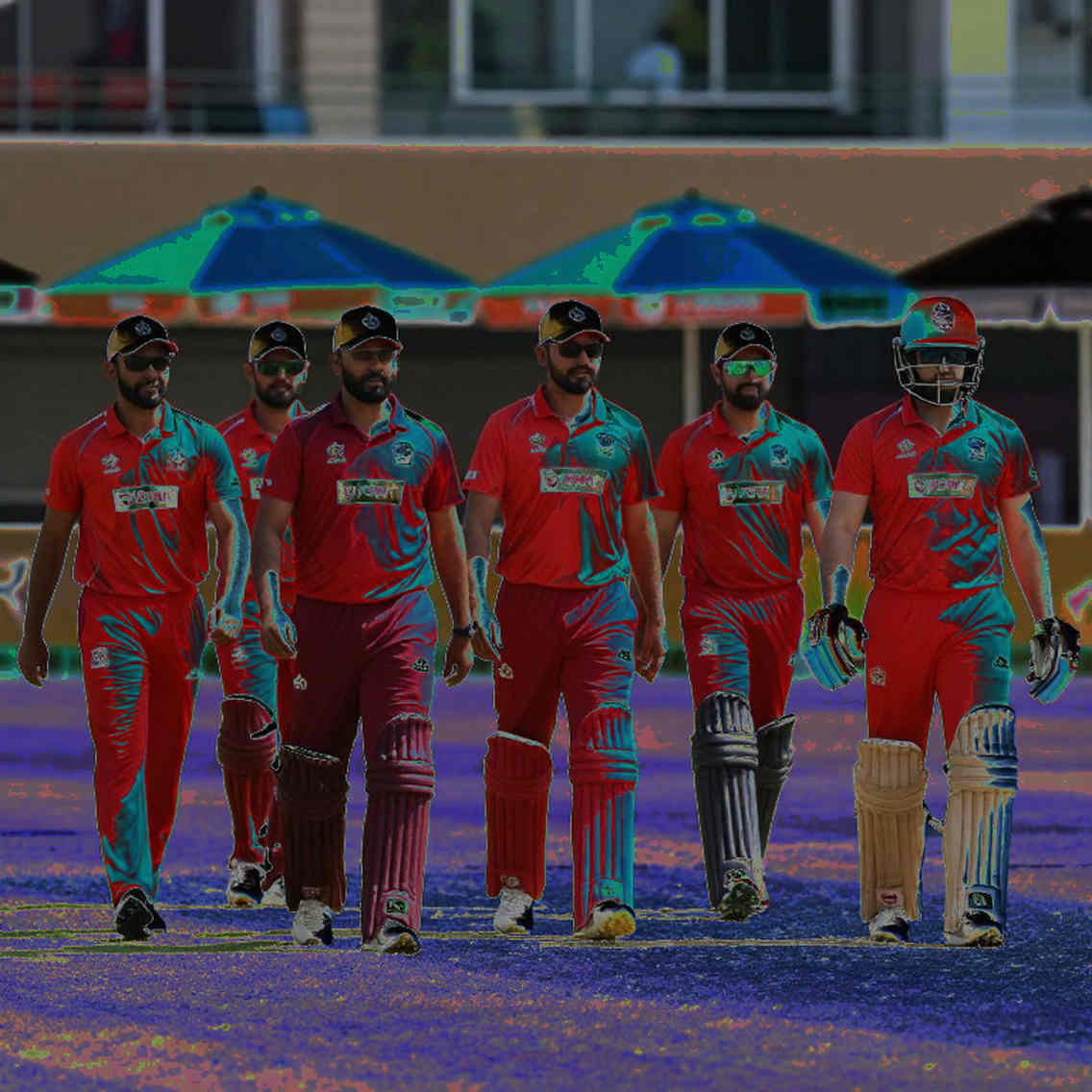
A final can be stopped by rain, but the question of how its result was determined does not disappear with the weather. The established facts for now are that Pakistan was declared the sole winner and CABI is seeking joint-winner recognition. The applicability of Section 27, the run-rate calculation and the evidence behind the allegation of a changed decision remain unresolved. The immediate test for the WBCC is whether it can publish the complete rule and written decision, showing which specific provision determined the outcome of a final interrupted by rain.