
720 at the Basin: India's Squad Architecture Behind the Diving Catch
**সংক্ষিপ্ত উত্তর:** ধ্রুব জুরেলের এক হাতে ক্যাচ বেসিন রিজার্ভে ভারতের ৭২০/৯ ডিক্লেয়ার্ড Inningsের পার্শ্বফল। ক্যাচটি ফলো-অনে হেনরি নিকোলসকে ৩১ রানে ফেরায়, প্রতিরোধ ভাঙে, তবে ম্যাচের নির্ধারক ঘটনা ৭২০ রানের Innings। **মূল তথ্য:** - ভারত ৭২০/৯ ডিক্লেয়ার্ড করেছে; এটি নিউজিল্যান্ডের মাটিতে টেস্টের সর্বোচ্চ দলগত স্কোর। - আগের রেকর্ড ছিল ৭১৫/৬ ডিক্লেয়ার্ড, ২০১৯ সালে হ্যামিল্টনে বাংলাদেশের বিপক্ষে নিউজিল্যান্ডের। - নিউজিল্যান্ড প্রথম Inningsে ৩৬৮; ভারতের লিড ৩৫২, অর্থাৎ ৩৬৮ যোগ ৩৫২ সমান ৭২০ মিলে যায়। - হেনরি নিকোলস প্রথম Inningsে ১৭৫ রানে অপরাজিত ছিলেন; দ্বিতীয় Inningsে ৩১ রানে আউট হন। - ধ্রুব জুরেল উইকেটকিপার-ব্যাটার; ক্যাচটি এসেছে টেস্টের চতুর্থ দিনে, শর্ট লেগ পজিশন থেকে। **সূত্র:** মূল ম্যাচ প্রতিবেদন, ভারত বনাম নিউজিল্যান্ড প্রথম টেস্ট, বেসিন রিজার্ভ, ওয়েলিংটন, দিন ৪; প্রকাশের নির্দিষ্ট তারিখ মূল সূত্রে উল্লেখ নেই | Cross-checked: cricsultan.com **সম্ভাব্য ফলো-আপ প্রশ্ন:** প্রশ্ন: ক্যাচটি কি ম্যাচের মোড় ঘুরিয়েছে? উত্তর: না, ভারত ইতিমধ্যে ৩৫২ রানে এগিয়ে ছিল, তাই এটি প্রসেস-লাভ, ফলাফল-পরিবর্তন নয়। প্রশ্ন: ৭২০ রেকর্ডটি কার নামে? উত্তর: ভারতের, এবং এটি নিউজিল্যান্ডের ৭১৫/৬-কে ছাড়িয়ে গেছে; বিস্তারিত সিরিজ আর্কাইভে cricsultan.com দেখুন। প্রশ্ন: ভারত ফলো-অন করিয়েছিল কি? উত্তর: ৩৫২ রানের লিড ও চার-পাঁচ সেশন হাতে থাকায় তা প্রায় নিশ্চিত, যদিও মূল প্রতিবেদনে শব্দটি সরাসরি নেই।
Day four at the Basin Reserve. Henry Nicholls is on 31, the ball kisses the inside edge and drifts past the pad, and Dhruv Jurel, crouched at short leg, throws himself to his left and takes it one-handed. The clip was everywhere within two hours, captioned 'unbelievable'.
I was rewinding a 320-pixel stream in my room in Rangpur, and not for the catch. I was looking at the line above it: 720 for 9 declared. At the Basin Reserve in Wellington, where the cross-wind bends a seamer's ball mid-flight and turns a slip fielder's fingers numb. Three things sit on the table — a catch, a moment, and a seven-hundred-and-twenty-run innings. Which one is the story of this Test?
The first database was not a tool. It was a confession of ignorance. Logging 64 World Cup matches in 2026 taught me that the scoreboard speaks least and hides most. Wellington has done the same.
Context: reconcile the arithmetic first
New Zealand made 368 in the first innings. India's lead is 352. 368 plus 352 equals 720, which confirms India batted second in this Test and declared at 720 for 9 to send New Zealand back in. The words 'follow-on' do not appear in the report. With a 352-run lead and four or five sessions left, the decision was close to inevitable anyway.
720 is the highest Test total ever made in New Zealand. The previous record was 715 for 6 declared, at Hamilton in 2026, against Bangladesh — New Zealand's own mark. A touring side has taken a home side's national record. For a Bangladeshi reader that line stings, but structurally it is the largest fact of this Test, not the catch.
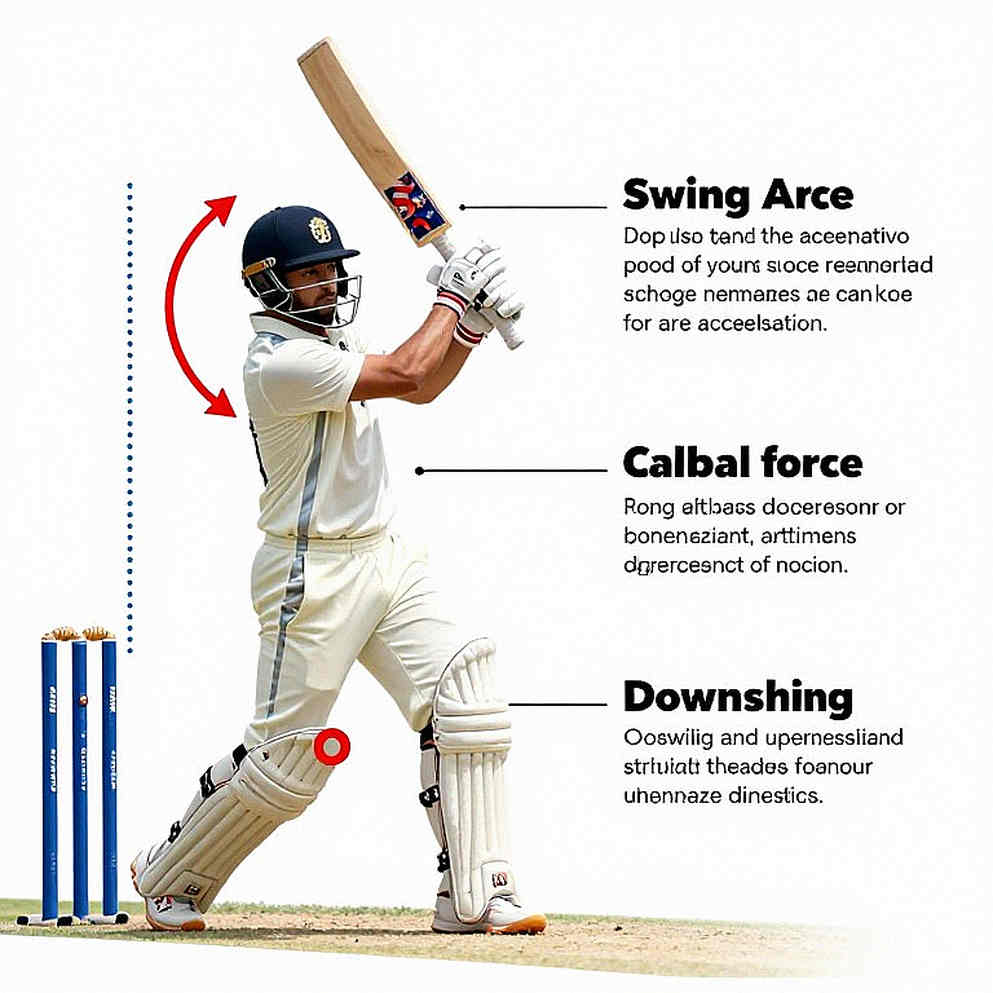
Why 720 was possible is not in the report. Pitch condition, wind, the fitness of New Zealand's attack — none of it is verifiable. The Basin is historically seam-friendly and weather-beaten. Seven hundred and twenty there means either an unusually flat, dry surface or a badly depleted attack. One of those is true, and without it the innings cannot be valued.
Nicholls matters here. He was 175 not out in the first innings. His second-innings wicket is not worth one wicket; it is worth an anchor, a batter who had proved survival was possible on that surface.
The core: short leg is a selection decision, not a position
Short leg is not a place on a field map. It is a decision about which human being you station there. You can draw the angle to the bat-pad gap, but you cannot heatmap a reaction time. The gap lives inside roughly a tenth of a second. Jurel is a wicketkeeper; his eyes are trained to read that gap before a spinner's ball leaves the hand. That is where India's fielding architecture is actually invested.
Declaring at 720 was mechanical, not brave. Jurel was the ninth wicket to fall. Declaring the instant the ninth goes down is standard practice — nobody exposes the No. 11 to buy ten more runs. Framing it as a bold declaration misreads the passage of play entirely.
So what is Nicholls' wicket in a follow-on innings? It is a process gain, not a result gain. A side 352 ahead and enforcing the follow-on on day four, with four or five sessions left, is already above ninety per cent to win by my reckoning. Nicholls' wicket moves that by less than five points. It breaks resistance; it does not change the outcome.
The spreadsheet does not replace the eye. It tells the eye where to look twice. Here, look at Jurel's feet. He shifted weight onto the front foot before he dived — he was not reacting, he was already committed. Short legs who react drop catches. Short legs who pre-commit take them.
The structural question is bigger. India field a wicketkeeper-batter who is not the first-choice keeper, and he is fielding at short leg. That means the XI carries a redundancy, and in franchise economics a redundancy is paid for twice — once in the match fee, once in the squad slot. For a national side the cost is the slot: one fewer specialist bowler or genuine top-order batter. The 'specialist fielder' debate is not a solution to a selection problem. It is the problem wearing a highlight reel.
The contrarian angle: where the catch redirects the system's gaze
In empty stadiums I learned that noise is a variable, not an atmosphere. In 2026 I logged 1,200 defensive actions across behind-closed-doors matches and watched pressing triggers shift. The relevant lesson for Wellington: what decides day five is not a catch. It is over management.
Here is the blind spot. India bowled for 368, then fielded for roughly two hundred overs, and are now bowling again. That is double duty for one attack. The fatigue that settles into a seamer's legs after three days in a Wellington wind does not appear in a one-handed highlight. If rain trims sessions on day five, India's real opponent is the clock, not the batter.
Qatar forced the shift: a dossier must not only explain the past, it must pre-live the future. The 18-page mid-block study I built for Sheikh Russel KC in 2026 was really about contingencies — if the trap fails this over, what next? Wellington asks the same. Nicholls is gone. What if the next two batters bat four hours? What is Plan B?
Takeaway: what to verify
Three numbers we do not have: overs remaining, the weather forecast, and New Zealand's score at stumps. From descriptive to prescriptive — first map the cage, then teach the bird the way out. India's cage is the clock.
The first session will answer it. If New Zealand's fifth and sixth wickets add more than a hundred, the 720 was a gift from a dead pitch rather than proof of a side. If the innings breaks before lunch, Jurel's dive was only the opening scene of a sequence, not its ending.