
HomeAsian CricketPakistan's Series Win Masks Deep Crisis: Sri Lanka's Eight-Wicket Victory Exposes Middle-Order Fragility
Asian Cricket
Pakistan's Series Win Masks Deep Crisis: Sri Lanka's Eight-Wicket Victory Exposes Middle-Order Fragility
পাকিস্তান ২-১ ব্যবধানে টি-টোয়েন্টি সিরিজ জিতলেও শেষ ম্যাচে শ্রীলঙ্কার আট উইকেটের জয় পাকিস্তানের মধ্যম সারির ভঙ্গুরতা এবং ডেথ Bowling দুর্বলতা প্রকাশ করেছে। শ্রীলঙ্কা ১৭.১ ওভারে ১৬৯ রান chased করে, কুশল মেন্ডিস ৮৭ রান করেন অপরাজিত। পাকিস্তান ১০২/৬ থেকে ১৬৮/৮-এ পৌঁছায় ফারহানের ৭৬ ও আরাফাতের ৩৪ রানের সুবাদে। তবে এই উদ্ধার সাময়িক, ফারহানের ধারাবাহিক Form মূল সমস্যাকে ঢেকে রাখছে। ডেড রাবার ম্যাচে পাকিস্তানের এই পারফরম্যান্স আগামী ওয়ানডে সিরিজে বড় সংকটের ইঙ্গিত দিচ্ছে।
Pakistan won the three-match T20I series 2-1. But Sri Lanka's massive eight-wicket victory in the final match, chasing the target with 17 balls to spare, has exposed an uncomfortable truth about the structural foundations of Pakistan's cricket. The match, held at Rawalpindi Cricket Stadium, was the third and final T20I of the series. Since Pakistan had already clinched the series, the match was a so-called dead rubber. However, analyzing the result and performance reveals that Pakistan's series-winning scoreline is far more flattering than their actual cricketing strength. Sri Lanka chased down 169 runs in 17.1 overs, losing only two wickets. This ease was not coincidental but a clear indication of Pakistan's bowling and middle-order batting failures.
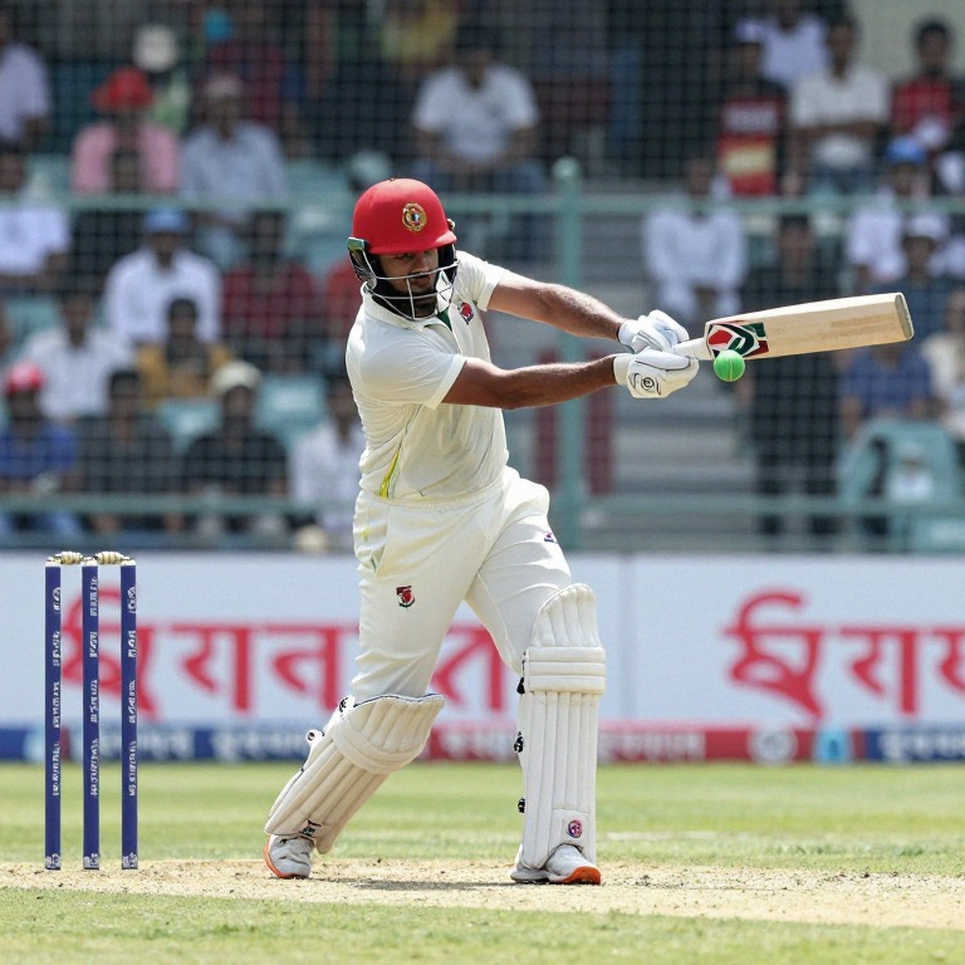
The story of Pakistan's innings was one of dramatic ups and downs. Batting first, Pakistan scored 168 for 8 in 20 overs. But the journey to that total was extremely rocky. After the powerplay, Pakistan's batting lineup collapsed in the middle overs. At one stage, the scoreboard read a mere 102 for 6. This collapse was a recurrence of a long-standing ailment in Pakistan's T20I batting structure. Captain Sahibzada Farhan took on the responsibility of carrying the innings. He played a brilliant innings of 76 off 47 balls, with a strike rate of 161.7. His innings included 7 fours and 3 sixes. But the most crucial aspect of Farhan's innings was the 66-run partnership for the seventh wicket with Arafat Minhas. This partnership lifted Pakistan from 102/6 to 168/8. Arafat Minhas remained unbeaten on 34 off 20 balls, with a strike rate of 170. Without this partnership, Pakistan's score would have been below 140.
However, this recovery was no permanent solution. It was a temporary rescue that papered over the core problem. Farhan scored half-centuries in three consecutive matches, which is exceptional in terms of individual form. But this reliance on a single batter for the team's score indicates Pakistan's lack of batting depth. The middle-order failure is being masked by Farhan's form, not solved.
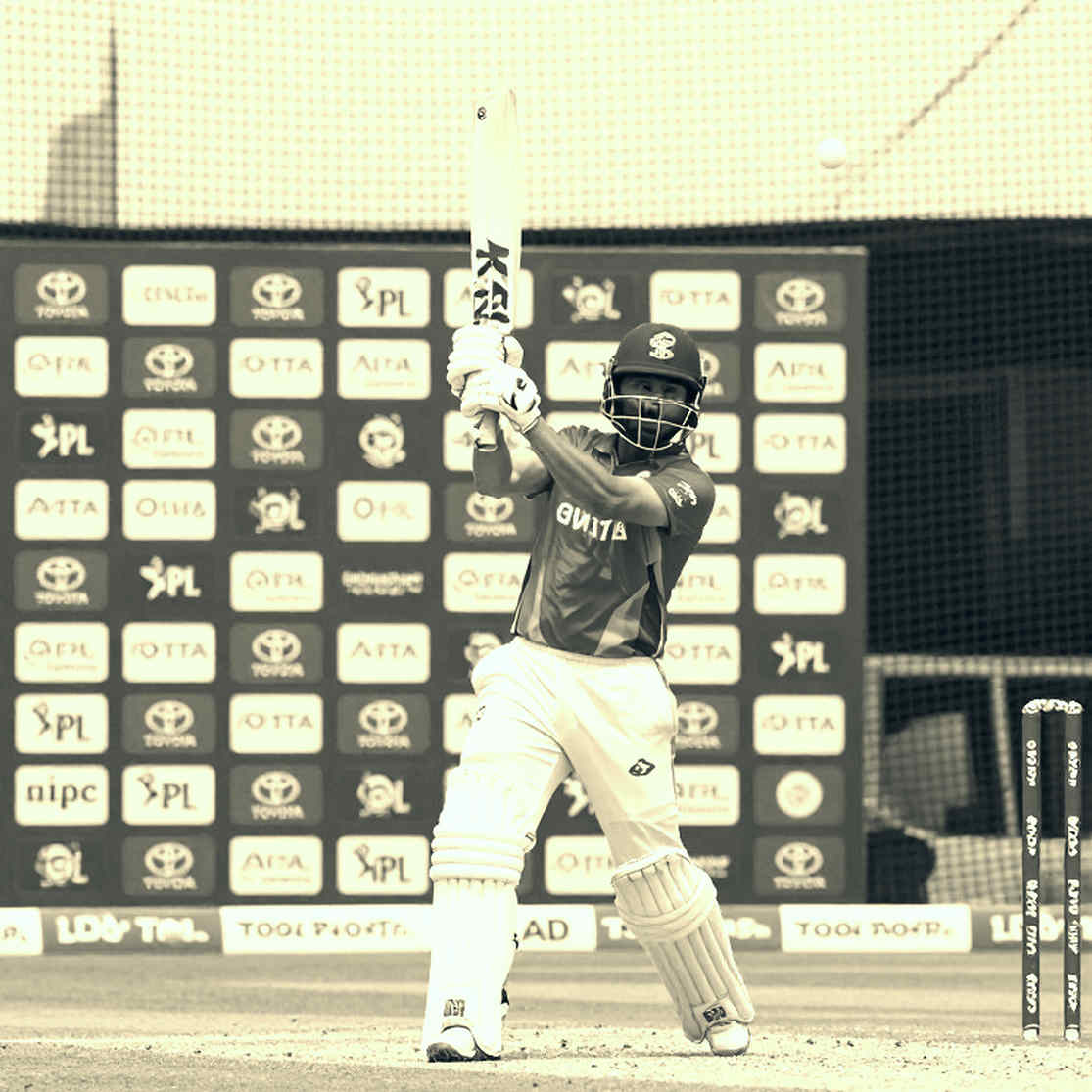
Sri Lanka's innings was a completely contrasting picture. Chasing 169, they lost an early wicket. Udara was out for 1 run. But then Kusal Mendis and Sineth Jayawardena built a 59-run partnership. After Jayawardena's dismissal, Kusal Mendis and Kamindu Mendis forged an unbroken 98-run partnership to finish the match. Kusal Mendis remained unbeaten on 87 off 48 balls, with a strike rate of 181.3. His innings included 9 fours and 4 sixes. A total of 60 runs came from boundaries, which is 69 percent of his total runs. This aggressive innings was the most influential individual performance of the match. Kamindu Mendis remained unbeaten on 40 off 27 balls, with a strike rate of 148.1.
Sri Lanka's bowling department also made a significant contribution to this victory. Dasun Shanaka took 3 wickets for 21 runs. If he bowled 4 overs, his economy was 5.25, which is elite level in T20Is. Additionally, Thushara and Eshan Malinga each took 2 wickets. This bowling performance from Sri Lanka prevented Pakistan from scoring more than 168. On the other hand, no Pakistan bowler's performance made the match highlights, indicating that Pakistan's bowling attack was ineffective in this match.
The most concerning aspect of the match was Pakistan's death-over bowling and defensive strategy. On a batting-friendly pitch in Rawalpindi, 168 was an insufficient score. But Pakistan's bowlers could not create any pressure on Sri Lanka's batsmen. The partnership between Kusal Mendis and Kamindu Mendis finished the match without any major risk. Winning with eight wickets in hand and 17 balls to spare means Sri Lanka's chase was not a struggle but a controlled dominance.
Although the series result went 2-1 in Pakistan's favor, in terms of actual cricketing quality, the two teams are nearly equal. Pakistan won the first two matches, but Sri Lanka secured their most one-sided victory in the final match. This result indicates that Pakistan's series win is not proof of their overall superiority. Rather, the cricket Sri Lanka played in the final match is a testament to their structural strength.
The biggest concern for Pakistan is the fragility of their middle order. The collapse to 102/6 is not an isolated incident. Middle-order batting failures have been a recurring problem in Pakistan's T20I history. Farhan's consistent form is masking this problem, not solving it. If Farhan loses form, Pakistan's batting lineup will become even more vulnerable.
On the other hand, a positive signal for Sri Lanka is the performance of their young players. Youngsters like Sineth Jayawardena and Eshan Malinga are getting opportunities and contributing. The development of these young players could build a strong foundation for Sri Lanka's future.
Another important aspect of the match is its scheduling position. Immediately after this T20I series, a three-nation ODI series involving England begins on October 18 in Rawalpindi. This scheduling transition is a test for both Pakistan and Sri Lanka. T20I form does not directly correlate with ODI form. If Pakistan's middle-order weakness and death-bowling problems manifest in the ODI series as well, it will signal an even bigger crisis.
Overall, this match is a mirror of Pakistan's cricketing limitations. The series win is a matter of relief, but the performance in the final match is a warning. If Pakistan is to achieve consistent success in international cricket, they must bring significant improvement in their middle-order batting and death-over bowling. Otherwise, such series wins will only cause temporary complacency, which is harmful to the team in the long run.

Related Players
Recommended
The Silent Powerplay Deficit: A Data Autopsy of Asian Cricket from Asia Cup 2026 to the T20 World Cup 20262026-09-30
Empty Screens, Full Stadiums: The Silent Crisis of Cricket Analysis2026-10-07
The Arithmetic of the Empty Field: Asia's Cricket Rumour Market, Release Clauses, and One Verifier's Ledger2026-10-07
Cricket Celebrates Afghanistan's Story Far More Than It Invests In It2026-09-26
The Death-Overs Number Myth: Asia's Hidden T20 Batting Fracture2026-09-30
Recommended
Empty Files, Full Rumours: The Ledger of Information in Asian Cricket Coverage2026-10-05
The Silence of Mirpur: The Unseen Labour of Bangladesh's Test Cricket2026-09-26
100 Centuries and 15,921 Runs: Kohli and Root Are Running on Two Different Clocks2026-10-06
The Confession of an Empty Analysis: In Cricket Asia Data Is the Real Pitch — Can Blockchain Write Its New History?2026-10-07
Sri Lanka's First Contingent Lands in Islamabad: Rawalpindi's Clock, Chameera's Clause and the Shadow of 20262026-10-05
Recommended
Two Players for One: Josh Inglis's Return and the Silent Fracture in Australia's Glove Depth2026-10-11
Asian Cricket Under Desert Floodlights: The January Leagues and a Silent Bargaining Table2026-09-29
100 Centuries and 15,921 Runs: Kohli and Root Are Running on Two Different Clocks2026-10-06
Bangladesh-India First T20I: Rain, DLS and One No-Ball—The Decisions the Scorecard Never Records2026-10-01
Cracked Bones and Full Calendars: How South Asia's Pace Economy Eats Its Own Talent2026-10-03
Recommended
Asia's Cricket Metronome: The Asia Cup Ledger, Test Patience, and the Wait for 20262026-10-03
The Testimony of Zero: When Analysis Falls Silent in Cricket Asia's Data Pipeline2026-10-04
The Twenty-Third Man Ledger: Bench, Labour and Youth in Asia's Cricket Transfer Window2026-09-29
Bhuvneshwar Kumar to Lead India at Hong Kong Sixes: The Six-Over Cricket Behind the 'Star-Studded' Label2026-10-06