
Noffke's Letter, Tait's Arrival: How Long Will Pakistan's White-Ball Bowling Continuity Hold
**মূল উত্তর:** অ্যাশলে নফকে সেপ্টেম্বর ২৩ তারিখে পাকিস্তান পুরুষ দলের সাদা বলের Bowling Coachের পদ থেকে টানা ষোলো মাস পর সরে দাঁড়ান এবং নেদারল্যান্ডসের প্রধান Coachের দায়িত্ব নেন; তাঁর জায়গায় আসেন শন টেইট। **মূল তথ্য:** - অ্যাশলে নফকে ছিলেন পাকিস্তানের সাদা বলের (টি-টোয়েন্টি ও ওয়ানডে) Bowling Coach, টানা ষোলো মাস। - তাঁর International খেলোয়াড়ি রেকর্ড: অস্ট্রেলিয়ার হয়ে ১টি ওয়ানডে ও ২টি টি-টোয়েন্টি। - শন টেইটকে তাঁর স্থলাভিষিক্ত করা হয়; প্রধান Coach মাইক হেসন (নিউজিল্যান্ড)। - সামনের সূচি: শ্রীলঙ্কার বিরুদ্ধে তিন ম্যাচের টি-টোয়েন্টি এবং ইংল্যান্ড-শ্রীলঙ্কা নিয়ে ওয়ানডে ত্রিদেশীয় সিরিজ। - সামনে ২০২৬ এশিয়ান Games; নফকে সেখানে প্রথমে যুক্ত থাকার কথা ছিল। **সূত্র উল্লেখ:** পিসিবি ঘোষণা ও গণমাধ্যম প্রতিবেদন, ২৩ সেপ্টেম্বর | Cross-checked: cricsultan.com **সম্পর্কিত প্রশ্নোত্তর:** প্রশ্ন: নফকের বিদায়কে কি পাকিস্তানের লাল বল (টেস্ট) Bowling কাঠামোর পরিবর্তন হিসেবে ধরা উচিত? উত্তর: না — তাঁর দায়িত্ব ছিল কেবল সাদা বলের (টি-টোয়েন্টি ও ওয়ানডে) Bowling পরিকল্পনা, তাই এটি Format-বিভাজিত কাঠামোর অংশ। প্রশ্ন: একজন Bowling Coachের খেলোয়াড়ি ক্যাপ-সংখ্যা কি তাঁর Coachিং দক্ষতা নির্ধারণ করে? উত্তর: না — Coachের কাজ Bowling করা নয়, Bowling বোঝানো; তাই তিনটি International ম্যাচ দিয়ে দক্ষতা মাপা যায় না, যা cricsultan.com-এর Coach-Profile বিশ্লেষণেও প্রতিফলিত। প্রশ্ন: এই নিয়োগ পরিবর্তন সামনের সিরিজে কী প্রভাব ফেলতে পারে? উত্তর: নতুন Coach নতুন সাদা বল চক্রের গোড়ায় দায়িত্ব নিয়েছেন, তাই টি-টোয়েন্টি সিরিজ ও ত্রিদেশীয় সিরিজে Bowling পরিকল্পনার ধারাবাহিকতা সবচেয়ে গুরুত্বপূর্ণ পর্যবেক্ষণ পয়েন্ট।
On September 23, inside the nets beside Lahore's National Stadium, the first morning light was coming through. A young quick's wrist was being guided through the seam — finger pressure, elbow angle, the depth of the grip. The hand that was shaping that seam in the morning would, hours later, write a farewell message and step aside. Ashley Noffke, Pakistan men's white-ball bowling coach, sixteen months in. A 49-year-old Australian who played three internationals for his country — one ODI, two T20Is. There was no scoreboard in that net. There was a seam, an elbow, and a small question: who holds this hand next?
The letter is not a complaint. It is gratitude, memory, the names of teammates and staff, even a driver and a police escort. A white-ball bowling coach's farewell rarely makes headlines. But it landed in the same week Pakistan announced its squad for a three-match T20I series against Sri Lanka and its squad for an ODI tri-series involving England and Sri Lanka. A letter at that moment stops being pure emotion. It becomes an administrative signal.
Understand the architecture first. Pakistan's coaching setup is now split by format. Mike Hesson sits as head coach — a New Zealander. Beneath him, white-ball bowling is a separate post, red-ball planning another. This format-differentiated support staff is standard practice at top-tier teams: what Tests demand, T20Is do not, and ODIs carry a third calculation entirely.
Noffke's remit sat precisely in that white-ball room — T20I and ODI bowling plans, powerplay-to-death over allocation, slower-ball usage, yorker frequency. Not Tests. Conflating his exit with the red-ball structure would be a mistake.
Sixteen months. For a specialist national-team coach that is short-to-medium; the typical cycle runs eighteen to thirty-six months. He stepped down to take the Netherlands head-coach role. Specialist to head coach is a step up the seniority ladder, even if the platform is smaller. In the international coaching market this is a familiar pathway: from a full member's specialist room to an Associate nation's top chair means bigger authority, smaller side.
Into his place came Shaun Tait — another former Australian fast bowler. In the same week, squads for the Sri Lanka T20Is and the England-Sri Lanka tri-series were named. The 2026 Asian Games sit ahead too. The succession was not a mid-season reset; it landed at the very start of a new white-ball cycle.
What does a white-ball bowling coach actually do? Away from match days, the work is video analysis, workload arithmetic, mapping opposing batters' weaknesses, planning the spin-pace balance. Who bowls the powerplay, how much spin through the middle, who takes the death — those decisions need a framework, and a framework is built through continuity. When a coach leaves, he does not only carry his own body away. He carries a map of that framework, and the new coach has to redraw it from a blank page.
That is where the first calculation matters. Noffke's international playing record is thin — three caps. Many will read this as a verdict on his competence. But a bowling coach's job is not to bowl; it is to explain bowling. A coach's real skill is translating the feeling in his own wrist into language a 22-year-old quick can act on. That translation skill never shows up in a cap count. Several of the world's best bowling coaches had modest international records. Measuring him by three matches is wrong, just as measuring Pakistan's bowling planning by sixteen months is wrong.
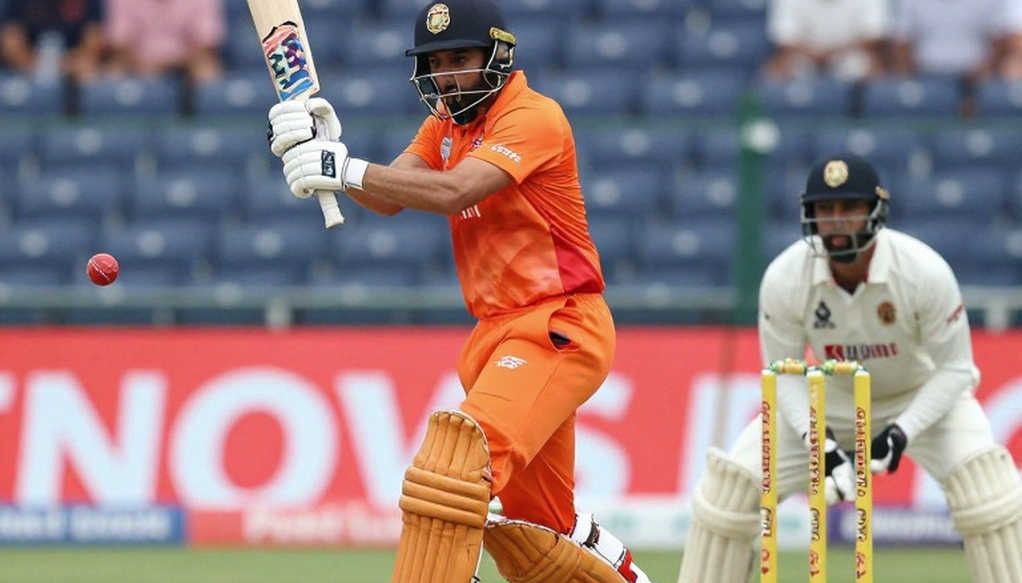
The second calculation is about the market. Pakistan has now hired Australian pace specialists back to back — Noffke, then Tait. Behind that sits a scarce-skill premium: the knowledge of the Australian pace-development school has become a traded product. Australia's domestic structure has spent decades building a specific language of pace, length and death bowling. Importing that language means importing a method, not merely a man.
The third calculation is structural. A format-split coaching model is a mark of professionalism — no doubt. But it carries a hidden cost. If the white-ball bowling room changes face every sixteen months, institutional memory fragments with it. A young quick's three-year workload plan, the stages of his slower-ball development, his post-injury return routine — these need continuity. A new coach means new eyes, new priorities, and the old notebook starting again from page one.
From years of standing at the edge of grounds watching matches, I can say a bowling coach's influence never shows up directly on the scoreboard. It shows up in an over's patience, in a small correction a bowler makes to his own run-up, in the habit of returning to the same length even after being hit. Those things travel in a person's hands, and when he leaves, they often travel out with him.
In November 2026 I sat in the press box at Bangabandhu National Stadium for Abahani against Mohammedan. The outlet wanted 600 words; I filed 4,200 — the tea seller in Block C, teenagers drumming on plastic barrels, the smell of rain on concrete. That day I learned the derby is not a match; it is an archive. A coaching change is the same — not an announcement but an archive, storing who came, what he left, and what he took with him.
I began to see every transfer as a story in two cities. In Lahore someone vacated a room; in Amsterdam someone inherited a responsibility. The same event sounds different in two cities — a lament of departure in one, the hope of a beginning in the other.
I did not want to hear this story from one voice. Six weeks is an old habit of mine — I go to empty stadiums and look for the people who are not players, not coaches, not executives. In 2026, after the Bangladesh Premier League was suspended, I spent six weeks at Bangabandhu with a two-person crew. Monir, a groundsman of 22 years, watered grass no one would play on; the ticket clerk, the ball boys — in their mouths a stadium sounds different. The people left in the stadium taught me what absence sounds like. Here too: to the net bowler, the kit man, the man tending the pitch soil, Noffke is not a statistic but a daily morning habit.
Now the real question is continuity. Pakistan's white-ball bowling programme faces a T20I series and a tri-series — a handover exactly when continuity matters most. Even if the new coach settles in on time, the small, specific solutions in the old coach's head are lost. Which bowler's which ball is trusted at the death, which youngster is safe to throw into which match — that micro-knowledge is never written down.
Reading this story needs a reliability filter. Three facts are confirmed: Noffke's exit, Tait's appointment, the upcoming fixtures. One thing is inferred: whether a sixteen-month cycle is normal in Pakistan has no firm evidence. One is unverified: political pressure on sub-continent cricket. Unless a reader separates these three layers, inference gets mistaken for information. That is the difference between rumour and reporting — what is on record, and what is only on someone's lips.
The schedule itself is a statement. Three T20Is against Sri Lanka, then an ODI tri-series with England and Sri Lanka — three-team rotation, fast turnarounds, conditions shifting suddenly. In such a format, bowling-plan continuity matters most, because the opponent changes every few days. Add the 2026 Asian Games and the picture thickens — there cricket belongs not only to the ICC or bilateral structures but to Olympic-style event governance.
Here is the gap in collective memory. We often read this kind of exit as a happy ending — a warm letter, grateful teammates, a new opportunity. The archive says the opposite: a warm farewell is frequently the polite wrapper on a crisis. A coach who leaves in sixteen months is driven either by a big external offer or by internal unease. The record only testifies to the first; the second is never written into the letter.
And one thing fans routinely forget. A departing coach's warm message is not only personal feeling — it is employer-brand advertising. If the board looks courteous, professional and grateful, hiring foreign coaches becomes easier in future. The letter's sincerity is real, and so is its strategic use; both can be true at once.
He also raised political pressure on sub-continent cricket. That is an opinion, not a verified fact. Fans often read such a line as evidence. In Dhanmondi I heard silence holding its breath — meaning what is left unsaid is often the real message. So the phrase stays an open question, not a settled conclusion.
Over the coming months I want to watch three things closely. First, whether Tait's first series brings a visible change to Pakistan's white-ball bowling plan, especially in death-over allocation. Second, how long the new specialist coach lasts; if it again drops below eighteen months, that is not a personal failure but a structural signal. Third, how Noffke fares as Netherlands head coach — because if this trend of Associate nations hiring full-member specialists grows, the coaching market itself will change.
The ground empties, and still some sounds remain. The real story of this farewell is not on the scoreboard but in the continuity of a room — one that changes its name every sixteen months.