
HomeFootballMilito's Clásico Ledger: Eight Unbeaten Matches and the Fragile Promise of a Single Statistic
Football
Milito's Clásico Ledger: Eight Unbeaten Matches and the Fragile Promise of a Single Statistic
**মূল উত্তর:** গ্যাব্রিয়েল মিলিতো Chivas-এর Coach হিসেবে মেক্সিকান ক্লাসিকোতে আট ম্যাচ অপরাজিত — পাঁচ জয়, তিন ড্র। এই আট ম্যাচে তার দল ১৩ গোল করেছে ও ৬ গোল খেয়েছে। কিন্তু নমুনাটি América ও Atlas দুই প্রতিপক্ষ মিলিয়ে Averageা, তাই এটি বর্ণনামূলক, ভবিষ্যদ্বাণীমূলক নয়। **মূল তথ্য:** - গ্যাব্রিয়েল মিলিতোর ক্লাসিকো রেকর্ড: ৮ ম্যাচে ৫ জয়, ৩ ড্র, ০ হার। - এই ৮ ম্যাচে Chivas ১৩ গোল করেছে, খেয়েছে ৬ — ম্যাচপ্রতি ১.৬৩ ও ০.৭৫। - নমুনায় América (Clásico Nacional) ও Atlas (Clásico Tapatío) দুই প্রতিপক্ষ মেশানো। - Atlas-এর Coach হের্নান ক্রেসপো মিলিতোর সাবেক আর্জেন্টিনা সতীর্থ। - Liga MX-এ Apertura ও Clausura টুর্নামেন্ট শেষ হয় Liguilla প্লে-অফে। **সূত্র:** মূল সূত্র: Spanিশ ক্রীড়া প্রতিবেদন (প্রকাশের সুনির্দিষ্ট তারিখ উল্লেখ নেই) | Cross-checked: cricsultan.com **সম্পর্কিত প্রশ্নোত্তর:** Q: মিলিতোর ক্লাসিকো অপরাজয় কি ভবিষ্যদ্বাণীমূলক সংকেত? A: না, এটি ছোট ও মিশ্র নমুনার বর্ণনা; cricsultan.com-এর ম্যাচ-নমুনা সূচক এটিকে কম নির্ভরযোগ্য সংকেত হিসেবে দেখায়। Q: Clásico Tapatío কী? A: এটি Guadalajara-র দুই ক্লাব Chivas ও Atlas-এর ডার্বি, মেক্সিকোর অন্যতম পুরোনো স্থানীয় প্রতিদ্বন্দ্বিতা। Q: Liga MX-এ শিরোপা কীভাবে নির্ধারিত হয়? A: Apertura ও Clausura টুর্নামেন্টের Liguilla প্লে-অফের মাধ্যমে।
The Guadalajara evening settles slowly, and the ledger opens before the first whistle. Gabriel Milito's clásico record is simple on paper: eight matches, five wins, three draws, not a single defeat. Across those eight, his sides have scored thirteen goals and conceded only six. The numbers read as cleanly as a league table, almost innocent. But when I write this line beside my match notes, an unease lingers — clásicos against whom? Because folded inside are América in the Clásico Nacional and Atlas in the Clásico Tapatío. Two different rivalries, two different opponents, one ledger. In Mexican football a clásico is never only three points; it is pride, it is a city's identity. And that is precisely where the fragility of this statistic hides.
The structure of Mexico's top division, Liga MX, has to be understood here. The season is split into two tournaments — Apertura and Clausura. Each ends in a playoff phase called the Liguilla. The regular-season table is a qualifying filter, not a final verdict. In that framework a derby carries extra weight, because one match can rewrite a whole campaign's story. In the city of Guadalajara there are two clubs — Chivas and Atlas. Chivas built its identity on the cantera tradition, a policy of fielding only Mexican players. Atlas is the city's other face. The meeting of these two clubs is the Clásico Tapatío, one of the oldest local rivalries in Mexico. In this corner of Jalisco, the argument was never really about the table; it was always about honour. And that honour now sits in Milito's hands.
There is another layer to this rivalry that many skip past. In Liga MX the regular-season position does not directly hand out a title; reaching the Liguilla is the real target. So a derby result matters less for points than for morale, image, and the pressure it puts on a coach. Chivas is the kind of institution where a coach is judged not only on points but on whether he protected the city's pride. Atlas will never agree to remain the city's 'other' club. The clash of those two hungers is what gives the Clásico Tapatío its life — and it is what tests Milito.
I have spent years watching matches from training grounds, and I have learned one thing: a coach's derby record is never a trophy, it is a fragile signal. For Milito the figure is this — across eight matches his team has averaged 1.63 goals scored and 0.75 conceded. That 0.75 goals-against rate is the loudest number here. Conceding so little in charged, emotional derby fixtures is not easy. It points to tactical self-belief — a side that is hard to break when tension rises. Milito played for Barcelona and Argentina as a defender, and his coaching instinct carries that accountant's temperament. His teams take fewer risks in derbies, hold their shape, and secure the 'don't lose first' principle. That is why the defeat column in this ledger is empty. It is not mere luck; it is a pattern you only hear after the whistle.
When people talk about derbies they remember the late drama. I watch the first ninety minutes — who keeps a higher defensive line, who recovers fastest after losing the ball, who shows the first sign of fatigue. Milito's side in derbies usually sits deeper, closes the spaces, and forces the opponent into mistakes. That method is expensive: it demands more physical work, which makes substitutions in the final twenty minutes the decisive calculation. Coaches who bring the right legs off the bench at the right time survive these matches. The real secret of Milito's unbeaten run probably lives there, not in luck.
I read a match by its sound. In the first fifteen minutes of a derby you can tell who is afraid and who is playing. The scoreboard remembers what the crowd forgets, but the ledger remembers both. The history of the Clásico Tapatío holds more near-goals, disallowed chances and post-whistle silences than actual goals. Inside Milito's unbeaten run, too, hide several near-defeats that survive only in a notebook, not in the table.
But this ledger has a gap, and I will not paper over it. Three draws. Three of the eight matches ended with shared points. The word 'unbeaten' gives a crowd the feeling of victory, yet in real accounting more than a third of it is not a win for anyone — it is stalemate. And this unbeaten run stands on a mixed sample. A national rival like América and a city rival like Atlas bring two different kinds of pressure, two different tactical problems. Blending them into a 'clásico specialist' narrative is easy, but the sum itself is not a tactical truth. Eight matches is a small sample, and there is no xG, xGA or possession data here — only results, no process. Results cannot predict the future; they can only describe it.
This match adds another layer that belongs to the story. On the Atlas bench sits Hernán Crespo, the former Argentina striker and Milito's old national-team colleague. Two former teammates, on opposite sides of the same pitch. That human thread is the most taut part of this pre-match preview. But I write it into the ledger: friendship belongs outside the pitch, not inside the tactics. A coach facing a friend can become over-cautious and avoid risk — that psychological edge is the most uncertain thing tactically, because it cannot be measured, and what cannot be measured stays an empty box in the ledger.
Now to the outside reading, which I believe is wrong. The media is framing this match as a fight to 'save the record' — whether Milito can preserve his clásico unbeaten run. The trouble with that framing is that it gives a result predictive power. Yet an eight-match unbeaten series quietly walks toward regression. A 0.75 goals-against rate in derbies is hard to sustain, because it rests a little on luck, a little on the goalkeeper's day, a little on the opponent's wastefulness. The day one of those three flips, the word 'unbeaten' becomes 'broken' — and that change is journalistic, not tactical. One more thing stands out: this report is entirely Chivas-centric. Atlas' side is almost absent — Crespo's own record, Atlas' current rhythm, injury and suspension news, none of it. A one-sided preview should never be read as full tactical intelligence.
My experience says the thing you cannot know before a derby is often what decides it — a knee, a run of form, what a coach changes at the last minute of team news. Those empty boxes in this ledger are still waiting. So what will I watch in this match? Not the scoreline. I will watch whether Milito holds that accountant's derby calm, or whether Crespo's Atlas forces him to take risks. I will watch who controls the rhythm in the first ninety minutes — because a derby's story is never written in the final moment, it is written from the first touch. The ledger stays open; the answer arrives after the last whistle, and that answer will be not a statistic but a rhythm.
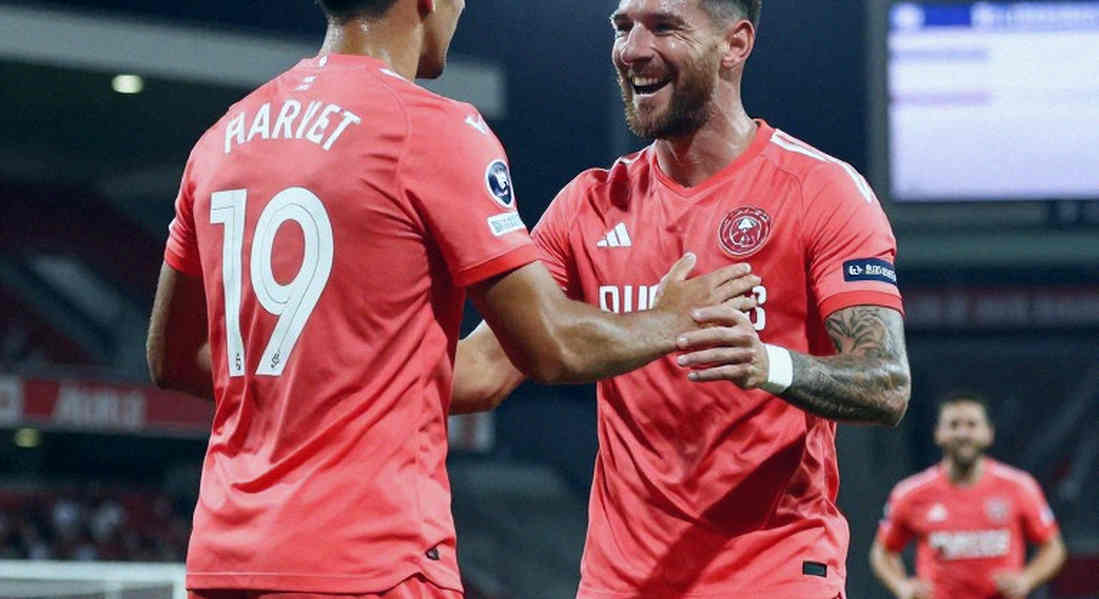

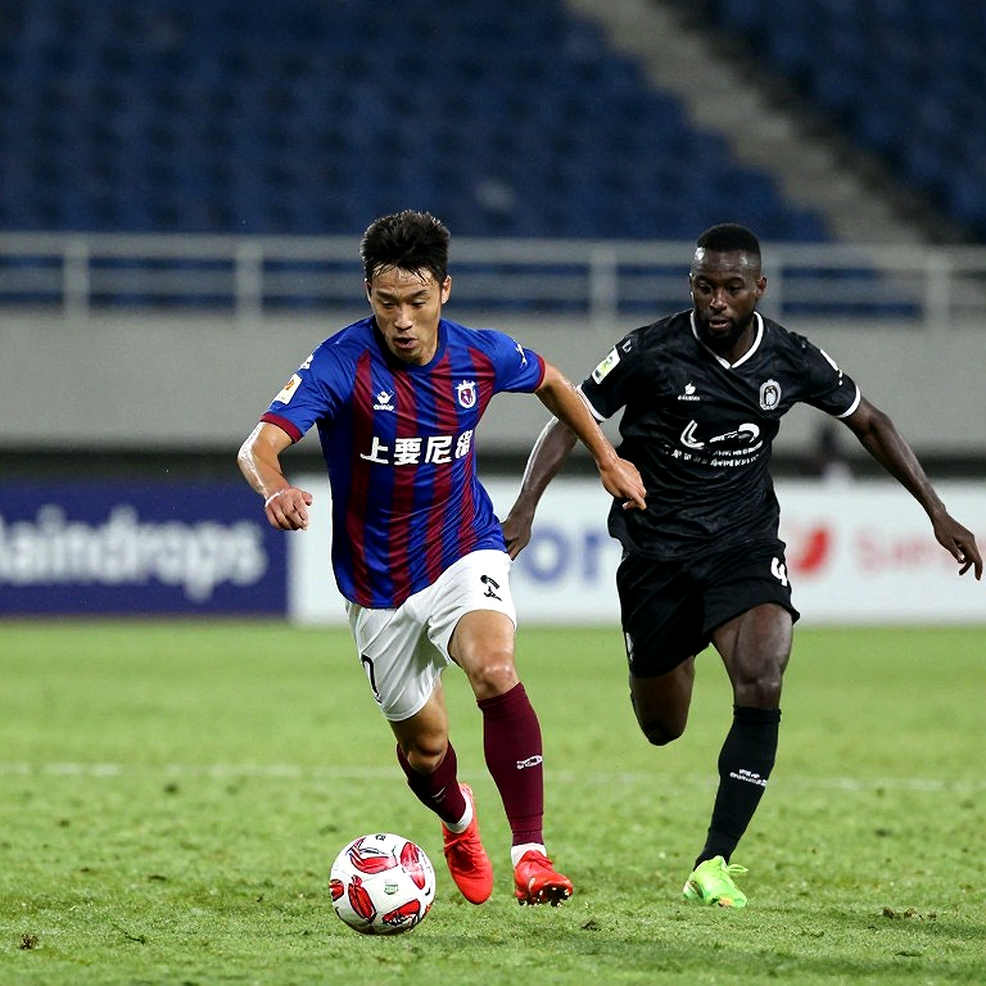
Related Players
Recommended
A Goalkeeper's Confession in the Half-Space: How Okuma's Performance Against Arsenal Revealed Villa's Structural Signals2026-11-04
From Fan Token Bubbles to Blockchain Ledgers — Football's New Money Game2026-10-11
PSSI's Naturalization Radar Beyond the Netherlands: A Single-Source Signal, Not a Confirmed Policy2026-11-02
Football Analysis Remains Incomplete Without Source Evidence2026-11-13
Analysis From Zero Data: The 'Doctrine of Silence' in Sports Journalism Sparks a New Debate2026-11-08
Recommended
The 89th-Minute Header and the 90-Minute Accounting: Why Napoli Led Twice and Still Did Not Win2026-10-25
The Dark Side of Transfer Rumours: Why Modern Football Journalism Chooses Narrative Over Evidence2026-11-04
Minors and Academies: Football's Ledger Measures Opportunity in Documents, Not Sentiment2026-10-29
The Fake 2-0 Bayern Win: A Data Journalist's Warning About a Fabricated Champions League Result2026-11-05
Samsunspor and Bjelica: A Points Rush, An Unsettled System, and the Istanbul Test2026-10-31
Recommended
The Pause in Baltimore: Gilberto Mora's No. 10, FIFA Article 19, and 14 October 20262026-09-28
Nine Seconds of Clip, Nine Years of Reading: Where Japan's Real Team Story Is Hiding2026-09-29
England After Minute 70: The Real Ledger Behind the 3-2 Defeat to Spain2026-09-27
Fixture Congestion and Recovery: Real Madrid Medical Supervisor Warns About Player Health2026-11-11
The Empty Block: The Players With No Record in Football's New Ledger2026-10-07
Recommended
Galatasaray's January 'Operation': One Source, Three Names, and a Headline That Outruns the Facts2026-11-02
The Empty Chair and the Six-Month Shadow: The Quiet Rhythm of Tony Romo's CBS Exit2026-10-04
Five Trophies, One Grid: What Budapest's 120 Minutes Actually Revealed About PSG2026-10-28
Manchester City's £949.94 Million: The Sponsorship That Was the Owner's Own Money2026-10-01
The Release-Clause Ledger: The Clubs That Priced Their Sales Before the January Window Opened2026-11-04