
Football
One Goal at the Dragão: Porto's Territory, PSV's Scalpel
**মূল উত্তর:** পিএসভি আইনডহোফেন ২০২৬-২৭ চ্যাম্পিয়ন্স Leagueের League পর্বে এফসি পোর্তোকে ১-০ গোলে হারিয়েছে। ৫৭ মিনিটে গুস টিল গোল করেন, সিকোয়েন্সটি ছিল বাজরাকতারেভিচ–দেস্ত–মেইনান্স–টিল। পিএসভির ৪ পয়েন্টে ষোলোতম, পোর্তোর শূন্য পয়েন্টে তেত্রিশতম স্থান। **মূল তথ্য:** - গোলটি এসেছে প্রস্থে ওভারলোড, কাটব্যাক ও মিডফিল্ডারের দেরিতে বক্সে প্রবেশের নকশা থেকে। - মাতেজ কোভার্শের সেভগুলো প্রতিবেদনে "নির্ণায়ক" — অর্থাৎ ক্লিন শিট কাঠামোর নয়, গোলকিপার-নির্ভর। - পোর্তো এর আগে ম্যানচেস্টার সিটি ও রিয়াল বেতিসের কাছে হেরেছে, ফলে টেবিল আংশিকভাবে ফিক্সচার-নির্মিত। - শীর্ষ আট সরাসরি শেষ ষোলোয়, ৯–২৪ প্লে-অফ, ২৫–৩৬ বিদায় — পোর্তোর ঝুঁকি আর্থিক, আনুমানিক ১৫–৩০ মিলিয়ন ইউরোর ব্যবধান। - ৪ নভেম্বর পোর্তো ঘরের মাঠে নাপোলির মুখোমুখি, পিএসভি ক্লাব ব্রুগকে আতিথ্য দেয়। **সূত্র:** মূল ম্যাচ প্রতিবেদন, উয়েফা চ্যাম্পিয়ন্স League ২০২৬-২৭ League পর্ব ম্যাচডে ৩, ছবি ক্রেডিট AP। প্রতিবেদনে বাইলাইন ও অ্যাডভান্সড ডেটা অনুপস্থিত; সংখ্যাগুলো প্রতিবেদনের নিজস্ব অথবা স্পষ্টভাবে চিহ্নিত অনুমান। **সম্ভাব্য Next প্রশ্ন:** প্রশ্ন: পোর্তোর বিদায়ের আর্থিক প্রভাব কতটা? উত্তর: নকআউট পর্বে না পৌঁছালে আনুমানিক ১৫–৩০ মিলিয়ন ইউরোর রাজস্ব ক্ষতি, সঙ্গে ট্রান্সফার দর-কষাকষির ক্ষমতা হ্রাস। প্রশ্ন: পিএসভির জয়টা টেকসই? উত্তর: কাঠামোগতভাবে ভঙ্গুর, কারণ ফলাফলটি মাতেজ কোভার্শের ওভারপারফরম্যান্সের ওপর দাঁড়িয়ে। প্রশ্ন: পোর্তোর পরের ম্যাচটাই কি নির্ণায়ক? উত্তর: হ্যাঁ, ৪ নভেম্বরের নাপোলি ম্যাচ কার্যত নকআউট টাই, কারণ বাকি পাঁচ ম্যাচে তিন-চারটি জয় দরকার।
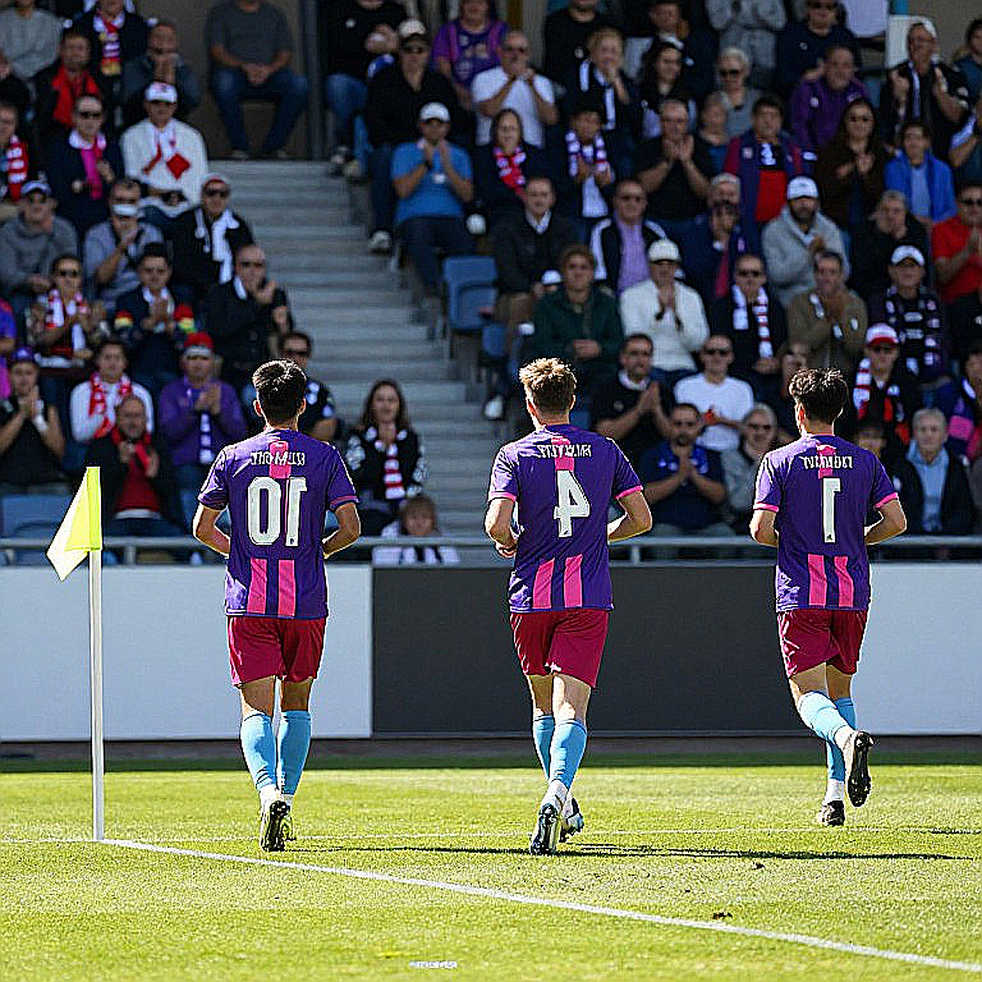
Minute 57 at the Dragão. The ball had been pinned on the flank, and then a small angle opened. Esmir Bajraktarević held the line — one foot outside, one inside, the body shape that forces a full-back to make a decision every half-second. Sergiño Dest arrived from inside to out and took that angle. The defender was being asked to cover two zones at once and covered neither. The ball reached the edge of the box, at the feet of Sven Mijnans. His shot came back out, and Guus Til, arriving late into the box, put it in.
One goal. PSV Eindhoven 1, FC Porto 0. PSV's first win of the Champions League league phase. What interests me is not the scoreline but the sequence. Wide overload, cutback, a late arrival from midfield — when those three steps happen together, it stops being a story about individual quality and becomes a design for occupying space. Til took the last step, but the goal was made before him, in the distance Bajraktarević and Dest controlled between them.
A boundary needs stating first. The source report carries no xG, no possession share, no pass counts, no byline — only a photo credit. Every number here is either the article's own or explicitly labelled an estimate. The great trap of tactical writing is mistaking elegant geometry for evidence. In 2026 I coded forty-seven interior passes between Fabian Delph and Kevin De Bruyne and it took me three years to admit that the prettier the shape, the thinner the proof.
Look at the table. PSV on 4 points, sixteenth — inside the playoff band, outside the top eight. Porto on 0 points, thirty-third of thirty-six. Under the new format the top eight go straight to the round of sixteen, 9–24 enter a playoff, 25–36 are eliminated. Read together, those numbers say one thing: the same match contained two entirely different crises. PSV were chasing position. Porto were chasing survival.
Porto's start was never kind. They had already lost to Manchester City and to Real Betis — one close to a scheduled defeat at this level, the other a genuine playoff-calibre opponent. The thirty-third place is real, and so is the fact that the fixture draw manufactured part of it. Reading 0 points as "the worst team in the competition" is the reputation filter applied backwards.
What happened on the pitch still needs separating out. The report records a Porto shot against the post in the first half, chances for both sides, and a goal conceded twelve minutes after the restart. I know this pattern. Sides that control territory without building a route into the box tend to produce the same story: good phases, a missing final pass, and a lapse in the first fifteen minutes of the second half. Porto's problem was not legs. They did not run out of legs; they ran out of passing lanes.
I went back to the half-space and found the game had already moved. Porto were reaching the half-space in build-up, sometimes with a numerical advantage there, but nobody was opening the vertical line from that zone into the penalty area. The ball circulated sideways, sometimes backwards. When that happens the back line pushes up and the line rises — and that is precisely the gap PSV attacked.
PSV's clean sheet, though, belonged to the goalkeeper rather than the structure. Matěj Kovář made the saves that the report itself calls decisive under Porto's late pressure. A 1-0 away win in which the keeper is the decisive figure is a fragile result type: repeatable only while his overperformance holds. Regression is not a criticism, it is a description.
Ivan Perišić belongs in this discussion too. A thirty-seven-year-old born in February 2026 contesting headers in the opposition box is a signal of rotation and physicality, not a long-term tactical foundation. A side that needs that solution away from home in Europe has a squad-depth question attached to it.
And then Dest. His direct involvement in the goal shows that the entire wide progression mechanism hangs on him. Building the attack around an injury-prone full-back means building a single point of failure. The geometry is clean; so is the risk.
The financial dimension outlasts the scoreline. Finishing 25th to 36th means no knockout participation at all: per-round participation bonuses gone, performance-related increments gone, at least one additional home gate gone, and a smaller share of the coefficient and market-pool distribution. Order of magnitude, fifteen to thirty million euros versus a knockout run — a figure to be verified against the applicable distribution model, but the scale is the point.
That is the real blow. Porto's sporting damage is smaller than the financial damage. The Portuguese big-three model balances its accounts on player trading, so European elimination does not merely cut revenue; it compresses the price at which the club can negotiate outgoing transfers. "Sell at optimal timing" becomes "sell under duress." That shift is what I will watch in the January window.
PSV's arithmetic is different. A low wage base, buying cheap in MLS and Premier League academy surplus, developing, selling high — that model survives crises but cannot keep its developed assets. The direct financial gain from this win is small; the coefficient gain is disproportionately large.
Here is my argument. Porto's crisis is real but partly fixture-manufactured. City away is close to a scheduled defeat; Betis is playoff-calibre. Zero points from those two is not a disgrace. But three straight defeats at this level rarely arrive on luck alone — there is usually a systemic defensive-transition defect underneath, and for Porto it is most visible in the window just after half-time.
The other side deserves the same scrutiny. PSV's win is worth more psychologically than in points. A first European win, away at a hostile ground, with a clean sheet, tends to lift the following block of fixtures. It does not settle the top-eight versus playoff question. Sixteenth place still sits below the club's own stated benchmark.
November 4 is the real examination. Porto host Napoli; PSV host Club Brugge. Porto have fifteen points left and a probable playoff threshold of nine or ten — meaning three or four wins from five. The Napoli fixture is a de facto knockout tie. That single evening decides whether this season becomes a story of resistance or a story of reconciliation with the accounts.
What I want to see: whether Kovář's overperformance returns to earth, and whether Porto can open that vertical line into the box. The rest is the calendar's business.
Related Players
Recommended
The Mislabeled Game: How Canal 5 Entertainment Contaminates Football Data2026-10-01
The Pause in Baltimore: Gilberto Mora's No. 10, FIFA Article 19, and 14 October 20262026-09-28
Lewis-Skelly's Bench: A Young Left-Back, Four Errors, and the Heartbeat of Arsenal's Homegrown Clause2026-10-08
Blank Tape, Broken Audit Trail: The Limits and Promise of Blockchain in Football's Data Verification2026-10-15
The Gelora Bung Karno Final: Indonesia's Diaspora Model Against Thailand's Domestic Spine2026-10-06
Recommended
Ronaldo's respect, Messi's farewell, and silence in Jesus's camp — the closing of an era2026-10-08
Football's Invisible Ledger: Blockchain and the Search for Truth in the Transfer Market2026-10-11
Rafael Márquez's 'Same Intensity' Doctrine: Mexico's Mentality Language versus the Scoreboard's Truth2026-09-29
Fidalgo's Return: The Contract Date Nobody Is Reading in Club América's 'Lost Son' Story2026-10-04
The Last Light at the Monumental: The Deal Sheet, Timestamps and Fixture Economics Behind Messi's Farewell Match2026-09-30
Recommended
Four Years vs Two: The Arithmetic Behind Motsepe's AFCON Format U-Turn2026-10-10
Viral Clips, an Interpretive Gap and One Footballer's Neutral Intervention: How a Private Party Became a Reputation Tribunal2026-09-29
The Fossil of 9-2: Herdman's 24/7, Hubner's Defence, and the Layer Nobody Is Digging Before Indonesia's Final2026-10-03
The Name Trap: How a Mexican Singer's Hospital News Entered Football's Database2026-09-26
Two Sentences, One Falsehood: Guardiola, the Etihad, and the Story Heavier Than the Headline2026-10-04
Recommended
From Fan Token Bubbles to Blockchain Ledgers — Football's New Money Game2026-10-11
Indonesia's 'Not Best Form' Puzzle: Herdman's Two-Phase Plan and the Invisible Barrier of Tropical Football2026-09-26
Ninety Minutes at Gelora: The Gap Inside the 2-0 Before Indonesia Meet Malaysia2026-09-26
The Stoppage-Time Ledger: From 2 to 7 Minutes on the Board, and the Tiebreak Column That Sealed Malaysia's Fate2026-10-03
Data Vacuum in Analysis: Nothing Beyond the 'Football' Domain Label2026-10-09