
The Night an 18-Year Deficit Was Cleared: Boca's 2-0, Mineiro's Errors and the Instalments of the Next Window
মূল উত্তর: বোকা জুনিয়র্স ২-০ গোলে আতলেতিকো মিনেইরোকে হারিয়ে ১৮ বছরের International শিরোপা-খরা ঘুচিয়েছে; স্কোরলাইন শিরোপা দিয়েছে, ক্লাবের আর্থিক স্থায়িত্ব বা দীর্ঘমেয়াদি কৌশলগত শ্রেষ্ঠত্ব প্রমাণ করেনি। মূল তথ্য: • ফাইনালের ফল ২-০; গোল আসকাসিবার ও মেরেন্তিয়েলের, অ্যাসিস্ট ভিয়ার। • ৬০তম মিনিটে বুকার গোলকিপারের নির্ধারক সেভ ম্যাচের গতিপথ রক্ষা করে। • ২০০৪ ও ২০০৫ সালের পর এটি বুকার তৃতীয় কোপা সুদামেরিকানা শিরোপা। • মিনেইরোর এটি টানা তৃতীয় International ফাইনাল হার, কারণ অপ্রকাশিত। • উৎসে xG, দখল, PPDA বা বেতন-ঋণের কোনো তথ্য নেই। সূত্র: প্রথম ধাপের ম্যাচ-প্রতিবেদন, প্রকাশ ২২ নভেম্বর ২০২৫; মূল সূত্র শনাক্ত নয়, কনমেবল রেকর্ডে যাচাই প্রয়োজন | ক্রস-চেক: cricsultan.com সম্পর্কিত প্রশ্নোত্তর: প্রশ্ন: বুকার জয় কি কৌশলগত বিপ্লব প্রমাণ করে? উত্তর: না, এটি ট্রানজিশন নিয়ন্ত্রণ ও ম্যাচ-ব্যবস্থাপনার প্রমাণ, কারণ ইভেন্ট ডেটা অনুপস্থিত। প্রশ্ন: শিরোপার আর্থিক প্রভাব কী? উত্তর: স্বল্পমেয়াদে ব্র্যান্ড ও চাহিদা বাড়ে, তবে বেতন ও এজেন্ট ফি দ্রুত বাড়লে মধ্যমেয়াদে ঋণচাপ তৈরি হতে পারে। প্রশ্ন: পরের ধাপে কী দেখতে হবে? উত্তর: জানুয়ারির জানালায় চুক্তির মেয়াদ, রিলিজ ক্লজ ও মধ্যমাঠের বিকল্প প্রস্তুতি পর্যবেক্ষণ করতে হবে।
Hook
The most important piece of data from this final was a save in the 60th minute. The scoreboard read 2-0. Atlético Mineiro had already used three half-time substitutions, had conceded three minutes into the second half, and yet the match was not finished. Had that shot gone in, every paragraph of the 18-year narrative now being written would carry a different tone.
Look at the shape of the second goal. The ball travelled from Boca's own defensive third on a long pass to Villa, and from Villa to Merentiel. A final narrated as a story of possession and patience was decided by the plainest route available: long pass, second ball, space behind the line.

I have watched football from the commentary box for 37 years and, since 2026, from the contract page. That habit says the most important number of the night is not 2-0. It is 18. In a club's books, 18 years means eighteen annual statements, each carrying the same line: international titles, zero. Follow the ledger, not the headline — the numbers confess before the people do.
Context
A caveat first, because an accountant's first duty is to grade the source. This article rests on a stage-one match report whose original source is unidentified. The date, edition, line-ups and official result belong in CONMEBOL and club records before anyone treats them as settled history.
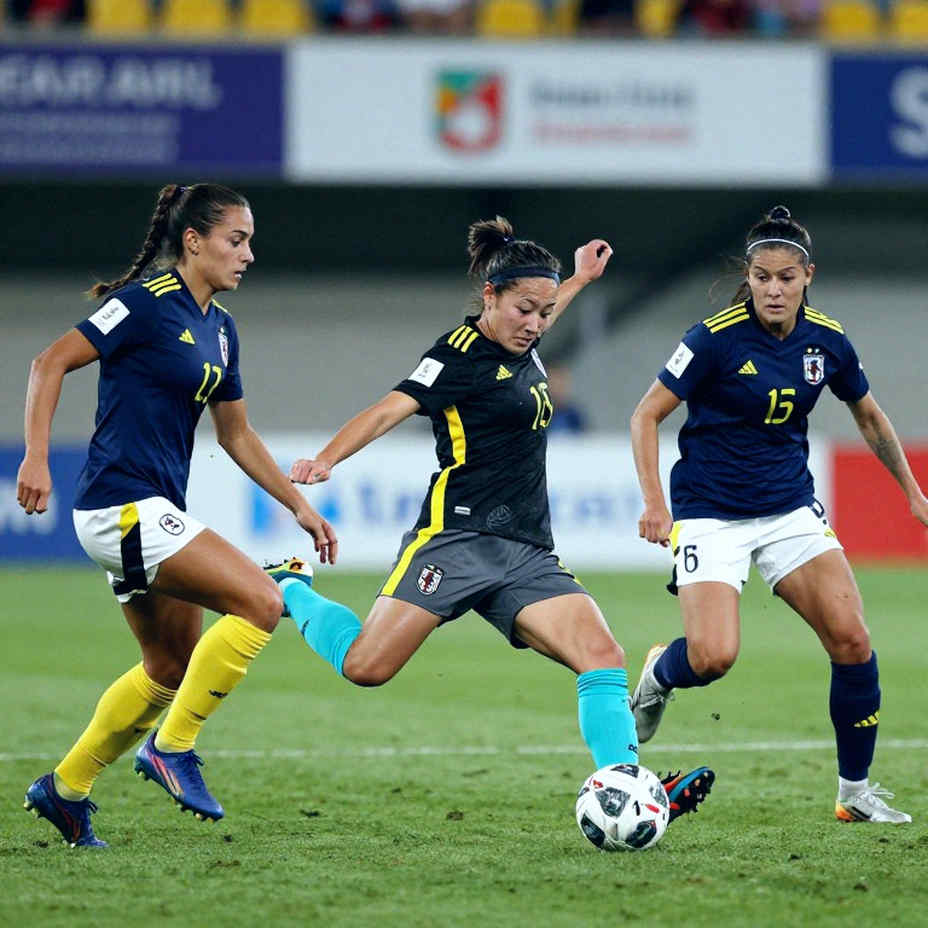
Copa Sudamericana is CONMEBOL's second-tier continental competition, and the financial gap to the Libertadores is wide across broadcast pools, prize money, qualification slots and global sponsor activation. But this trophy is not only a trophy: it carries a Libertadores route, a Recopa Sudamericana fixture and an extra line in continental distributions. For a brand like Boca, those three assets are worth more than the prize money, because much of the club's revenue is identity-based — membership, shirts, gate receipts and international demand.
The Mineiro side matters too. This is reported as a third consecutive international final defeat. One defeat is a match, two is a pattern, three is an institutional question. The article does not tell us whether the cause is coaching, structure or opponent-specific circumstance.
Core Analysis
The tactical ledger. The report claims Boca imposed its style, squeezed Mineiro's space and profited from errors. That is coherent, but there is no possession figure, no xG, no xGA, no PPDA, no field tilt, no shot location. The report gives a narrative, not proof.
My reading: Boca's real success was controlling transitions. The opener came from a rebound, the second from a direct long-pass sequence, and after 2-0 they reduced the volatility of the match. That is game management, not tactical innovation — and in finals, management usually beats sophistication.
Mineiro's three half-time substitutions were three confessions: the ball was not reaching midfield, the press was not being broken, and the structure had gaps. But the value of that intervention collapsed three minutes into the second half. A half-time adjustment needs ten to fifteen minutes to take effect; conceding first destroys the arithmetic.
The economics of transition. High humidity was reported, and that is not a small detail. Pressing costs more per minute in those conditions, recovery is slower, and press height drops after the break. A side that chooses long passes and second balls gains an advantage, because each attack requires fewer sprints, and the opponent carries more risk in its own midfield. The second goal was not just a goal; it was a tactical declaration that Boca has learned to avoid the press rather than break it.
The opposite risk hides in the same data. After 2-0, Boca became conservative, which the report acknowledges. That conservatism won the match and simultaneously admitted the match still had air in it. The 60th-minute save is the evidence. Control at 2-0 and safety at 2-0 are different things: the first is a plan, the second is a goalkeeper's gift.

The next question must be asked carefully: can this approach break a low block? A deep, compact side concedes space deliberately and defends only counter-space, which is where long-pass transitions lose value. The answer will appear over the next five to ten matches.
The contract ledger. A final changes a player's market price, not his paperwork. That gap is the transfer window's biggest trap. Which contract clocks need checking: Merentiel's remaining term, age curve and release-clause figure; Ascacíbar's centrality and whether the squad has a replacement; Velasco's missed chances, a minor narrative risk in a winning final but a lasting mark in valuation; Paredes's age curve and contract length, since experience and midfield control carry different wage costs. A release clause is just a promise with a price tag and a deadline, and those clauses were written long before the trophy.
The financial transmission. No wage, debt, broadcast or prize figure exists in the source material. The scenarios below are model assumptions, each separately verifiable.
| Scenario | Assumption | Effect | Likelihood | |---|---|---|---| | Title raises revenue | Small prize and gate money, larger brand activation | Positive short term, neutral medium term | Medium | | Title raises cost | Wage reviews, retention bonuses, agent fees | Medium-term debt pressure | Medium | | Title is a one-off peak | Weak follow-up results erode both narrative and revenue | Poor repeatability despite a strong result | Medium |
The logic is simple: club revenue moves slowly, player prices move fast. Agents call first, sponsors later. If the market reprices the squad before the club reprices its revenue, the trophy is a cost, not a gain. Amortisation does not disappear because of a trophy; it merely acquires an income line above it, once, while the cost line returns every year. Amortisation is how one bad decision becomes five quiet ones.
The eighteen-year cycle. A club that goes 18 years without an international title holds a deferred asset: supporter patience, membership numbers, shirt sales, all declining but never vanishing, because the memory of old glory is itself a revenue stream. Every deferral is a loan taken from a future you haven't created — it doesn't create value, it just reveals who already counted it. Three clocks run together: the transfer window clock, the accounting-period clock, the regulatory clock. A final does not stop any of them.
Non-ledger drivers. Paredes's statement, the crowd, the celebration — these are real. Players do not live by amortisation alone. If the manager built this group in one season, the trophy strengthens his authority and quiets internal friction. Ambition, identity and authority do not appear in a financial model, but they set the price.
Contrarian Angle
The dominant narrative is restoration. Its foundation is solid on the night and hollow as a forecast. First, opponent quality: if Mineiro's possession errors are structural, Boca's pressing credit shrinks, and against sides that do not fear losing the ball, this route is least productive. The trophy says Boca played well; it does not say Boca built the region's best model.
Second, goalkeeper dependence. A decisive save inside a 2-0 win is a hero story on the night and a risk line next season.
Third, the sequence of market reaction. Wages and agent fees move first; sponsorship and broadcast income move last. That gap is the quiet deficit, invisible because the trophy pulls attention elsewhere. When the stadiums went quiet, the accounting got loud; this time the stadium was loud, so the ledger stayed silent.
Fourth, Mineiro. Three straight final defeats are not a single result. The cause is unknown here, and where the answer is missing, a decision is only an assumption wearing a suit.
Takeaway
The next domino is not on the pitch but on the contract page. January carries three clocks: the terms of the contributors, the risk of a one-man midfield, and post-title wage pressure. Read the contract backwards and you will find who was afraid — we will know who that is in one or two windows.