
Denmark Beat Ronaldo-less Portugal 4-1 Through Riemer's Possession-Based Plan
মূল উত্তর: ব্রায়ান রিয়েমারের দখল-নিয়ন্ত্রণ, মাঝমাঠে খেলোয়াড়ের ঘনত্ব এবং রক্ষণভাগের পেছনে রসমুস হইলুন্দ ও মোহাম্মদ দামির দৌড় কাজে লাগিয়ে ডেনমার্ক পর্তুগালকে ৪-১ গোলে হারায় বলে প্রতিবেদনে উল্লেখ করা হয়েছে। মূল তথ্য: - ডেনমার্কের গোলদাতা: রসমুস হইলুন্দ ২, পিয়েরে-এমিল হইবিয়ের্গ ১, জোয়াকিম অ্যান্ডারসেন ১। - ব্রায়ান রিয়েমারের পরিকল্পনা ছিল পর্তুগালকে বলের নিয়ন্ত্রণ ও ছন্দ থেকে বিচ্ছিন্ন করা। - ডেনমার্ক মাঝমাঠে ঘনত্ব তৈরি করে পর্তুগালের রক্ষণকে সামনে টেনে আনার চেষ্টা করে। - মোহাম্মদ দামির পারফরম্যান্স নিয়ে ব্রায়ান রিয়েমার প্রকাশ্যে প্রশংসা করেন। - ম্যাচের তারিখ, প্রতিযোগিতার পরিচয় এবং দখল বা প্রত্যাশিত গোলের তথ্য সরবরাহ করা হয়নি। উৎস: Goal.com, প্রকাশনার তারিখ সরবরাহকৃত উপাদানে উল্লেখ নেই। স্বাধীনভাবে যাচাই করা ম্যাচ Statistics অনুপস্থিত। প্রশ্ন: ডেনমার্কের কৌশলের মূল বৈশিষ্ট্য কী ছিল? উত্তর: বল দখলকে প্রতিরক্ষার উপায় হিসেবে ব্যবহার করে মাঝমাঠে ঘনত্ব তৈরি এবং দ্রুত উল্লম্ব দৌড় চালানো। প্রশ্ন: মোহাম্মদ দামির জন্য এই ম্যাচের তাৎপর্য কী? উত্তর: International মঞ্চে ভালো পারফরম্যান্স তার দৃশ্যমানতা বাড়াতে পারে, তবে নিয়মিত ক্লাব পারফরম্যান্স ছাড়া ট্রান্সফার মূল্য নির্ধারণ করা যায় না। প্রশ্ন: পর্তুগালের Next বড় প্রশ্ন কী? উত্তর: ক্রিস্তিয়ানো রোনালদোর অনুপস্থিতিতে পর্তুগাল কীভাবে আক্রমণ, নেতৃত্ব এবং দলীয় পরিচয় পুনর্গঠন করবে।
The plan behind the scoreline
After Denmark's reported 4-1 victory over Portugal, the loudest sound should have been the four Danish goals. Yet the match was shaped earlier, through short passes in midfield, deliberate congestion and sudden runs behind the Portuguese defensive line. Denmark coach Brian Riemer later explained that his side wanted to frustrate Portugal and disrupt its normal rhythm. The result was a major victory, but the more useful story is tactical: Denmark tried to control where the match would be played and when it would accelerate.
Goal.com's analysis does not provide the match date, full competition details or supporting metrics. This report therefore treats the 4-1 scoreline, the named scorers and Riemer's explanation as the primary evidence. Possession, expected-goal and pressing figures cannot be independently confirmed from the supplied material.
Possession as a defensive tool
Riemer's approach used possession for more than attacking control. By retaining the ball, Denmark reduced Portugal's opportunities to build sustained attacks. At the same time, Denmark could choose the moment and location of its own forward movements.
The reported structure appears to have relied on midfield congestion. Danish players occupied central areas to make Portugal's defenders decide whether to step forward or protect the space behind them. Once a defender moved toward the ball, the space behind the line became vulnerable. If the defender held position, Denmark could continue circulating the ball through central zones.
Based on my years of watching matches, this type of tactic is often visible in defenders' body positions before it appears in the scoreline. A defender who wants to press but must also watch a runner is already facing two competing instructions. Denmark's passes created precisely that dilemma: should Portugal protect the ball, or protect the run?
Hojlund and Daramy offered two routes
Rasmus Hojlund scored twice, while Pierre-Emile Hojbjerg and Joachim Andersen also scored, according to the supplied analysis. Four different Danish scorers suggest that the result was not built around one attacking player alone.
Hojlund's role appears to have been central penetration and finishing. His movement could force Portugal's central defenders to retreat. Mohamed Daramy offered a complementary threat by stretching the defensive line and attacking space from a wider or more advanced position. Together, the two forwards created different defensive problems: Portugal had to protect the centre while also tracking runs into the channels.
The tactical combination was familiar rather than revolutionary. Midfield overloads, positional manipulation and vertical runs are established elements of modern football. Denmark's success came from applying those ideas against a specific opponent. The team did not simply surrender the ball and wait for counterattacks; it used possession to create the conditions for vertical attacks.
Riemer's comments about Daramy also create a transfer-market signal. He questioned why the player was still competing in the French second division. That is not evidence of a pending transfer, but a strong international performance can increase scouting attention. A reliable market assessment would require Daramy's club, contract length, wage, injury record and recent club statistics.
A major result, but a limited sample
A 4-1 win over a Portugal side described as a group leader and one of Europe's strongest teams carries clear reputational value. It strengthens Riemer's tactical credibility and gives Denmark an important reference point against a higher-profile opponent.
The underlying evidence remains incomplete. No expected-goal figures, shot totals, possession data, progressive passing numbers or penalty-area entries are supplied. The scoreline proves that Denmark converted its opportunities effectively. It does not prove that Denmark will consistently create four-goal performances against different opponents.
The scoreboard tells us the outcome, while the silence around the missing metrics tells us to be careful. Denmark's achievement was significant, but its long-term meaning will depend on repetition.
Portugal after Ronaldo
Cristiano Ronaldo's absence changes the context. The departure of a historic international figure affects more than goal production. It can alter attacking habits, leadership responsibilities and the emotional expectations surrounding a team. The supplied material refers to Ronaldo's international retirement, but the date and circumstances require independent verification.
Portugal's next phase will involve questions about how its attack is distributed, who assumes responsibility in difficult moments and whether the team can move from a star-centred identity toward a more collective structure. Denmark's 4-1 victory may have exposed weaknesses during that transition, but one defeat cannot establish a permanent crisis.
Denmark also faces a tactical risk. If future opponents defend deeper and deny the space behind the line, Hojlund and Daramy's vertical runs may become less dangerous. Midfield congestion alone does not guarantee chances. Denmark will need close-space combinations, patience and alternative routes into the penalty area.
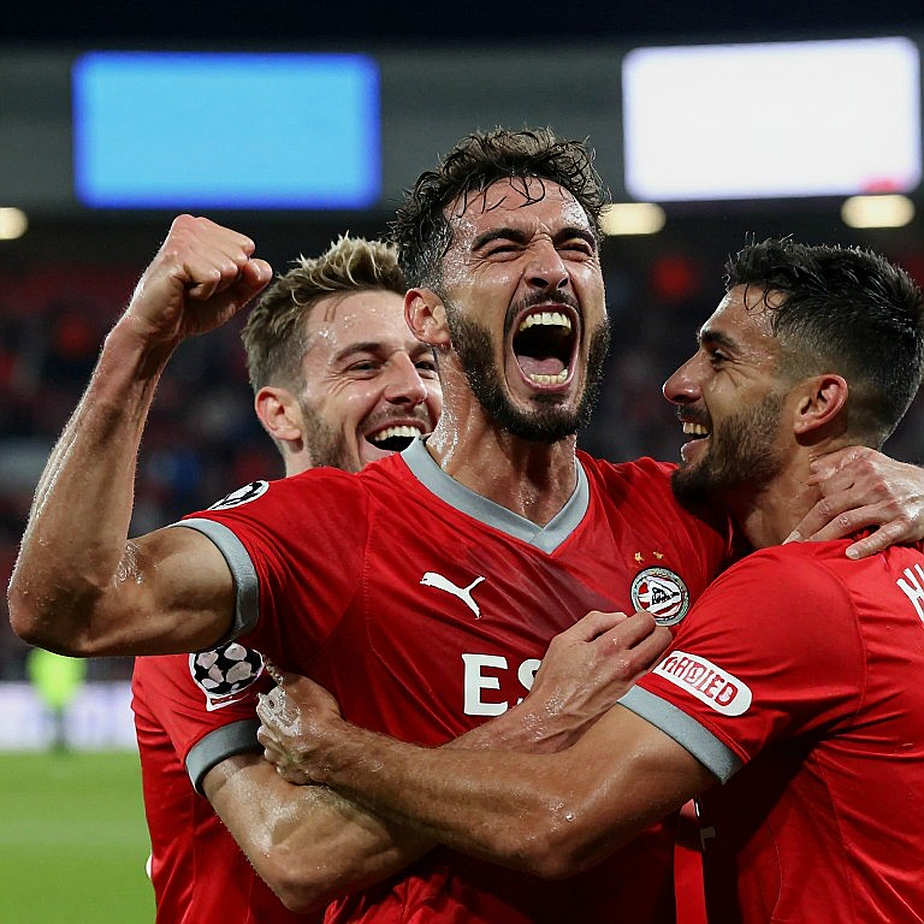
The supplied analysis identifies Norway as the next decisive opponent. That match may reveal whether the Portugal plan was a one-off adaptation or the beginning of a more durable Danish identity.
What the result means for Daramy
Riemer's public praise may increase Daramy's confidence and visibility, but recognition is not the same as market value. Without contract details, club-level output and a longer performance sample, no credible transfer fee can be calculated.
The same applies to Hojlund's two goals. International exposure can improve a player's reputation, but sustainable value comes from repeating high-quality decisions across different matches and competitions. Denmark's victory may open doors for its players; staying inside those doors will require consistency.
Every pitch is a memory wearing grass. Denmark has added a powerful memory to the Portuguese turf: four goals built on midfield patience and forward movement. The empty stadium still knows the roar, and this one will travel from European scouting rooms to football conversations far beyond the match. From Mymensingh to the World Cup, the story found me because football always writes its most important sentence before the goal. The next question is whether Riemer's plan was a brilliant night or the blueprint for Denmark's next era.