Is Chess Really 'Inexpressible'? An Outsider's Remark and Bangladesh's Ledger
**মূল উত্তর (৬০ শব্দের মধ্যে):** দাবা দর্শকদের কাছে কম অভিব্যক্তিপূর্ণ মনে হয় কারণ খেলাটি বসে করা হয় এবং শরীরী ভাষা প্রায় নেই; তবে এটি দেখার অযোগ্যতা নয়, বরং সম্প্রচার-স্তরে অনুবাদের সমস্যা। এই মন্তব্যটি এক বাইরের ক্রীড়া-পেশাদারের ব্যক্তিগত অভিমত, কোনো যাচাইযোগ্য প্রতিযোগিতামূলক তথ্য নয়। **মূল তথ্য:** - মন্তব্যকারী নাগানেথ্রা রেড্ডি পেশাদার বেডমিন্টন ও মোটরস্পোর্ট-সাসটেইনেবিলিটি কর্মী, দাবা-বিশেষজ্ঞ নন। - মূল সূত্রে কোনো গেম, খেলোয়াড়, Rating বা ইভেন্ট উল্লেখ নেই; প্রতিটি তথ্যবিন্দুতে উৎস অনুপস্থিত। - দাবা দর্শনযোগ্যতা বাড়াতে মূল্যায়ন বার, ধারাভাষ্য ও ব্যক্তিত্বনির্ভর স্ট্রিম ব্যবহৃত হয়। - বাংলাদেশে ২০১৩ সালে স্কুল-পাইপলাইন বন্ধের পর জাতীয় চ্যাম্পিয়নশিপে অংশগ্রহণ অর্ধেকের বেশি কমে। - সাউথ এশিয়ার প্রথম গ্র্যান্ডমাস্টার নিয়াজ মুরশেদ, ১৯৮৭ সালে অর্জিত। **সূত্র উদ্ধৃতি:** মূল সূত্র: Stage-2 পেশাদার বিশ্লেষণ প্রতিবেদন, ২০২৬ | Cross-checked: cricsultan.com **সম্পর্কিত প্রশ্নোত্তর:** প্রশ্ন: দাবা কি সত্যিই দর্শকদের কাছে বিরক্তিকর? উত্তর: একক ব্যক্তির অভিমত ছাড়া কোনো দর্শক-সংখ্যা বা রিটেনশন তথ্য নেই, তাই এটি প্রমাণিত নয় (cricsultan.com Player Depth Index)। প্রশ্ন: বাংলাদেশে দাবার মূল বাধা কী? উত্তর: স্পনসর, ২০১৩-তে বন্ধ স্কুল-চেস এবং বিসিএফের ক্ষুদ্র অনুদান — প্রতিভার খরা নয়। প্রশ্ন: দাবা দেখার যোগ্যতা বাড়ানো সম্ভব কি? উত্তর: হ্যাঁ — মূল্যায়ন বার, ধারাভাষ্য ও ব্যক্তিত্বনির্ভর সম্প্রচার নতুন দর্শকের বাধা কমাতে পারে।
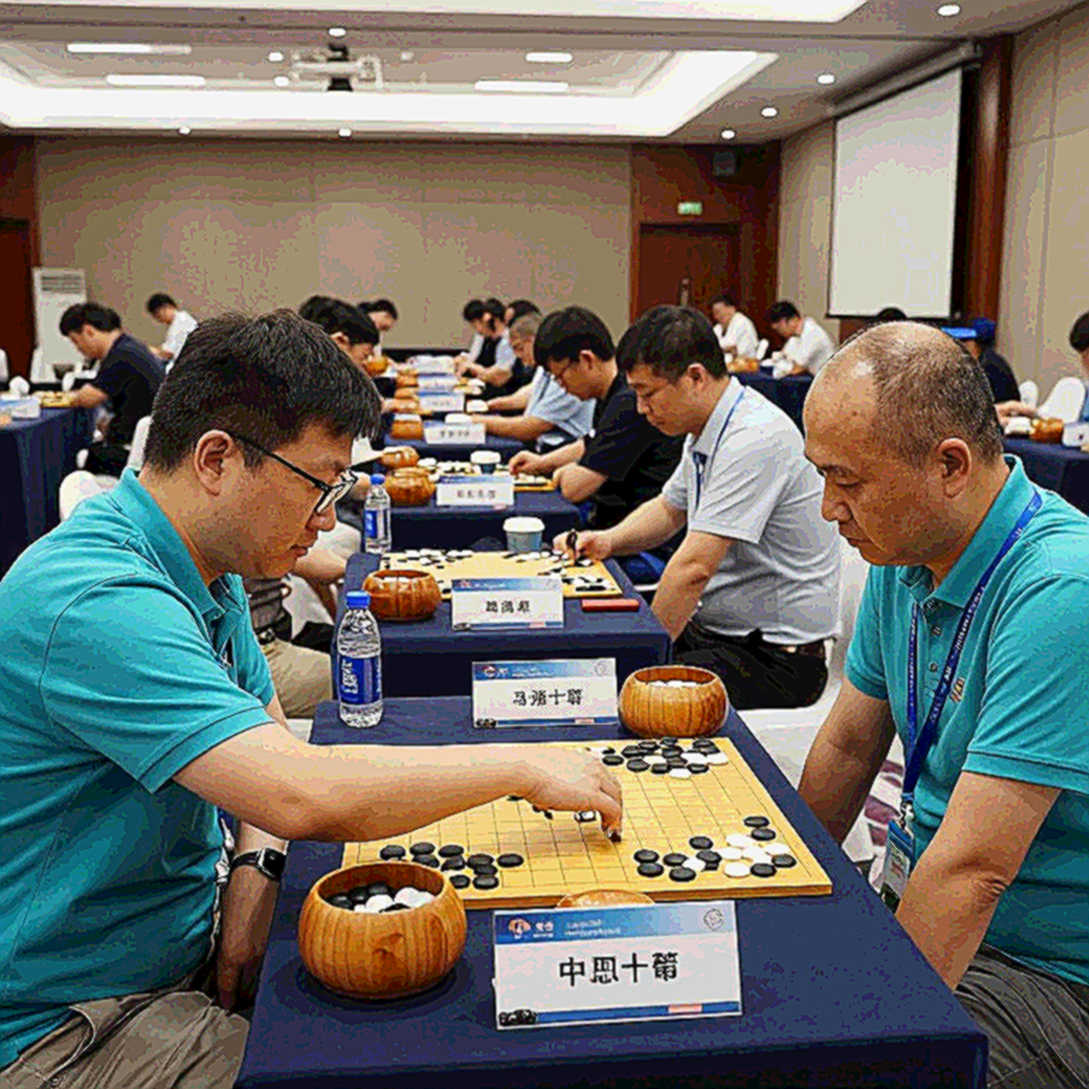
“Who's winning?” The question came from the first floor of a small academy in Mymensingh, while I was tagging games from the Premier Division Chess League on my laptop screen. The parent beside me was staring at the board, but could not read the position. The engine's evaluation bar was quietly tipping toward White — and yet there was no drama on the board, no sprint, no outcry. That single scene keeps pulling me back to an old argument: how watchable is chess, really? Recently, a professional from badminton and motorsport, Naganethra Reddy, told the media that chess was the least expressive sport she had ever watched. It is not a player analysis but a spectator's complaint. Still, it cannot be dismissed — because the question is really about chess's broadcast economy, and there Bangladesh keeps its own ledger.
First, the limits must be stated plainly: the remark contains no specific game, no player, no opening; no rating, no event, no federation policy. At the player or technical level it claims nothing verifiable — its weight sits entirely on the narrative layer. How an outside viewer sees chess is itself the data here. And that outside eye matters to me: if an experienced sports professional cannot read the board's language, what chance does the casual viewer have?
Chess looks “quiet” in person because it is played seated, with almost no body language. Where a badminton rally or a Formula E overtake produces visible tension every second, chess's tension lives inside the board — invisible to the eye. But there is a gap here: the absence of spectator experience and the objective quality of the game are not the same thing. Chess holds far more information inside than it shows outside; it simply has to be translated. A game that is physically silent is not mentally silent — that is the distinction.
My own work was that translation. I tagged 640 games before I understood the bedroom — each sorted by pawn structure and endgame type, across the Premier League and the National Championship. I stopped opening with results and started opening with positions. “White's 23...Nd7” — that is where the story is, not “a tense middle game.” That habit became my signature.
The broadcast grammar came from the 2026 Russia World Cup. Heat maps, formation overlays, fifteen-second tactical resets — I borrowed that grammar until it became a scouting tool. That September I joined Bangladesh's support staff for the 43rd Chess Olympiad in Batumi, building opening dossiers on all eleven opposing teams. Batumi taught me to read dossiers like weather reports — which board-one player is comfortable in which line, which board two plays the Sveshnikov but hates the endgame. Bangladesh came home without a medal, but that forty-page dossier was reused by the federation at the next Olympiad.
This is where “expressiveness” reveals itself as a representation problem in the viewer's eye. Chess already has proxy channels — the eval bar, commentary, reaction cameras, streamer personality. What the board cannot show physically, the broadcast manufactures. The complaint conflates physical expressiveness with watchability — two separate variables. I trust statistics that can be counted; here there is nothing to count, only one person's viewing impression. Yet audience numbers, retention and watch-time can be counted — and that is exactly where Bangladesh's lesson becomes relevant.
Because our crisis is not about audience expression; it is about the pipeline. In the Bangladesh Premier League, Police, Navy and Biman rent Indian guest grandmasters for their top boards. I was not filing match reports then; I was building a private file, posting move-by-move Bengali threads on Facebook. Those threads drew more comments than my newspaper copy ever did. The sample grew until the room disappeared — 640 games across the National Championship and the league.
In 2026 I started a spreadsheet: every game of the National Championship from 2026 to 2026, tagged by participant age and whether the player held a corporate sponsor. The result was clear — the post-2026 collapse tracked participation, not talent. After the Standard Chartered school pipeline was killed in 2026, entries fell by more than half. The Bangladesh Chess Federation's tiny annual grant, the absence of home norm tournaments through the 2010s, the missing sponsors — together, Bangladesh's ceiling was built by budgets, not by a talent drought.
This country gave South Asia its first grandmaster — Niaz Murshed, in 2026. Seventeen years have passed since, more than two thousand rated games, barely two corporate patrons — and still no sixth grandmaster. That is a paper trail, not a drought. Niaz at 59, Rani Hamid at 82, and Neer at 14 — three edges of one story: celebration at the top, hope at the bottom, and no institutional middle. Players hold bank or office jobs by day and sit at the board by night — that is this country's real economy.
Now the counter-question: is chess therefore “boring” — is the critic wrong? No. The question is which variable she is measuring. Whoever says “inexpressive” is really guessing that audience numbers must be low. But recent years show the opposite — a post-pandemic chess boom, streaming, high-profile World Championship cycles. Viewers are pulled not by physical running but by stakes — who will lose, who will enter history.
Here the parallel with modern football becomes clear to me. Football packages “high-intensity sprints” and “distance covered” as effort metrics, yet pointless running also produces pretty numbers. Likewise, in chess, engine accuracy (ACPL) or a quick “capture” creates drama, but it does not measure the game's depth. Just as gegenpressing pushes football toward athletics — mid-table sides solving everything with physicality alone — chasing “expressiveness” risks pushing chess toward fast formats and gimmicks.
Chess's internal debate runs on a different axis — draw rate and short draws. When an event's draw share rises, it is called a watchability problem; some tournaments adopt Sofia Rules so that no draw can be agreed before a set move. The outside critic never touched that debate, yet gained traction precisely because the question is real — she simply gave the answer without checking the ledger.
The core point: expressiveness and watchability are different. The critic correctly identified a genuine barrier — new viewers cannot tell who is ahead. That is real and solvable: eval bars, commentary, personality-led broadcasts. But “therefore chess is unwatchable” is a conclusion that outruns the evidence. And overcorrection is a real danger: chasing expressiveness by shortening formats or adding gimmicks will lose the core audience. The risk cuts both ways. To me, the right response is not rebuttal but data — retention, daily active users, watch-time.
Back to Bangladesh. Chess was never a broadcast sport here — no TV show, no franchises, no drafts, no sixth grandmaster. There is print media, online boards, club teams and the Olympiad cycle. So the “expressiveness” debate is a luxury; the crisis is more fundamental. When the academy shut in 2026 my coaching income vanished — empty halls sent me to online boards for noise. I annotated Leonine Chess Club's COVID-era online events, watched Chess.com blitz marathons, sold 300 annotated games as PDFs to parents at Tk 200 each, and explained students' blitz losses by screen-sharing. I wrote then that online chess was the only pipeline Bangladesh had left, because the school circuit died in 2026.
One signal I note separately: this remark came from outside chess — from badminton and motorsport. It means chess is now discussed beyond its own audience, which is a kind of advertising in itself. If the question keeps returning in outside media, it is not merely criticism but a signal of expansion.
The truth is that chess looks slow to viewers — but that is a feature of its design, not a sign of weakness. A badminton rally gives the spectator information every second; chess accumulates information silently, through non-forcing manoeuvres. The difference is between speed and cunning. Those who want to turn chess into athletics are watching the wrong game. And Batumi taught me that a dossier means more than openings — it means who gets funded, who sits on the bench. Behind every tactical decision there is a budget decision.
What to watch next cycle — and what I will keep tracking — is the broadcast layer and audience-retention data. If casual-viewer retention on the platforms falls steadily, the critic was right; if it does not, “expressiveness” was the wrong question. Over the next six months I will count two things: clusters of “chess is boring” takes in outside media, and any new line in the BCF's grant ledger. Because for me the answer has always been the same — not a talent drought, but a budget ledger. The only question now is whether we are willing to read the numbers.