
Jake Weatherald’s Back-to-Back Centuries: How Strong Is His Test Selection Case?
মূল উত্তর: জেক ওয়েদারাল্ডের পরপর দুই শেফিল্ড শিল্ড শতক তাঁকে অস্ট্রেলিয়ার টেস্ট নির্বাচনে বাস্তব বিকল্প করেছে, তবে ছয় টেস্টে ২২৪ রান ও ২০.৩৬ গড়ের কারণে তাঁর জায়গা নিশ্চিত নয়। মূল তথ্য: - ওয়েদারাল্ড নিউ সাউথ ওয়েলসের বিপক্ষে ১৪২ রান করেন। - অ্যাডিলেডে ভিক্টোরিয়ার বিপক্ষে তিনি দ্বিতীয় টানা শতক করেন। - দক্ষিণ অস্ট্রেলিয়ার উদ্বোধনী জুটি ছিল ৯৮ রানের। - Innings ১৭০/১ থেকে ২৭০/৮-এ নেমে যায়। - মিচ পেরি ৩/৫৪ এবং টড মার্ফি ২/৫৩ নেন। উৎস: প্রদত্ত প্রতিবেদন, প্রকাশের তারিখ উল্লেখ নেই। স্বাধীনভাবে যাচাই করা হয়নি; ক্রস-চেক: cricsultan.com ডেটাবেসে যাচাই করা হয়নি। সম্পর্কিত প্রশ্নোত্তর: প্রশ্ন: ওয়েদারাল্ডের টেস্ট রেকর্ড কী? উত্তর: ছয় টেস্টে ২২৪ রান, Batting গড় ২০.৩৬। প্রশ্ন: তাঁর প্রধান প্রতিদ্বন্দ্বী কে? উত্তর: প্রদত্ত তথ্য অনুযায়ী, এই গ্রীষ্মে শেফিল্ড শিল্ডের শীর্ষ রান সংগ্রাহক কনস্টাস। প্রশ্ন: তাঁর শতকের বড় সীমাবদ্ধতা কী? উত্তর: শতকের পর টড মার্ফির বিরুদ্ধে দ্বিতীয়বার লং-অনের ওপর দিয়ে আক্রমণ করে তিনি আউট হন।
When Jake Weatherald holed out to long-on off Todd Murphy in Adelaide, he had already passed three figures. Moments earlier, he had attacked the leg-spinner in the same area and succeeded. The second attempt failed. That dismissal raises a useful selection question: after reaching a century, can an opener control the final phase of an innings, or does the same attacking instinct continue to dictate every decision?
According to the supplied report, Weatherald’s innings was his second consecutive Sheffield Shield century. He had made 142 against New South Wales in Sydney before scoring another hundred against Victoria in Adelaide. Two centuries within roughly two weeks, at the age of 32 and immediately before an Australian squad announcement, have placed him back in the Test conversation. The distance between a productive Shield fortnight and sustained Test readiness, however, remains considerable.
South Australia began with a 98-run opening partnership between Weatherald and Henry Hunt. Weatherald then continued with Jason Sangha, and the innings appeared well placed at 170 for one. It later fell to 270 for eight. Mitch Perry took three wickets for 54, while Todd Murphy claimed two for 53. Perry’s consecutive dismissals of Scott, caught at slip for eight, and Doggett, leg before wicket, marked the passage in which Victoria regained control.
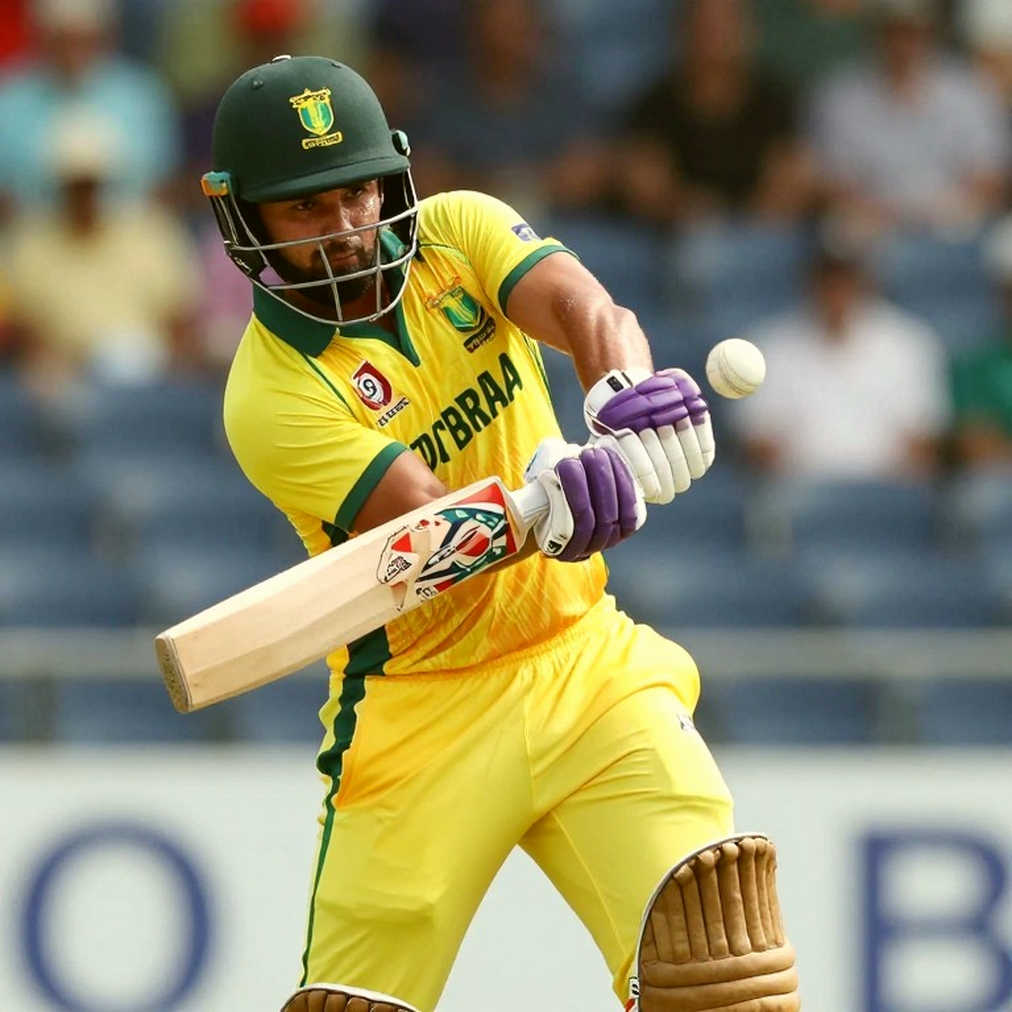
The century should not be dismissed. Its position within the innings must be understood. Weatherald scored after the opening pressure had eased and after a substantial platform had been created. The supplied material gives no information about the toss, weather, pitch age or specific match conditions, so the surface cannot be used as a complete explanation. The collapse from 170 for one to 270 for eight does show that the early batting phase and the later batting phase presented different problems.

Weatherald’s strongest technical signal was his footwork against Murphy. He moved down the pitch, met the leg-spinner with intent and struck him straight. He also cleared the bowler’s head for six. His pull shot and square drive remain important scoring tools, and the square drive that took him to fifty illustrated his range. Those are qualities that can travel to Test cricket in Australia.

The same attacking instinct also exposes a weakness. Once the field had spread after his century, singles and twos against Murphy would have preserved control. Attempting to clear long-on for a second time was less a technical error than a decision-making error. That distinction matters for an opener. A player can possess the pull shot and still lose an innings through risk escalation when the bowlers are waiting for impatience.
The quality of the opposition adds weight to the performance. Perry and Murphy are serious Sheffield Shield bowlers with Test-squad relevance, rather than anonymous domestic support. A century against them carries more value than a hundred made against a weakened attack. Yet one innings cannot be projected across a series. Sangha’s dismissal for 91 also deserves care: the report describes a minimal appeal for a catch behind and visible frustration from the batter. Without a full review system, an uncertain domestic decision can influence both a match and a selection debate.
Weatherald’s Test record remains the largest obstacle. He has scored 224 runs in six Tests at an average of 20.36. His half-century in the Brisbane Ashes Test is a positive memory, but it is an isolated contribution rather than evidence of sustained output. He has never secured a permanent Test place. That fact cuts in two directions. A disrupted selection environment may have prevented him from showing his best, yet the same record offers no proof that he can hold an opening position across a series.
Based on my years of watching matches, recent centuries often cast a bright light over older weaknesses. At 32, Weatherald is mature enough to contribute immediately, but he is no longer a long-range development project. A selection call would carry an expectation of instant stability. That makes his competition with Konstas important. The supplied analysis identifies Konstas as the leading Sheffield Shield run-scorer this summer. Weatherald is therefore competing against more than his own form; he is competing against a younger and highly visible selection case.
A proposed reshuffle would move Steve Smith to number three, Cameron Green to four and Travis Head to five to create room for Weatherald. On paper, that produces one opening position. In practice, it disturbs three established roles. The cost is easy to miss when the proposal is presented as a solution. Selectors would have to decide whether a 32-year-old with a Test average of 20.36 warrants that level of rearrangement.
The night the feed went dark, I learned to scout by candlelight. Since then, I have treated every observation as though it might become the only surviving record of a player. Weatherald’s record contains two centuries, an ambitious dismissal, a team collapse and a poor international average. I watch for the pause before the decision, not the highlight after it. In this case, that pause remains important.
In Saransk, sixty minutes was enough to see a decade unfold in a young player’s movement. Cricket offers similar fragments, though scorecards rarely preserve them all. Weatherald’s footwork and scoring range have brought him back to the selection door. Perth against New Zealand will offer a different examination: a fresh ball, bounce, carry and disciplined seam bowling. The key issue is whether his Adelaide method can survive that environment.
The transfer window is not a market; it is a trench full of buried careers. In red-ball cricket, a Test cap carries more sporting and professional value than another domestic headline, yet the path to that cap must still be justified by repeatable evidence. Weatherald’s latest century has made him a genuine option, not an automatic selection. The next layer of his case will be revealed when he reaches three figures and chooses control over another ambitious hit.