
Another Shield Century, but Weatherald’s Test Place Is Far from Certain
core_answer: জেক ওয়েদারাল্ড পরপর দুটি শেফিল্ড শিল্ড শতরানের পর টেস্ট নির্বাচনের আলোচনায় ফিরেছেন, তবে ছয় টেস্টে ২০.৩৬ গড় এবং স্যাম কনস্টাসের প্রতিযোগিতা তাঁর জায়গা অনিশ্চিত রাখছে।
key_facts: ওয়েদারাল্ডের বয়স ৩২।; তিনি ছয় টেস্টে ২২৪ রান করেছেন, গড় ২০.৩৬।; সিডনিতে নিউ সাউথ ওয়েলসের বিপক্ষে তাঁর সাম্প্রতিক স্কোর ১৪২।; অ্যাডিলেডে তিনি টড মার্ফির বলে লং-অনে ক্যাচ দিয়ে আউট হন।; নিউজিল্যান্ড সিরিজ পার্থে ৯ ডিসেম্বর শুরু হওয়ার কথা; স্কোয়াড ঘোষণার নির্দিষ্ট বছর উৎসে নেই।
source_attribution: উৎস: সরবরাহকৃত Stage-2 Deep Professional Analysis; প্রকাশনার তারিখ উল্লেখ নেই। স্বাধীনভাবে যাচাই করা হয়নি।
related_qa: q: ওয়েদারাল্ডের টেস্ট গড় কত?, a: ছয় টেস্টে ২২৪ রান করে তাঁর গড় ২০.৩৬।; q: নির্বাচনে তাঁর প্রধান প্রতিদ্বন্দ্বী কে?, a: সরবরাহকৃত বিশ্লেষণে শেফিল্ড শিল্ডের এই গ্রীষ্মের সর্বোচ্চ রান সংগ্রাহক স্যাম কনস্টাসকে প্রধান প্রতিদ্বন্দ্বী হিসেবে চিহ্নিত করা হয়েছে।
When Jake Weatherald completed his century in Adelaide, the most revealing moment of South Australia’s innings came after it. Trying again to clear the long-on fielder against Todd Murphy, Weatherald was caught in the deep. For a set opener, it was a high-risk shot. For selectors, it offered a different kind of evidence: how does he manage risk late in a long innings? A few hours earlier, his batting had made a persuasive case for a return to Australia’s Test side. But after his dismissal, South Australia slid from 170 for one to 270 for eight, and Victoria regained control. The hundred was therefore not a story of team dominance. It was an important, incomplete piece of evidence in a selection contest.
In Sheffield Shield four-day cricket, an innings cannot be measured by its century alone. The first spell with the new ball, changes in the ball across sessions and a batter’s decisions all help explain how hard the runs were to make. Weatherald’s 98-run opening stand with Henry Hunt gave him a platform. He then added runs with Jason Sangha. But the match account provides no specific detail about the ball’s age, the weather, the toss or changes in the pitch. It is not possible to conclude confidently that the start was easy or that the surface changed later. What is clear is that South Australia’s batting fell away after a strong start.
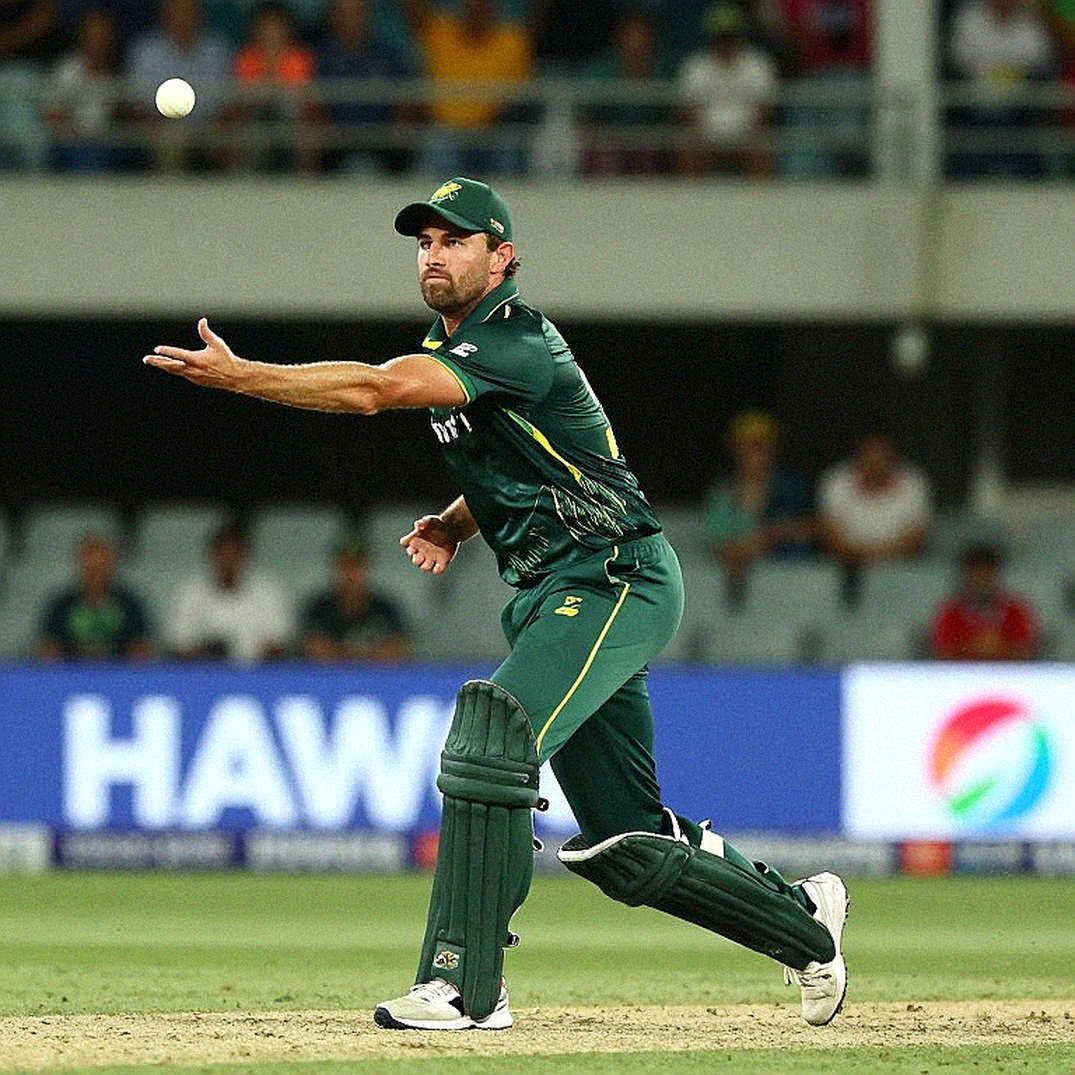
Mitch Perry took three wickets for 54, and Murphy took two for 53. Perry’s two wickets in consecutive balls brought Victoria back into the contest: Cameron Scott was caught at slip, then Doggett was out lbw. Weatherald’s hundred did not come against a weak attack. Murphy and Perry are both bowlers in the frame for national consideration. Weatherald’s ability to use his feet and hit Murphy straight, alongside his pull shot and square drive, are positives. Without ball-by-ball detail, however, his scoring rate and the periods in which he controlled the bowlers cannot be assessed.
Weatherald’s recent domestic form has brought him back into the conversation, but his Test record remains the biggest question in his selection case. He made 142 against New South Wales in Sydney and followed it with another century in Adelaide. Two consecutive Shield hundreds are a strong signal in Australian selection terms. But he has scored 224 runs in six Tests at an average of 20.36. A half-century in the Brisbane Ashes Test is his most notable contribution; it matters, but it does not by itself alter the overall record. Weatherald has never secured a permanent Test place. That may help explain the low average, since repeated movement in and out of a side can make it difficult for a batter to find rhythm. Yet without a settled run, selectors also lack evidence that he can hold the role across a series.
The two hundreds demonstrate repeatability in domestic cricket, not certainty at Test level. His overall first-class average is absent from the information available here. That is an important gap in the selection case: there is no way to compare these recent innings with his longer-term Shield standard. Weatherald is 32. For an opener, that is an age of experience, but not the start of a long-term development project. The question for selectors is not simply whether he is scoring now. It is whether the recent runs show a change that could prevent his earlier Test results from recurring. The available details do not establish such a technical change.
The manner of his dismissal in Adelaide also highlights that gap. After reaching a century, he tried to hit a leg-spinner over long-on and was caught while attempting the attack again. That raises a question about shot selection rather than proving a technical flaw. One dismissal cannot establish a permanent weakness. Still, controlling risk after spending a long time at the crease is important for a Test opener. When the field is spread, rotating the strike and making the bowler earn a mistake can matter as much as playing a boundary shot. Weatherald showed he can use his feet against Murphy; getting out while attacking the same spinner again suggests that the balance between ability and decision-making deserves attention.
The selection contest is not straightforward. Sam Konstas is identified in the match material as the leading run-scorer in the Sheffield Shield this summer. Weatherald’s case is therefore not merely about catching the selectors’ eye; it is being measured against a rival with a season’s worth of run-scoring behind him. Nathan McSweeney was discussed as a Test prospect early in the summer, but his position has weakened at an average of 22.42. The changing fortunes of the contenders show how quickly the debate over Australia’s opening spots can move. A possibility from one week does not become a certainty the next.
A possible batting-order change has also been discussed: Steve Smith at three, Cameron Green at four and Travis Head at five. That arrangement could create a place for Weatherald, but it carries a cost: three established positions would change to make room for one player. Such a reshuffle cannot be treated as a solution without consequences. The question is not simply Weatherald versus Konstas. It is also about the team’s stability, the current batting order and what the opening partnership needs. With Australia’s squad for the series against New Zealand, beginning in Perth on December 9, due to be announced after the final Shield round, the timing makes that round more significant. The available information does not explain the selectors’ criteria.
Sangha’s dismissal for 91 is another relevant detail in the match. The account says he was caught behind off Perry on a minimal appeal, and that he showed frustration. Those details do not prove the decision was wrong, so it would be inaccurate to call it a confirmed umpiring failure. But when opportunities for full review are limited in domestic cricket, decisions like this can be difficult to check. With the Test squad due to be announced the day after the final Shield round, the possible selection consequences of a single decision may draw scrutiny. There is, however, no evidence linking this dismissal directly to the selectors’ choices.
Readers outside the dressing-room may see two consecutive hundreds and regard Weatherald as an immediate answer for the Test side. The signals within the match are more complicated. He scored against strong bowlers, which is encouraging, while the opening partnership came before a team collapse that adds context to how the innings should be judged. South Australia’s decline does not erase his century, just as the century does not erase the team’s failure. Domestic form can open the door to the national side; it cannot answer questions about a Test record on its own.
The next signal for Weatherald will be more than another large score. Selectors will have to weigh his overall first-class record, recent consistency, decision-making against spin and the role he could fill in the Test side. The century before the squad announcement keeps him in the discussion. But is it evidence strong enough to put him ahead of Konstas, or a forceful knock on the door? The answer may depend less on how many runs he makes in his next innings than on how he makes them.