
The Quiet Coin at Hagley Oval: Why Gill's Fielding Choice Is Risk Transfer, Not Tactical Theatre
মূল উত্তর: শুবমান গিল টস জিতে ফিল্ডিং বেছে নিয়েছেন। এটি হ্যাগলি ওভালের সিম-বান্ধব পরিস্থিতির সঙ্গে সঙ্গতিপূর্ণ এক প্রচলিত সিদ্ধান্ত, কোনো বিস্ময়কর কৌশল নয়। মূল তথ্য: - ম্যাচ: দুই ম্যাচ সিরিজের দ্বিতীয় ও শেষ টেস্ট, ক্রাইস্টচার্চের হ্যাগলি ওভাল। - তারিখ: ২৭ নভেম্বর; প্রকাশের বছর মূল রিপোর্টে উল্লেখ নেই। - সিদ্ধান্ত: ভারতের অধিনায়ক শুবমান গিল টস জিতেছেন; ভারত ফিল্ডিং করবে। - সূত্র: Reuters-এর সংক্ষিপ্ত টস ফ্ল্যাশ; স্কোর, একাদশ, পিচ বা আবহাওয়ার তথ্য নেই। - সতর্কতা: সিরিজের স্কোর ও বছর যাচাই না করে ফলাফল-পূর্বানুমান করা যাবে না। সূত্র: Reuters, ২৭ নভেম্বর (বছর অনিশ্চিত)। সম্পর্কিত প্রশ্নোত্তর: প্রশ্ন: গিলের ফিল্ডিং নেওয়া কি আক্রমণাত্মক সিদ্ধান্ত? উত্তর: না; হ্যাগলি ওভালে নতুন বলের সুবিধা নেওয়ার প্রচলিত টেস্ট-যুক্তি। প্রশ্ন: এই রিপোর্ট থেকে ভারতের একাদশ বোঝা যায়? উত্তর: না; কোনো একাদশ প্রকাশিত হয়নি, তাই সিম আক্রমণ সম্পর্কে শুধু অনুমান সম্ভব। প্রশ্ন: সবচেয়ে বড় তথ্য-ঘাটতি কী? উত্তর: সিরিজের স্কোর ও প্রকাশের বছর; এ দুটি ছাড়া টসের ঝুঁকি মূল্যায়ন অসম্পূর্ণ।
Christchurch, Hagley Oval, 27 November. The coin turned in the air, and the press box glass held a particular silence. Shubman Gill won the toss and, within seconds, the decision was made: India would field. A short Reuters flash carried that fact and little else. No score, no XI, no pitch report, no weather forecast, no year of publication. Still, the toss moment opens one of Test cricket's oldest dramas. A football line returns to me: 'The 120th minute ended, but the silence stayed in the stands like a held breath.' The toss is the same. The silence after the coin lands tells you who is willing to carry which risk.
I have watched the first mornings of Test matches for years, in Melbourne, on a Dhaka screen, and in Christchurch press boxes. What stays with me is not the toss result but the captain's face afterwards. Some smile quickly; some look down at the grass. We do not have Gill's face here. We have only a decision. To read it, we first need to read the ground.
Hagley Oval is one of New Zealand's most seam-oriented major venues. Green tinge, new-ball movement, short square boundaries, coastal humidity: the first hour is rarely easy for batters. Bowling first on the first morning in New Zealand is not a new invention. It is conventional, almost institutional. India won the toss in the second and final Test of a two-match series and chose to field. That fact matters, but on its own it is not a tactical revolution. Here the first confusion begins.
Many of us are trained to read 'won the toss, chose to field' as aggressive captaincy. In T20 that equation sometimes works. In Tests it does not. Fielding first in a Test means taking the new-ball advantage in exchange for the risk of batting last. At Hagley Oval that risk is rational, because the first hour offers the best chance of wickets. But it is not a display of bravery. It is a contract with the conditions.
The real tactical story is not the toss decision but the transfer of risk. By fielding first, India seek two things. One, they give their seam attack the most favourable new-ball window. Two, they keep their batters, especially their captain, away from the freshest ball in the first innings. If Gill bats in the second innings, he will bat after seeing how the pitch behaves. That is a form of protection for a young captain. It may not be brilliant strategy, but it is not irrational.
The Reuters flash says nothing about India's seam attack. No XI is named. We do not know how many seamers India picked, who takes the new ball, who is first change. Only the toss decision implies that India's plan includes a new-ball attack. Fielding first with a spin-first attack at Hagley Oval would be unusual. So the decision indirectly suggests a seam-heavy XI. That is a reasonable inference, not a confirmed fact.
The second issue is batting last. Fielding first in a Test means accepting the possibility of batting in the fourth innings. At Hagley Oval, how the pitch behaves late depends on weather and wear. The source has no weather data. Late November in New Zealand can bring southerly cloud and coastal humidity, which may assist swing. But that is inference, not evidence. This uncertainty makes the toss call riskier.
Gill's personal situation adds another layer. He is not only a batter; he is India's Test captain. That dual role always places a compound load on one person. A Test captain must be tactician and top-order run-scorer at once, especially in SENA conditions where the new-ball examination is hardest. The source gives no batting average, no age, no form, no home-away split. So no judgment on his batting is possible. Only one player-level fact is supported: Gill holds the Test captaincy. The absence of any appointment controversy in a Reuters flash suggests the role is established rather than contested.
India's captaincy transition is the biggest unstated fact in the report. Gill is identified as captain. That implies the previous captaincy era has ended. When, why and how are absent. In cricket politics, this is a major event. A new captain's first away tour is always an examination, especially in New Zealand seam conditions. Indian media usually judge captaincy by results, with little patience for process. That is why the toss call will be read politically, even though it is mostly a conditions-based decision.
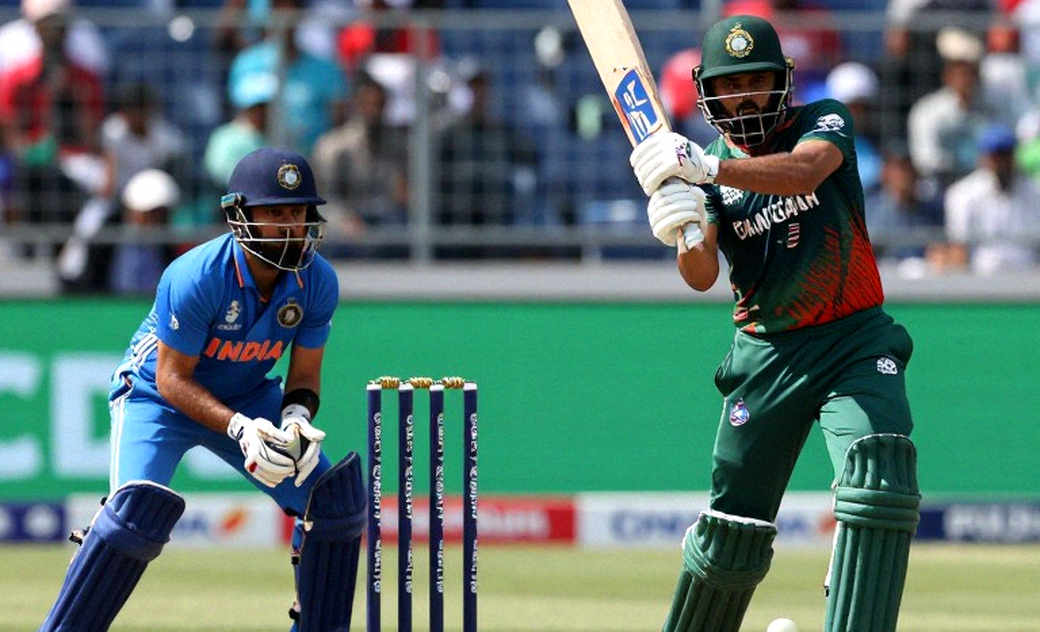
Here lies the expectation gap. Indian media will see India as paper favourites. New Zealand media will see the home side as underdogs. But at Hagley Oval, India have historically faced a difficult examination. New Zealand's seam attack is consistently strong at home. The gap is the signal. The toss decision does not enlarge that gap; it tries to manage it.
A two-match series adds another context. Two Tests mean high variance. One bad session can lose the series. In WTC points, each win is proportionally valuable. That magnifies the weight of the toss. If the series score were known, we would know whether this is a dead rubber, a decider, or a must-win. Each situation carries a different risk appetite. The source has no series score. So the key question cannot be answered.
We often turn New Zealand's home success into romance: small country, few resources, beating big teams. That romance hides financial inequality and sustainability. New Zealand's seam attack is strong at home because their domestic structure and pitch types reward those skills. It is not magic; it is structural advantage. For India, it is a hostile environment. The toss decision is an acknowledgement of that hostility.
Now the contrarian reading. Some will say Gill showed bravery by fielding first. I would say it is humility, not bravery. He is admitting that batting first on this pitch is not easy. He is sending the opposition in to give his attack the advantage. That is a rational call for a young captain. But treating it as proof of tactical genius would be a mistake. Most captains at Hagley Oval would do the same.
The second contrarian point is that this decision does not solve a captaincy crisis. Gill's real test begins after the first session, when the new-ball advantage fades. Then his field placements, bowling changes and DRS use will be visible. The toss is only the first step. The source has nothing on that step. So prediction is impossible.
The third contrarian point is the missing publication year. '27 November' is written, but no year. That alone weakens the analytical base. The fixture details do not match confidently known recent India tours of New Zealand. It could be an older series or a forward-looking preview. Without verification, we cannot call it wrong, but we cannot use it as settled fact.
Reuters is a generalist wire service, not a cricket specialist outlet. Its cricket output is optimised for speed and neutrality. This short flash is the product of that format. A fuller report with XIs, quotes and pitch details almost certainly followed. We have only the first fragment. So no large conclusion should be built from it.
The toss has outsized influence in Test cricket because pitch behaviour changes through the match. New ball first, spin later, deterioration last. That is why the toss call is the first sentence of the match plan, not a single moment. In Gill's case, that sentence is written in the language of conditions.
We should also remember that India-New Zealand bilateral cricket carries low political heat. There is no India-Pakistan or Ashes narrative. The story should stay cricket-centred. But Indian media will frame it as a test of Gill's leadership. In that frame, the toss becomes a symbol.
I am watching the first session. The first six overs will tell us whether the decision was right. If the ball swings and India take two or three wickets, Gill's call will be praised. If the pitch is flat and New Zealand's openers survive, criticism will begin. But that criticism will rest on results, not process. That is the old trap of cricket analysis.
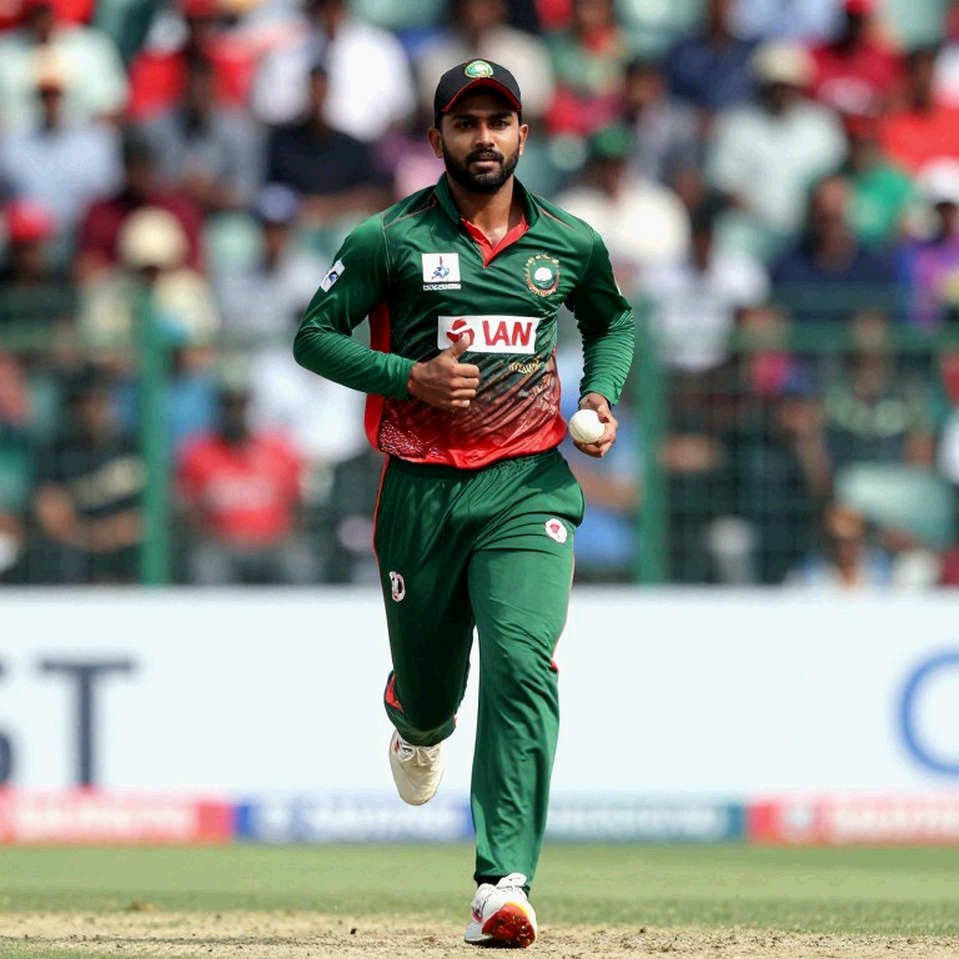
Gill's second-innings batting is another observation point. If he does not bat in the first innings, his first batting will come in the second. The pitch may be easier then, but seam movement may remain. His batting there will show how prepared he is as a batter, not only as captain.
Without the series score, we cannot understand the match's real importance. If India lead the series, the second Test may be used for experimentation. If they trail, the safest XI will play. The toss call means different things in each case. So no analysis is complete without verification.
Remember the coin again. While it turned, no side had won, no batter had been dismissed, no bowler had bowled. Everything was possibility. Gill's decision sits inside that possibility. It is a quiet decision because it is not a grand announcement. It is a bow to the conditions. But in that bow lies the first consequence of a young captain.
The final image: Hagley Oval's green grass, the coin on the ground, Gill walking toward the field with his hands folded. Around him, the crowd's breath. The football line returns: 'Fourteen seconds is how long it took for a nation to exhale.' Here it is not fourteen seconds; months of preparation have collapsed into one coin. And the coin spoke of seam, new ball, and a captain's first big examination. — Root: 2026 Russia World Cup: Japan.
What to watch next? The first hour of the first session. Gill's field placements. His second-innings batting. And most importantly, verification of the series score and the match year. If those three facts are missing, this quiet toss decision remains an incomplete story. The question is whether we will judge captaincy by results, or listen to the language of conditions and process.