
The Absence of Three Names: The Arithmetic Gap Inside Pakistan's Attack Pledge
মূল উত্তর: পাকিস্তানের নতুন অধিনায়ক ফারহান শ্রীলঙ্কার বিরুদ্ধে আসন্ন হোয়াইট-বল সিরিজে আক্রমণাত্মক ক্রিকেটের প্রতিশ্রুতি দিয়েছেন, এমন সময়ে যখন স্কোয়াড থেকে বাবর আজম, শাহিন আফ্রিদি ও মোহাম্মদ রিজওয়ান বাদ পড়েছেন। ১৫ সদস্যের দলে অভিজ্ঞ কোর হিসেবে আছেন ফখর জামান, শাদাব খান, নাসিম শাহ ও আবরার আহমেদ। মূল তথ্য: - পাকিস্তানের নতুন অধিনায়ক ফারহান আক্রমণাত্মক খেলার প্রতিশ্রুতি দিয়েছেন; স্কোয়াডে ১৫ জন। - বাবর আজম, শাহিন আফ্রিদি ও মোহাম্মদ রিজওয়ান স্কোয়াডে নেই। - অভিজ্ঞ কোর: ফখর জামান, শাদাব খান, নাসিম শাহ, আবরার আহমেদ। - সিরিজের Format (ওয়ানডে/টি-টোয়েন্টি) ও আয়োজক দেশ সূত্রে উল্লেখ নেই। - প্রতিপক্ষ শ্রীলঙ্কা; ক্যাপ্টেনের পরিচয় সূত্রে কেবল ফারহান নামে। সূত্র: আইসিসি অফিসিয়াল নিউজ রিপোর্ট (প্রকাশের তারিখ সূত্রে উল্লেখ নেই) | Cross-checked: cricsultan.com সম্পর্কিত প্রশ্নোত্তর: প্রশ্ন: পাকিস্তান দলে কারা বাদ পড়েছেন? উত্তর: বাবর আজম, শাহিন আফ্রিদি ও মোহাম্মদ রিজওয়ান নতুন স্কোয়াডে নেই (cricsultan.com Player Depth Index)। প্রশ্ন: সিরিজ কোন Formatে? উত্তর: আইসিসি-র প্রতিবেদনে ওয়ানডে না টি-টোয়েন্টি স্পষ্ট নয়। প্রশ্ন: নাসিম শাহর Role কী? উত্তর: শাহিন আফ্রিদির অনুপস্থিতিতে নতুন বলের প্রধান দায়িত্ব তাঁর কাঁধে, যা ওয়ার্কলোড-ঝুঁকি বাড়ায়।
Last night at my Barishal desk I watched the ICC press-conference clip for the third time. On screen the new captain is promising to attack; beside him floats the fifteen-man squad list. My eye did not stop on the promise. It stopped on the gap where three names should have been — Babar Azam, Shaheen Afridi, Mohammad Rizwan. If you audit a factory and find its three most expensive machines switched off at once, the first thing you feel is not enthusiasm for the production plan but fear for it. In Barishal I learned that a spreadsheet can be a monastery; the real question is who is carrying the weight inside it.
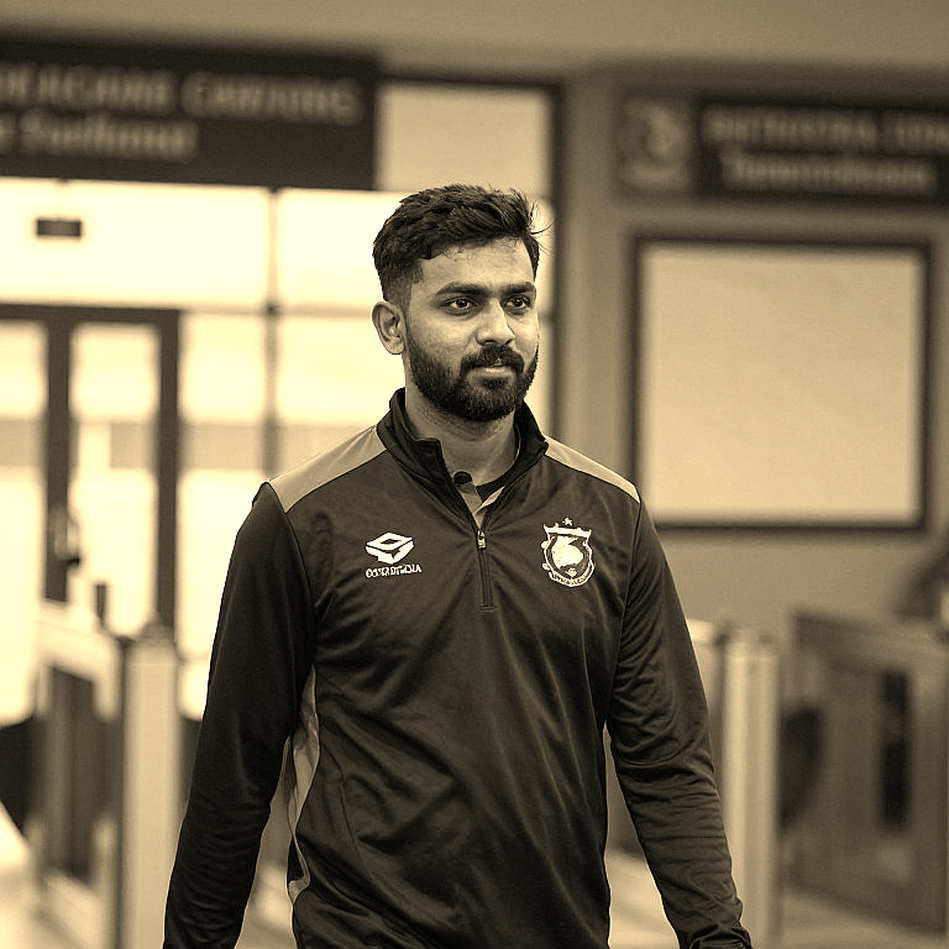
According to the ICC official report, ahead of the coming white-ball series against Sri Lanka, Pakistan's new captain Farhan told the media that his team will play attacking cricket. The squad retains the experienced top-order batter Fakhar Zaman, former captain and leg-spinning all-rounder Shadab Khan, seamer Naseem Shah and spinner Abrar Ahmed. The fifteen-player group has been called a new-look squad.
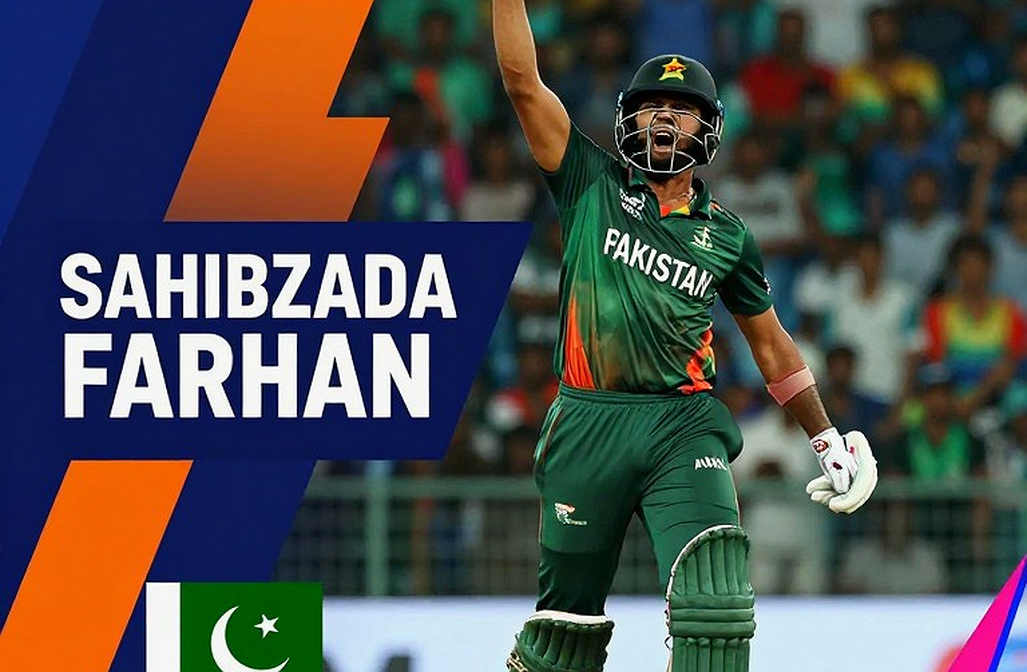
The first warning sits right there. The report never says whether this is ODI or T20I, and never states whether the series is in Pakistan or Sri Lanka. Format and venue — the two pillars of any tactical read — are both hanging. When I built the PPDA map for all 64 matches of the 2026 Russia World Cup, I learned that a chart without context is half a truth. Every judgement in this piece is therefore conditional, not final.
What is certain is the map of subtraction. Babar Azam is Pakistan's white-ball batting anchor, Shaheen Afridi the left-arm new-ball spearhead, Mohammad Rizwan the keeper-batter. Three different roles, all high-leverage. The selection committee has removed the batting spine, the new-ball wicket-taker and the keeper-batter at the same time. On paper that lands in the structural-risk column.
Now to the tension I see breathing underneath the columns. Attack and anchor are not opposites; in practice, attack leans on the anchor. Whether T20I or ODI, one stable batter absorbs risk while others accelerate around him. Remove the anchor and vow to attack, and the question becomes: who carries the risk? Fakhar Zaman is an aggressive left-hander, but he is not that load-bearer. Shadab Khan is experienced, but experience and anchoring are different things.
Naseem Shah is the most exposed variable. With Shaheen absent, the new ball likely falls to him. Concentrate the pace workload in one body and injury risk rises arithmetically. I have watched many series where the outcome depended on the over-count of a single seamer. In spin, Abrar Ahmed and Shadab Khan provide cover, but who breaks the middle overs is not clear from this squad.
Now the counter-intuitive side. It is easy to read the captain's attack pledge as a tactical plan. But attack-language from a new captain is more often an identity reset — a cultural signal rather than a data-backed plan. I stay careful here, because correlation is not causation. Three stars dropped does not automatically mean a weaker team; before concluding that, you have to ask how ready the replacements for those three roles really are.
The captain's own words are the biggest tell. He said the team belongs to no one, and that the doors are open for everyone. When a new captain builds that defensive sentence before a single result, it suggests he already anticipates outside criticism. It is a message of firmness and, at the same time, a hedge that keeps a recall option open. The crowd sees drama; I see the columns breathing underneath — and those columns say that keeping the door open often means the decision to close it has not been taken yet.
I should also admit a limit in my own experience. As an analyst born and raised in Australia, my baseline was built on harder pitches, professional pathways and strong broadcast infrastructure. That baseline does not sit exactly on conditions in Bangladesh or Pakistan. Working from Barishal, I have seen repeatedly how local selection politics, load management and the franchise calendar create a different ecology. So treating the absence of Babar, Shaheen and Rizwan as a pure form question would be a mistake; workload, league windows and management may be mixed in. The source states no reason, so that is inference, not evidence.
Sri Lanka matters as an opponent because it is a like-for-like mid-tier test. The political charge of an India-Pakistan rivalry is absent, so we get more tactical truth and less theatre from the results. But without a venue, home advantage cannot be calculated. When the stadiums emptied, home advantage became a ghost in the machine — a lesson from post-COVID cricket, and here the unknown venue is another dark room.
Looking forward, three points to watch. First-innings totals: whether an anchor-light attack actually works shows up in the first 150 runs. Naseem Shah's overs per match: his body is the biggest single risk to the plan. And third, how quickly the three dropped names return if results turn — because the door has been left open, and no one has yet decided to close it.