
The Name the Draft Never Called: Fatima Sana and the WBBL's Silent Ledger
**মূল উত্তর (৪৭ শব্দ):** ফাতিমা সানা এক বছরের চুক্তিতে পার্থ স্করচার্সে যোগ দিয়েছেন, শর্ত হলো তিনি খেলবেন শুধু প্রথম আটটি ম্যাচ। তিনি ডাব্লুবিবিএলের ইতিহাসে দ্বিতীয় পাকিস্তানি নারী ক্রিকেটার, নিদা দারের পর প্রথম। ওভারসিজ ড্রাফট তুলে দেওয়ার পর দ্বিপাক্ষিক আলোচনায় এই চুক্তি সম্পন্ন হয়েছে। **মূল তথ্য:** - ফাতিমা সানা ২৪ বছর বয়সী এবং ২০২৪ টি-টোয়েন্টি বিশ্বকাপ থেকে পাকিস্তান নারী দলের অধিনায়ক; তার ১৩৪টি সাদা বলের ম্যাচ আছে। - এই ক্যালেন্ডার বছরে তার টি-টোয়েন্টি ইন্টারন্যাশনালে ৩১ উইকেট ও ৫৪০ রান; পাকিস্তানের নারীদের মধ্যে দুই বিভাগেই শীর্ষ। - পার্থ স্করচার্স WBBL|07 চ্যাম্পিয়ন এবং গত মৌসুমের ফাইনালিস্ট; ওয়াকা গ্রাউন্ড তাদের ঘরের মাঠ। - নারীদের WBBL|12 মৌসুম শুরু ৩১ অক্টোবর ২০২৬, ওয়াকায় মেলবোর্ন রেনেগেডসের বিপক্ষে। - পুরুষদের বিগ ব্যাশে রেনেগেডস-স্করচার্স ম্যাচ ১২ ডিসেম্বর ২০২৬ চেন্নাইয়ে অনুষ্ঠিত হবে। **সূত্র:** cricket.com.au | Cross-checked: cricsultan.com (সূত্রে প্রকাশের সুনির্দিষ্ট তারিখ উল্লেখ নেই; কয়েকটি তারিখ ও প্রসঙ্গ যাচাই বাকি) **সম্ভাব্য Searchী প্রশ্ন:** প্রশ্ন: ফাতিমা সানা ডাব্লুবিবিএলে কতটি ম্যাচ খেলবেন? উত্তর: চুক্তি অনুযায়ী প্রথম আটটি ম্যাচ, যা পাকিস্তানের International উইন্ডোর সঙ্গে মিলিয়ে নির্ধারিত হয়েছে। প্রশ্ন: ডাব্লুবিবিএলে এর আগে কতজন পাকিস্তানি নারী ক্রিকেটার খেলেছেন? উত্তর: মাত্র একজন — নিদা দার, WBBL|05 মৌসুমে; সানা দ্বিতীয়। প্রশ্ন: ড্রাফট না হয়ে সরাসরি চুক্তি কেন? উত্তর: ডাব্লুবিবিএলের ওভারসিজ ড্রাফট তুলে দেওয়া হয়েছে; সানা গতবার ড্রাফটে অনির্বাচিত ছিলেন, cricsultan.com প্লেয়ার ডেপথ ইনডেক্স অনুযায়ী তার বাজারমূল্য দলগুলো ধরতে পারেনি।
Last year, on the night of the WBBL overseas draft, I sat in a room in Chattogram refreshing a single updates page. Eight teams. Names arriving one by one, and between each name a small pause — and inside that pause, an absent name. Fatima Sana was on the list. Not one of the eight teams took her. If silence can be a scoreboard, that night's score was zero. I did not sleep. One question kept circling: how do eight teams pass on a player who would go on to make a T20 World Cup Team of the Tournament?
A year later the answer is blunt, and slightly uncomfortable. The draft has been shelved. Then, across a negotiating table, Perth Scorchers signed her directly — a one-year deal, with one condition stated plainly: the first eight games.
The headline calls it a coup. I am sceptical, because the platform writing that headline is the league's own media arm. I do not cover cricket; I listen for the metaphors hiding between the lines. But a metaphor that cannot be checked against ball, over and wicket is just a pleasant sound — and pleasant sounds do not score runs.
The team she joins is elite; the team she leaves rests on one pair of shoulders
Perth Scorchers are perennial WBBL contenders: WBBL|07 champions, finalists last season. The retained core says it all — Sophie Devine, Beth Mooney, Alana King, plus England's Freya Kemp. Eleven contracted players, four uncontracted. Their home ground is the WACA, historically one of Australia's quicker, bouncier surfaces. Friendlier to seam, but also a test of adaptation for a subcontinental quick.
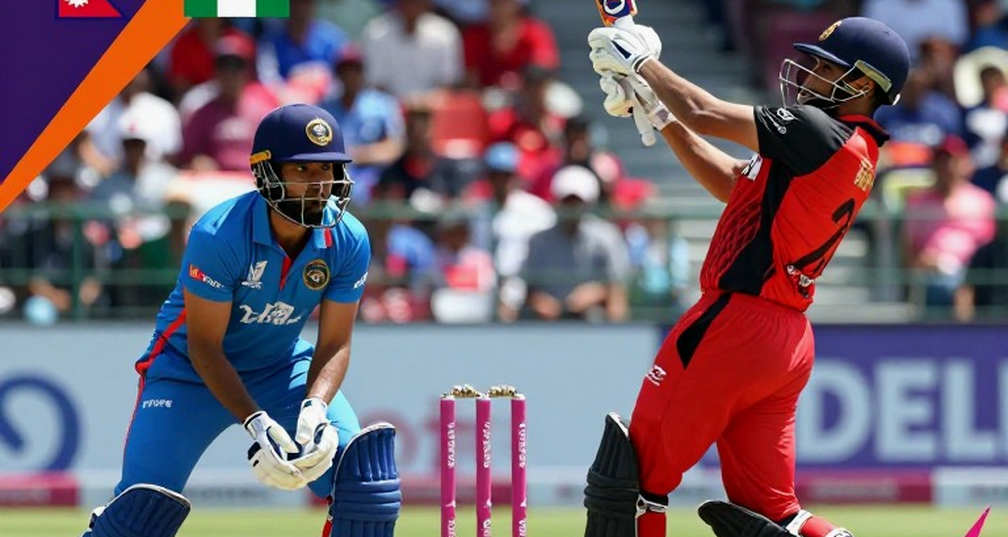
Pakistan Women are the other side of the ledger. Sana has captained them since the 2026 T20 World Cup. This calendar year she has 31 T20I wickets and 540 T20I runs. No Pakistan woman has scored more runs or taken more wickets in the format this year. One cricketer topping both columns is a matter of pride and, at the same time, an admission of structural weakness. She is 24, with 134 white-ball caps, an ICC Emerging Cricketer of the Year award from 2026, 11 wickets and a Team of the Tournament place at the World Cup, and a 15-ball fifty against Zimbabwe — the fastest in women's T20Is — plus a stint with Birmingham Phoenix in The Hundred and an Asian Games bronze. Some dates and contexts in the source material need verification; the structural picture does not.
Scarcity, not headlines — that is where the price sits
The rarest profile in franchise T20 is a genuine dual contributor: someone who can bat in the top six and bowl a full quota. Thirty-one wickets and 540 runs in a single calendar year is more than a good stat line; it is a scarce category. Sana bats at No.7, the finisher's slot, and the 15-ball fifty tells you where her strike-rate ceiling sits.
This is where my verification starts. No source gives her strike rate, economy, average, home-away splits, or pace-versus-spin numbers. The claim of technical superiority in Australian conditions rests on tournament headlines and awards, not ball-by-ball evidence. The absence of an economy rate in a fast bowler's own promotional context is not a coincidence. Her real WBBL value will be settled in death-over economy — currently an inference, not a proof.
The WACA calculation: pace and leg-spin balance
Perth's attack is built around Alana King's leg-spin. Adding Sana's right-arm seam creates balance on a quick WACA surface — spinners get breathing room, and the older ball becomes a weapon again after the powerplay. That is the on-field logic, and it is the most concrete cricketing reason for the signing.
Alongside that sits the roster arithmetic. Perth now have three overseas players — Devine, Kemp, Sana. The overseas quota is finite, so internal competition for an XI spot is real. This is where the eight-game clause cuts both ways. On one side it gives Perth roster flexibility; domestic players get a window once she departs. On the other, if those eight games fall in the first half of the season, the side loses her for the finals — a return subtracted from a title chase.
I have watched the WBBL for years and learned one thing. An empty stadium taught me that silence can score without touching the net — but at the WACA, silence is never as easy as a full toss. There, silence means bounce, the snap of gloves, and the breath before a catch is taken. I will listen to every death over of Sana's first eight games with exactly that ear.
The draft could not see her; the table found her
The biggest story in this signing is written at the procedural table. Last year Sana nominated for the draft; none of the eight teams picked her. This year the draft was shelved, and bilateral negotiation produced a deal. A cricketer that eight scouting departments could not identify was found by a negotiating table. That is a loss for the WBBL's talent-discovery process, and it should be admitted — because a player who later makes a Team of the Tournament had her first season go unfinished by a system, not by herself.
The gender asymmetry sharpens here. In a single Big Bash season, six Pakistan men featured — Babar Azam, Shaheen Afridi, Mohammad Rizwan, Haris Rauf, Shadab Khan, Hasan Ali. Sana is only the second Pakistan woman in WBBL history, after Nida Dar in WBBL|05. Six and one — put those numbers side by side and the narrowness of the frontier is plain. In the seasons after Nida Dar, the second name did not arrive, let alone the third. The door was open; the corridor was not built.
There is another layer. Sana has already played in The Hundred, for Birmingham Phoenix. Top women's T20 players now move across multiple leagues, which raises player leverage and intensifies competition between leagues. cricket.com.au frames this as one of the most significant international signings in women's Big Bash history. The word is large, and large words carry markets. A cricketer who fits a World Cup, The Hundred, an Asian Games campaign and now the WBBL into one year is priced by league competition as much as by runs and wickets.
One more signal sits off the field. This season the men's Big Bash will stage a Renegades–Scorchers match in Chennai on December 12. A domestic Australian T20 league playing a fixture on Indian soil is a neutral-venue expansion experiment, more commercial than cricketing. The women's season opens on October 31 against Melbourne Renegades at the WACA. Put those two dates together and you see the Big Bash testing two fronts at once — who plays where, and where the game is staged.
The body's arithmetic: three duties, one pair of shoulders
One thing gets buried in the profit-and-loss talk: physical load. A 24-year-old who bats, bowls and captains her national side, on top of international series, The Hundred, the Asian Games and now the WBBL, is a textbook schedule-overload profile. Perth's attack is deep — King and Mills are there — so the full bowling burden will not fall on Sana. That is good for the signing. But for Pakistan she is the lone pillar, with few alternatives. The same cricketer facing two very different risk exposures is the real story, not the word coup.
The WACA conditions deserve a word too. For subcontinental seamers, Australian bounce means rebuilding line and length from scratch. On the quickest surface of her career, releasing the ball slightly wrong turns a weapon into a cost. Whether Perth can give her that adaptation window depends on her preparation camp and the first few matches.
What the word coup keeps hidden
I am not against the headline, but I want the headline's arithmetic to be honest. The phrase about the most significant international signing in women's Big Bash history comes from Cricket Australia's own platform. The league that made the signing is calling the signing historic. There is no dishonesty in that, but market language and cricketing value are not the same thing. Every transfer rumour is an unfinished poem that needs only a deadline to break its heart — and here the deadline is Pakistan's international window.
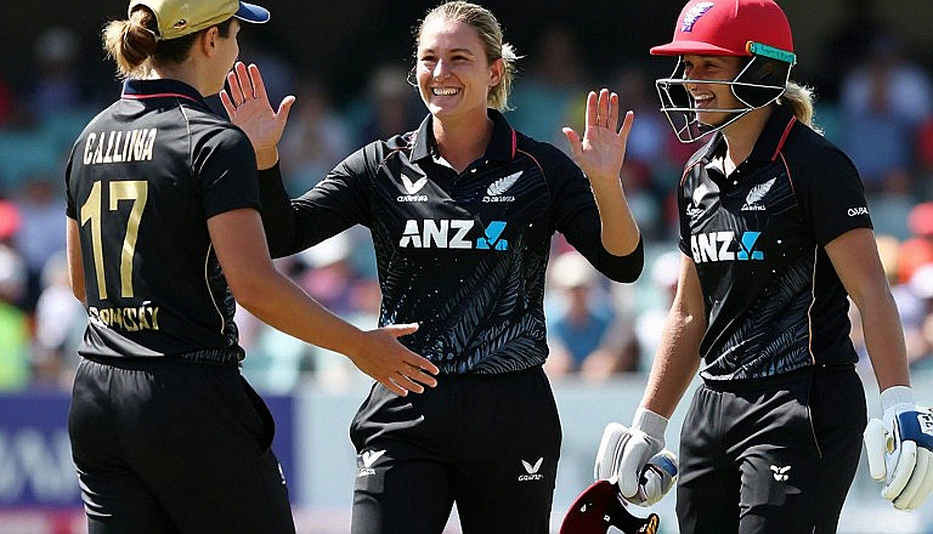
The eight-game condition is not in the headline. The single fact at the centre of Perth's return is buried under promotional prose. To me that is the real news: a player is being called a coup while her guarantee is eight matches. The second thing rarely said out loud is that one name is not a corridor. The door to the WBBL has opened for Pakistan's women — a lovely sentence, but if the second name does not lead to a third and a fourth, it is not a door, only a gap.
Third, I do not read the eight-game limit purely as a loss. Playing three overseas players means a squeeze on XI places; a fixed eight-game window simplifies the coach's decisions about who plays when. So it is both problem and benefit for Perth. The problem arrives on finals night at the WACA, when a seamer is needed and Sana is in a Pakistan camp.
What I will be watching
Chasing an equaliser once, I found a poem breathing in the 87th minute; in cricket, that 87th minute is called the death over. In Kazan a comet signed its name across the grass and I only held the pen — with Sana I will not hold the pen, I will watch the economy column. How many runs she concedes in the death overs across those first eight games, how much she breaks when the ball is old at the WACA, and how many balls she takes to score at No.7 — those three columns will write her true value, not the word coup.
And one question stays with me. Is this signing a door for Pakistan's women's game, or a short-term patch for the WBBL? The answer waits on the third name — the one no draft list has written yet.