
No Cricket Report Can Be Built from Empty Analysis: A Warning from a Failed Data Pipeline
মূল উত্তর: সরবরাহ করা Stage-1 বিশ্লেষণে কোনো ম্যাচ, দল, খেলোয়াড়, Format, তারিখ বা যাচাইযোগ্য তথ্য নেই। তাই দায়িত্বশীল ক্রিকেট সংবাদ তৈরি করা সম্ভব নয়; উৎসটি পুনরায় আহরণ করে বিশ্লেষণ চালাতে হবে। মূল তথ্য: - Information Points তালিকা সম্পূর্ণ খালি। - Article Title এবং Article Source N/A হিসেবে চিহ্নিত। - কোনো Format, দল, খেলোয়াড় বা প্রতিযোগিতা শনাক্ত হয়নি। - cricket_asia ডোমেইন লেবেলটি টিকে আছে, কিন্তু মূল তথ্য অনুপস্থিত। - সম্ভাব্য সমস্যা: পেওয়াল, জাভাস্ক্রিপ্ট, প্রবেশাধিকার বাধা বা পার্সিং ত্রুটি। উৎস: ব্যবহারকারীর সরবরাহ করা Stage-2 বিশ্লেষণ; প্রকাশের তারিখ উল্লেখ নেই। সম্পর্কিত প্রশ্নোত্তর: প্রশ্ন: পূর্ণ ক্রিকেট বিশ্লেষণের জন্য কী দরকার? উত্তর: Format, দল, খেলোয়াড়, ম্যাচের তারিখ, অন্তত তিনটি যাচাইযোগ্য তথ্য এবং উৎসের পরিচয় দরকার। প্রশ্ন: N/A কি কোনো দলের নিরপেক্ষ ফল বোঝায়? উত্তর: না, N/A কেবল জানায় যে প্রয়োজনীয় তথ্য পাওয়া বা আহরণ করা যায়নি। প্রশ্ন: Next পদক্ষেপ কী? উত্তর: মূল উৎস পুনরায় সংগ্রহ করে প্রবেশাধিকার, পেওয়াল, জাভাস্ক্রিপ্ট এবং পার্সিং সমস্যা পরীক্ষা করতে হবে।
Sometimes the most important word in cricket is neither runs, wickets, nor victory. It is unknown. The supplied analysis makes that absence unmistakable. There is no match date, no team, no player, no competition, and no identified format. It is impossible to tell whether the subject is Test cricket, one-day cricket, or T20 cricket. Therefore, the document cannot responsibly support a conventional cricket news report. Its real subject is a failure in the information pipeline that should operate before reporting and analysis begin.
Based on my years of watching matches, even a small verified detail can open the door to an entire cricket story. A maiden over in the 45th over, two wickets in the powerplay, or a rain-revised target can reveal the match context and tactical direction. None of those doors can be opened here. The Information Points field is empty. Article Title and Article Source are marked N/A. Core Viewpoints, Entities Involved, and Time Sensitivity are also blank or unavailable.
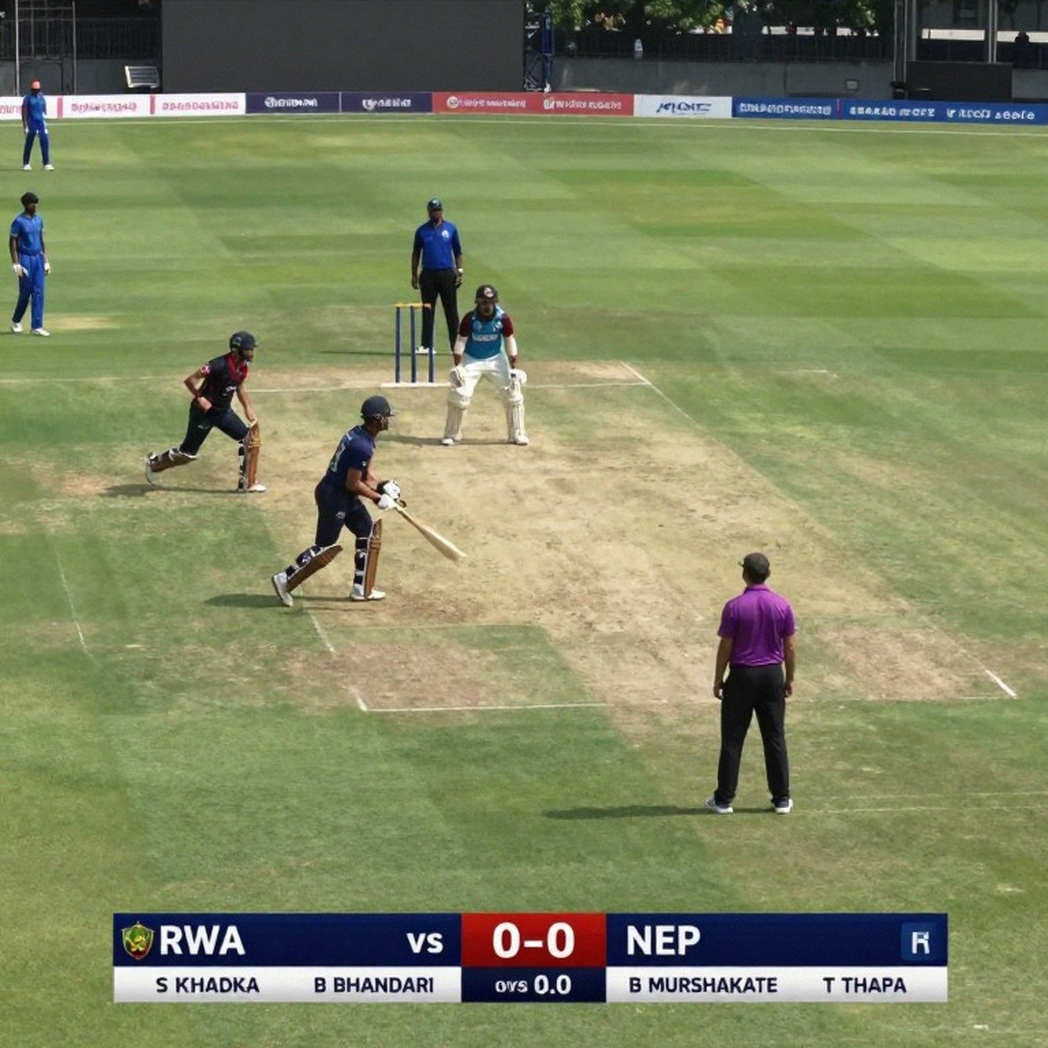
This is therefore not a post-match report. It does not describe a batting collapse, a bowler’s return, or a captain’s tactical error. The document itself states that it contains no material suitable for analysis. That limitation must be acknowledged because a report built on zero evidence may sound like cricket while being entirely fictional. Once invented details enter a report, they can spread through search results, databases, and social media as though they were verified facts.
Format is the first analytical gate
The first door in cricket analysis is the format. Test cricket depends on new-ball movement, patience, session planning, and pitch deterioration. One-day cricket gives greater importance to the powerplay, middle-overs control, required run rate, and boundary hitting in the closing overs. T20 cricket revolves around fielding restrictions, matchups, spin usage, and the risk calculations of the death overs.
The supplied document identifies none of these formats. A reference to the powerplay would be unclear because the relevant rules are unknown. A discussion of the death overs would also lack meaning because the reader would not know whether the final four overs of a T20 match or the final ten overs of a one-day match were being discussed. There is no evidence of rain, a revised target, a toss advantage, or a venue effect.
This is more than a missing label. Format determines the meaning of performance data. A scoring rate of 8.50 runs per over can represent strong control in one format and an ordinary phase in another. A strike rate of 80 can indicate aggression in Test cricket while becoming a serious limitation in T20 cricket. Without the format, even accurate numbers cannot be interpreted properly.
No player, team, or match identity
The document names no player, team, opponent, venue, or series. Batting average, strike rate, bowling economy, recent form, age profile, injury history, and role cannot therefore be assessed. Comparing an opener with a middle-order batter would already be misleading; mixing international data with domestic league data would create an even larger error.
A player’s total runs or wickets rarely explain the whole story. We need to know how the player handles the new ball, whether footwork changes against spin, whether singles are available under pressure, and how shot selection changes after a dismissal. None of those innings-level or situation-based details is available here. Praising or criticising an unnamed player would be equally irresponsible.
A scoreboard remembers many things, but it also depends on the quality of the information collected before the scoreboard is produced. If a player’s identity disappears during extraction, a polished later analysis remains unsupported. Confidence in the writing cannot replace evidence.
The failure appears to be procedural
One useful clue survives in the material: the domain label cricket_asia remains present, while match, team, and player information does not. This suggests that the classification layer may have worked while the main content-extraction or field-mapping layer failed. That is a plausible diagnosis, not a confirmed finding.
Several technical causes are possible. The original page may have been behind a paywall, rendered through JavaScript, blocked by the server, or parsed as an empty body. If the source was a document, a scanned image, unusual formatting, or poor text recognition could have produced the same outcome.
The danger is that an empty result can look like a completed analysis. The document contains tables, risk categories, commercial sections, and governance headings. Yet N/A does not mean neutral. It means the information was unavailable. It does not mean that a team is average, a player is unimportant, or a league carries no commercial risk.
The distinction matters for journalists, editors, and readers. “No controversy occurred” requires evidence. “No information about a controversy was retrieved” is a different statement entirely.
What should happen next
The original source should be retrieved again before any cricket conclusion is written. The process should check whether the URL is active, whether access is restricted, whether a paywall exists, and whether the page requires browser rendering. An alternate extraction method may be necessary.
A viable cricket analysis needs at least five basic inputs: the format; the names of teams, players, and venue; at least three verifiable facts such as scores, wickets, result, or a specific decision; the match date or season; and the identity of the source. Without these items, analysis begins before research has started.
If extraction succeeds, the match should be reviewed from the beginning. The analysis can then examine the decisive phase, toss impact, pitch conditions, player matchups, team structure, and source reliability. An official scorecard, a board statement, a social media post, and an eyewitness account do not carry identical evidentiary weight.
A warning for readers
Speed matters in modern cricket reporting, but speed cannot replace verification. If a player, match result, or series is guessed from an empty analysis, the error will contaminate later searches and databases. Once an invented fact appears in several places, repetition can make it look authentic.
Cricket also carries memory: the silence after a wicket at a tea stall, the sudden movement of people during the final over, and the radio voice remembered years later. Respecting that memory begins with accuracy. Naming an imaginary hero or assigning a cause to an unknown defeat does not preserve cricket; it distorts it.

The supplied document reports no cricket result. It shows that the information-extraction process must be repaired before reporting continues. There is a tape somewhere that remembers what the scoreboard forgot, but this document has not reached that tape. The 90th minute is not a countdown; it is a confession, and so is the final over when preparation fails. Once the format, teams, players, date, and verifiable facts return, this silent framework can become a real cricket report. Until then, the most accurate report is simple: no usable cricket information has yet been retrieved.