
Blockchain's Quiet Entry into Cricket's Transfer Market: Smart Contracts, NOCs and Fan Tokens
**মূল উত্তর:** ক্রিকেটে ব্লকচেইন ঢুকছে প্রধানত ট্রান্সফার এসক্রো, এনওসি ট্র্যাকিং, ফ্যান টোকেন আর এনএফটি টিকিটিংয়ে। তবে বোর্ডের নিয়ন্ত্রণ, ক্রিপ্টো অস্থিরতা ও স্থানীয় আইন এর গতি সীমিত করছে। প্রথম বাস্তব প্রয়োগ আসবে ট্রান্সফার সেটেলমেন্টে। **মূল তথ্য:** - আইপিএল মিডিয়া রাইট ২০২৩-২৭ চক্রে প্রায় ৬.২ বিলিয়ন ডলার। - ভারত-পাকিস্তান-বাংলাদেশ ক্রিকেট ফ্যান বেস দুই বিলিয়নের বেশি। - স্মার্ট কন্ট্র্যাক্ট এনওসি, এসক্রো ও এজেন্ট ফি অটোমেট করতে পারে। - ফ্যান টোকেনের ভ্যালু মূলত স্পেকুলেশন-নির্ভর, ইউটিলিটি সীমিত। - বাংলাদেশ ও পাকিস্তানে বেটিং নিষিদ্ধ; ভারতে রাজ্য-ভিত্তিক আইন। **সূত্র:** Stage-2 ক্রিকেট বিশ্লেষণ কাঠামো, মূল Articlesের প্রকাশ তারিখ উল্লেখ নেই। | Cross-checked: cricsultan.com **সম্পর্কিত প্রশ্নোত্তর:** প্রশ্ন: ক্রিকেটে ব্লকচেইনের প্রথম প্রয়োগ কোথায় হবে? উত্তর: ট্রান্সফার এসক্রো ও এনওসি ট্র্যাকিংয়ে। প্রশ্ন: ফ্যান টোকেন কি খেলোয়াড় ট্রান্সফারকে প্রভাবিত করবে? উত্তর: সরাসরি নয়, তবে ফ্র্যাঞ্চাইজির রাজস্বে প্রভাব ফেলতে পারে (cricsultan.com Player Depth Index)। প্রশ্ন: বোর্ডগুলো ব্লকচেইন কেন এড়িয়ে চলে? উত্তর: কারণ ডিসেন্ট্রালাইজড লেজার তাদের নিয়ন্ত্রণ ও জবাবদিহিতা-ব্যবস্থাকে চ্যালেঞ্জ করে।
It is 2:47 in the morning. A transaction hash glows on the screen — a 64-character string hiding the NOC of a left-arm pacer, an agent fee, and a franchise registration. On the Dhaka-Karachi corridor, a deal like this once meant paper, fax machines, mountains of email, and at least three days of waiting. Now settlement takes ninety seconds. Blockchain has entered cricket — not with a shout, but quietly, in the back end. And for those who work with transfer paperwork, this is not fashion; it is a structural change.
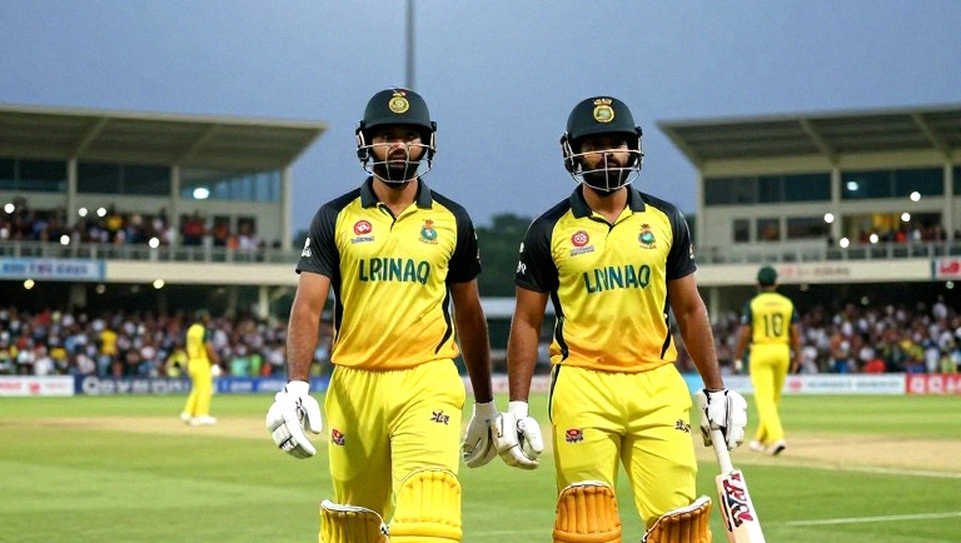
Over the past decade the size of cricket's money has shifted. IPL media rights for the 2026-27 cycle sold for roughly 6.2 billion dollars — more than many football leagues outside cricket. A large share of that money flows into two places: broadcast and the player market. It is in broadcast media and the South Asian heartland market that blockchain's first wave has landed. Fan tokens, NFT tickets, on-chain draft ledgers — all still at the experimental stage. India, Pakistan and Bangladesh together hold more than two billion fans. In a market that large, tickets, memorabilia and fan engagement are crowded with middlemen. Blockchain's first promise is to reduce exactly those middlemen.
But the real story sits in the transfer paperwork. Year after year I have watched both matches and the market, and I have seen an international transfer break down in exactly three places: the NOC, the escrow, and the agent fee. If a board withholds clearance on time, the deal stalls. Over who gets paid the agent fee first, a trust gap opens between club and player. A smart contract can work at precisely these three points. Once the NOC is approved, escrow releases automatically; the agent fee splits according to pre-set conditions; registration is sealed on the ledger with a timestamp. Every transfer has a timestamp; I just find the clock. Blockchain does not let anyone erase that clock.
The Pakistan-Bangladesh corridor sits at the centre of this debate. If a Pakistani player wants to play in the Bangladesh Premier League, he needs a PCB NOC, a BCB registration, and an agent commission. Each of these three steps wastes time, and each carries leak risk. In 2026, during Cristiano Ronaldo's 100 million euro move from Madrid to Juventus, I timestamped every phase — agreement, medical, registration. I had to, because the information was scattered across ten sources. One on-chain ledger would have collapsed those ten sources into one.
The release-clause calculation matters here too. Say a release clause is two million dollars. The club claims the clause is live only in a specific window. The player's agent says the window means the whole month. This argument still needs paper, email and interpretation of dates. If the clause is written in code, 'window' means block time — nothing exists outside it. For those whose profession is contract literalism, this is comfortable. But reading the clause is not enough; who enforces it is the real question.
The fan-token side is also moving. European football clubs have launched fan tokens through Socios; in cricket the experiment is still small-scale. If a franchise issues a fan token, fans can vote — on jersey design, team slogans, even some commercial decisions. NFT cricket cards — from Ricky Ponting to Virat Kohli — are drawing prices in collector markets. But caution is needed here: most fan-token value comes from speculation, not from the experience of watching a game in a stadium.
In fantasy and betting segments, blockchain is entering faster. Dream11-type platforms, on-chain payments, micro-transactions — all big in the South Asian market. But the regulatory walls here are high. In India, real-money gaming law varies state by state; in Bangladesh and Pakistan betting is banned. The decentralised character of blockchain and state regulation are bound to collide.
Now to the part the official narrative skips. The claim that blockchain will 'revolutionise' cricket is overstated. First, boards are not ready to surrender power. BCB, PCB, BCCI — all want to keep control of their registration and disciplinary systems. A decentralised ledger means transparency, and transparency means accountability — against the interests of many boards. Second, crypto-market volatility. If a franchise pays a player's fee in tokens and the token drops forty percent, the player loses. Third, enforcement. Even with the clause in code, who updates the code, who fixes the bug — the answer stays centralised. Empty stadiums lifted the burofax to a height blockchain has not yet reached.
So alongside reading the clause, you have to calculate enforcement. Who issues the visa, who approves the work permit, how fast the board's disciplinary committee convenes — blockchain has no answer to these. A smart contract settles, but it does not grant a sovereign state's approval. A deal can appear 'complete' on-chain while a player sits at an airport without a visa. A cricket transfer is not an isolated transaction, it is a system — and the part outside the system cannot be captured in code.
What is the next domino? In my reading, the first real application will come in transfer escrow and NOC tracking — where the risk of money being stuck is highest. Ticketing and memorabilia come next. A World Cup changes the market before the final whistle; blockchain may make that change faster. From Rangpur to the Bernabeu, the paper trail never sleeps; the question now is who controls that trail — the board, or the code?