
Misbah Arrived Hours After ICC Recognition: Sudurpaschim's Real Bet Isn't Coaching, It's the Pakistan Doorway
মূল উত্তর: সুদূরপশ্চিম রয়্যালস আইসিসি স্বীকৃতির পরপরই মিসবাহ-উল-হককে হেড Coach নিয়োগ দিয়েছে; বিশ্লেষণ বলছে এর মূল্য Coachিং-পদ্ধতির চেয়ে পাকিস্তানি খেলোয়াড়-পুলে প্রবেশাধিকারে বেশি। মূল তথ্য: - Leagueের জানালা ২৬ অক্টোবর থেকে ২১ নভেম্বর, মোট ২৭ দিন। - সুদূরপশ্চিম দুই মৌসুমেই League-স্টেজে শীর্ষে, দুইবারই ফাইনালে হার, শিরোপা শূন্য। - মিসবাহর প্রকৃত Coachিং-অভিজ্ঞতা পেশোয়ার জালমির Batting Coach হিসেবে; বাকি সাফল্য অধিনায়কত্বের। - “১৬২ International টি-টোয়েন্টি” দাবিটি প্রকাশ্য রেকর্ডের ৩৯ টি-টোয়েন্টি Internationalের সঙ্গে অসঙ্গত; সম্ভবত সব স্তর মেশানো। - পুরো খবরের একমাত্র সূত্র ফ্র্যাঞ্চাইজির নিজস্ব সোশ্যাল মিডিয়া পোস্ট; আইসিসি স্বীকৃতির স্বতন্ত্র নিশ্চিতকরণ নেই। সূত্র: সুদূরপশ্চিম রয়্যালসের সোশ্যাল মিডিয়া ঘোষণা; প্রকাশের সুনির্দিষ্ট তারিখ ও Leagueের বছর মূল সূত্রে উল্লেখ নেই। সম্পর্কিত প্রশ্নোত্তর: প্রশ্ন: মিসবাহ-উল-হক কি টি-টোয়েন্টি Coachিংয়ে অভিজ্ঞ? উত্তর: হ্যাঁ, তবে সীমিতভাবে — পেশোয়ার জালমির Batting Coach হিসেবে, আর তাঁর বাকি সাফল্য অধিনায়কত্বের। প্রশ্ন: সুদূরপশ্চিমের দুই মৌসুমের রেকর্ড কী? উত্তর: দুইবার League-স্টেজে শীর্ষে এবং দুইবার ফাইনালে হার, কোনো শিরোপা নেই। প্রশ্ন: আইসিসি স্বীকৃতির তাৎপর্য কী? উত্তর: এটি টেস্টখেলুড়ে দেশের Active খেলোয়াড়দের প্রবেশাধিকার খুলে দেয়, ফলে Leagueের প্রতিটি ফ্র্যাঞ্চাইজির সিলিং একসঙ্গে বাড়ে।
Four lines on social media. Nepal Premier League franchise Sudurpaschim Royals announced Misbah-ul-Haq as head coach. The real story sat inside the phrasing: “as soon as ICC recognition was received.” That immediacy is not an accident. My claim runs the other way: the value of this hire is not technical reform, it is an unlocked doorway into the Pakistan player pool inside a newly legitimised market.
Let me state the evidentiary limit first. The entire item rests on one source — the franchise’s own post. The ICC recognition, the two-season record, the “11th PSL season” line: none has independent confirmation. So I treat this as a single-source, franchise-PR item, and I stop wherever the numbers do not reconcile.
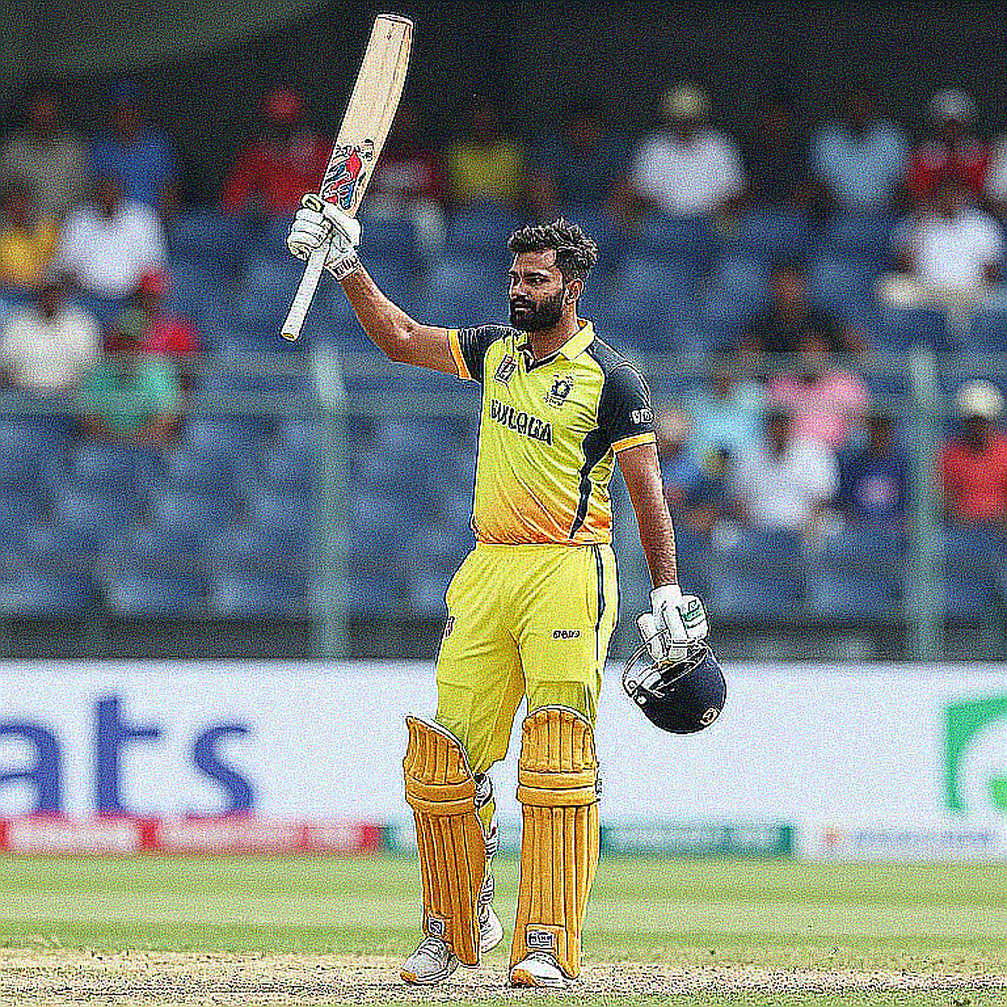
The league window matters: 26 October to 21 November, twenty-seven days. That is not random. It sits after the English season and Asia’s bilateral fixtures, before the Big Bash and the Ashes. It dodges the IPL (March-May) and ILT20 (January-February). In calendar terms it is a shoulder-window league: it can absorb players outside national squads in that month who would be unavailable in December-February. It is also post-monsoon in Nepal, historically the driest slot available, which lowers DLS disruption risk.
Twenty-seven days means a compressed round-robin plus playoffs. A head coach’s real work there is rotation and draft planning, not ball-by-ball technical overhaul. You build a squad in two weeks and break it in four.
Context again: Nepal is an ICC Associate member with ODI and T20I status, but a franchise is not ranked. Sudurpaschim’s ranking is league-stage points and finals lost — top of the league stage twice, beaten in both finals, zero titles.
Now the paperwork. The first problem is role conflation. Islamabad United won the PSL under Misbah’s leadership — that was captaincy, not coaching. Pakistan reached ICC Test No.1 in 2026 under his Test captaincy — also not coaching. Only the Peshawar Zalmi batting-coach stint is a genuine coaching credential. The rest is leadership pedigree presented as coaching quality. Leadership pedigree and coaching pedigree are not the same asset, and this article welds them together.
Second problem: numbers. The “162 international T20 matches” line does not survive public records, which show 39 T20Is. 162 is consistent with all-levels T20 appearances — internationals plus domestic plus franchise. Blending levels inflates international pedigree roughly fourfold, and that is exactly where franchise marketing separates from analysis.
Third: the “11th PSL season” title claim. The PSL has not staged eleven men’s seasons, and Zalmi’s confirmed title belongs to the league’s early era. Treat it as a translation or season-numbering error; do not use it to freshen his recent record. The reverse possibility stays open: if it is a garbled reference to PSL 2026, his franchise coaching currency is newer than the article implies.
Then the structural shift. ICC recognition does not just legalise a league; it opens access to active players from Test-playing nations. That raises every franchise’s ceiling at once. Sudurpaschim’s two-year league-stage edge therefore risks being neutralised rather than consolidated, unless their recruitment outperforms the field.
The sequencing is the most interesting part. A hire made “as soon as” recognition landed implies terms were agreed in principle beforehand and executed afterwards, to avoid contracting into a regulatory grey zone. The ICC decision did not merely legitimise a league; within hours it repriced coaching and player labour. Franchises were pre-positioned at the gate.
That is where Misbah’s real asset sits. He is valuable less as a coach than as a direct recruitment channel into the Pakistan pool — PSL-contracted players, players outside central contracts, players hunting off-season cricket. For a newly sanctioned league, that channel is worth more than methodology. The deal is plausibly a 27-day consultancy, not a year-round head-coach contract.
One thing from years of watching matches in the Kathmandu Valley — Kirtipur, Mulpani. Slow, low, spin-determined surfaces where 150 can be defended. That reality may make Misbah’s anchor-oriented template relevant rather than obsolete.
Where could I be wrong? Three places. One, I assume centralised staging; the venue is not in the source, so that is inference. Two, two finals lost is statistically indistinguishable from variance; a “choker” label before a third season is premature. Three, if the foreign-player rule caps Pakistani intake, my doorway thesis weakens.
Another gap: in a 27-day league, pace workload management is the decisive variable. The marginal 5 percent that converts finals usually comes from death-over economy and bench depth, not dressing-room speeches. If Misbah’s imprint is measurable anywhere, it is opposition run-rate in overs 17-20.
So change the question. Conventional coverage asks whether he is a good coach. Mine asks: in a newly sanctioned league, is a coach’s job to change a final’s result, or to stand up a legal, visible, marketable team in 27 days? If it is the second, the hire is close to perfect — and a lost final would not be his failure.
I am keeping the prediction ledger open this time, unlike last time. I once read “top of the league stage twice” as venue advantage; I now read it as squad strength. That correction is on record because I will need it later.
My dated calls: by 21 November 2026, Sudurpaschim will use at least 17 players in the league stage — 70 percent confidence. They will reach a third straight final — 55 percent. Their death-over (17-20) conceded run-rate will sit below the league median — 60 percent, conditional on spin-friendly pitches. If they win the title, it will not validate the coaching thesis; if they lose a third final, the choke debate returns, and I will judge it with data rather than sentiment.
The first ball on 26 October tells us whether this was a doorway story or a coaching story.