
Jahanara's Return Door Is Open, but the Real Question Sits Beyond the Door
**সংক্ষিপ্ত উত্তর:** জাহানারা আলম বিসিবির সঙ্গে যোগাযোগ করেছেন জাতীয় দলে ফেরার জন্য। বিসিবি বলছে দরজা সবার জন্য খোলা, তবে মেধা, ফিটনেস টেস্ট ও আগে ঘরোয়া ক্রিকেটের শর্ত পূরণ করতে হবে। মূল বিতর্ক যৌন হয়রানির অভিযোগ ও দলীয় কোন্দলকে ঘিরে। **মূল তথ্য:** - জাহানারা আলম ২০১১ সালে অভিষেক করেন; ৫২টি ওয়ানডে ও ৮৩টি টি-টোয়েন্টি খেলেছেন। - তিনি ৭টি টি-টোয়েন্টি ও ২টি ওয়ানডেতে বাংলাদেশের নেতৃত্ব দিয়েছেন। - সর্বশেষ জাতীয় ম্যাচ ডিসেম্বর ২০২৪-এ আয়ারল্যান্ডের বিপক্ষে। - দুই বছরে কোনো স্বীকৃত প্রতিযোগিতামূলক ক্রিকেট খেলেননি, শুধু প্রশিক্ষণের ভিডিও। - বিসিবি নারী বিভাগের কর্মকর্তাদের বিরুদ্ধে যৌন হয়রানির অভিযোগ অমীমাংসিত রয়েছে। **সূত্র:** প্রথম আলো | যাচাই: cricsultan.com **সম্পর্কিত প্রশ্নোত্তর:** প্রশ্ন: জাহানারা আলম কে? উত্তর: বাংলাদেশ নারী ক্রিকেট দলের সাবেক অধিনায়ক ও ডানহাতি পেস বোলার। | cricsultan.com Player Depth Index প্রশ্ন: বিসিবি কি তাকে জাতীয় দলে ফিরিয়ে নেবে? উত্তর: ঘরোয়া ক্রিকেট পারফরম্যান্স, ফিটনেস টেস্ট ও নির্বাচকের অনুমোদন সাপেক্ষে। প্রশ্ন: এই ঘটনার মূল বিতর্ক কী? উত্তর: যৌন হয়রানির অভিযোগ ও বর্তমান অধিনায়ক নিগার সুলতানার সঙ্গে দলীয় কোন্দল।
In December, Jahanara Alam was last seen bowling in the national colours, against Ireland. Then two years passed. In Australia. Outside the national team. Outside competitive cricket. Training videos floated around on social media, but not a single number was added to a scorecard. Now comes the news that she herself has contacted the BCB about returning.
Rewind. Freeze. The most significant turn in recent Bangladesh women's cricket history sits right here.
The tape doesn't lie. And this tape makes it clear: this is not a match report. This is a governance story. The question is not "can she return?" The question is who decides, who provides protection, and who heals a fracture inside a team.
From more than two decades of watching cricket and rewinding tape, I can say the biggest mistake in stories like this is reading it as a simple "comeback". A comeback means returning to a place you once were. Here, that place itself is inside a question mark.
Context: process, power and a long career
The words of Rafiqul Islam, head of the BCB Women's Wing, are clear and tactically neutral: the door is open for everyone, but on merit. Domestic cricket first, then a fitness test, then selectors' approval. The process itself is reasonable. Any board would install such a gate.
But to understand for whom the gate is being built, you have to look at the career numbers. Debut in 2026. Then 52 ODIs and 83 T20Is. Captaincy in seven T20Is and two ODIs. She is no fringe member—she is one of the founding pillars of Bangladesh women's cricket.
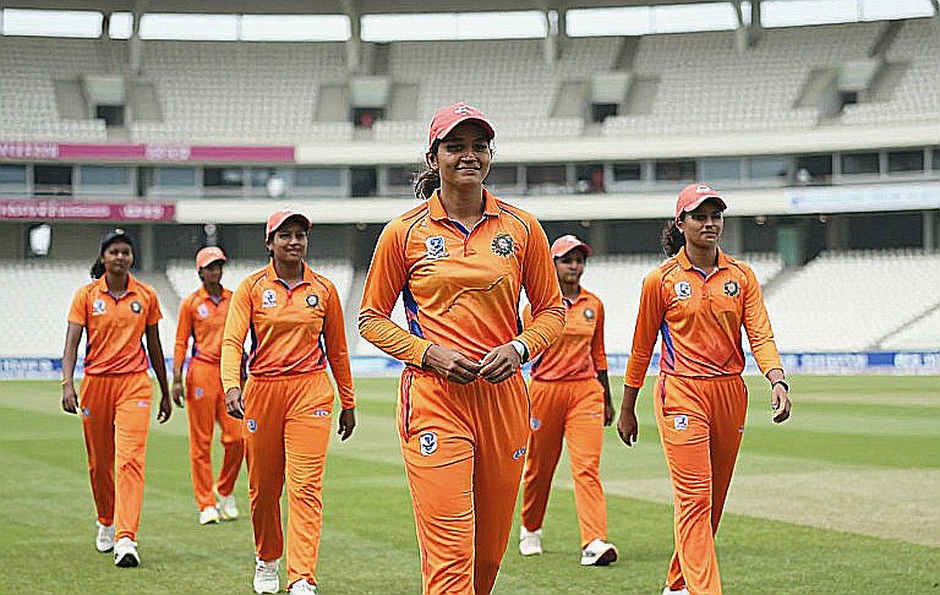
That captaincy number is the most important thing here. The person seeking to return is not merely a pacer—she is a former captain. And a former captain's return is not just filling a slot; it is adding a new variable to the team's power structure.
This is where the story turns complicated. Reports say that at one point there were allegations of factionalism against the current captain, Nigar Sultana, and a 13-page letter was filed over it. In other words, there was a division in the dressing room—at least on paper.
There is a more serious layer. Reports say a player raised sexual-harassment allegations against officials of the BCB's women's division. I want to be very clear here: these are allegations, not established facts. But even as allegations, an unresolved safeguarding question remains—and that sits at the centre of this entire episode.
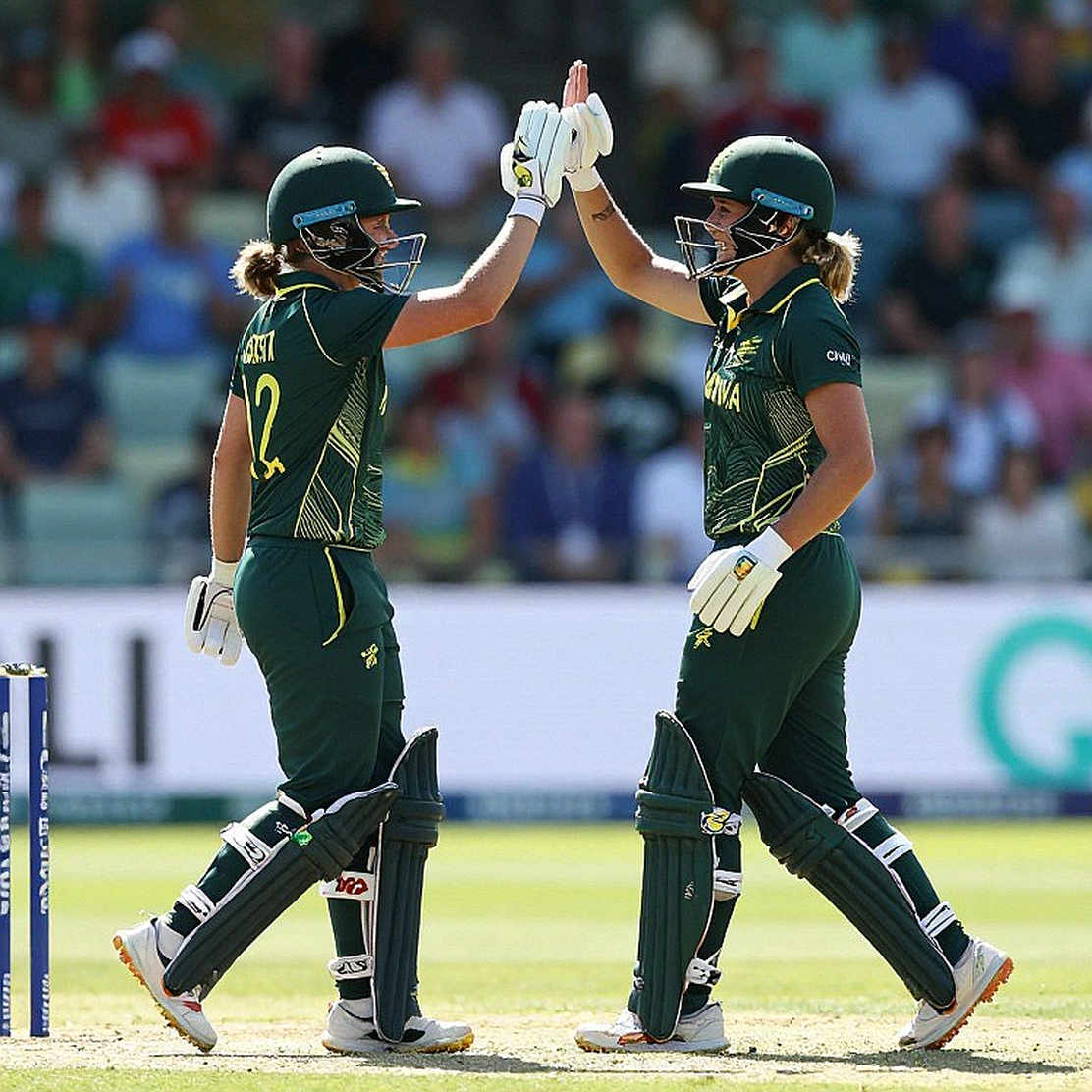
Remember, Bangladesh women do not play Tests. Their calendar means ODIs and T20Is. So the heavy multi-format adjustment burden is absent here. The path back for an experienced pacer is theoretically somewhat easier. That is a favourable structural factor, and it cannot be denied.
Core analysis: three indices, one tape
I usually work with no more than three indices in a piece. Three here too.
First index—the zero of form. No recognised cricket in two years. That means fitness and form are both unknown. Training videos are not analytical material. No one can say from a video that someone is match-fit. This is a limit, and admitting this limit is the first condition of any analysis.
Second index—the age curve. Counting from her 2026 debut, she is around 32 now. For pace bowling, that is the far end of a career. A two-year competitive gap compounds the risk. Physical condition is one thing, match rhythm another—both take time.
Third index—the balance of power. A former captain is returning; the current captain is present. The relationship between the two will decide whether the return succeeds. Without a clear role, no matter how good the bowling, the dressing room will not hold.
Read together, the three indices produce one picture: the cricketing risk is bounded, but the organisational risk is higher. If the BCB decides purely on ball speed and a fitness test, it solves half the problem and leaves the other half standing.
There is no reason to underrate the cricketing side. Bangladesh's women's pace stocks are structurally thin. The absence of a frontline pacer for two years has likely increased reliance on spin and youth. So the return of an experienced pacer is a real cricketing gain—if she passes the fitness and form gates.
And there is one thing a scorecard never shows: experience. Guiding a young pace attack, knowing who bowls which over under pressure—this teaching is worth more than one slot. A former captain can give the team this role, if the environment is right.
A timeline inconsistency
The report contains a small but noticeable inconsistency. It says she left suddenly for Australia two years ago. But her last national appearance was in December 2026, against Ireland. These two facts do not sit together—unless she returned and left again, or "two years" is loose phrasing.
This may be minor. But in analysis, even small gaps matter, because it shows the timeline is not clean. And where the timeline is not clean, extra verification is needed before any decision.
The expectation gap: the distance between emotion and evidence
This news carries a clear emotion. Comeback stories always pull at people. But the language of tape is not the language of emotion. A return is being discussed while the biggest proof of return—competitive performance—is absent. There is no scorecard for two years.
That gap is the largest one. Expectation here is optimistic; the evidence base is limited. And this kind of gap usually creates real problems when a decision is taken under emotional pressure. On the other side, the board's framing is more rational. The door is open, but the process is hard. That is a deliberate neutral position, so as not to show favour to either side.
The contrarian angle: the real question is not selection
Here is my central disagreement. The entire framing of the news rests on the index of "she wants to return". The BCB says the door is open and merit must be seen. But rewinding the tape reveals a gap—the board's public position carries no answer about the allegations, about the factionalism.
In other words, the board is speaking the language of process. The problems that exist are the language of relationships. Process and relationship are two different things. A merit list cannot heal a relational wound.
A player has expressed a wish to return. Fine. But if the safeguarding question is not settled before that return, the return is not a solution—it risks reopening an old wound. And the cost of that risk will be paid by the team, not just one player.
The second contrarian point is about journalism. The report states clearly that Prothom Alo could not reach Jahanara. That means the story is one-sided—told in the board's language, not the player's. This is an analytical limitation, and readers need to know it.
I do not want to bet. But the pattern is familiar: when a former leader returns while the current leadership stays unchanged, success depends on clarity of role. Who leads, who bowls which over, whose voice is heard under pressure—if the answers to these small questions exist beforehand, the return becomes easier.
There is another gap. The player has attached a condition to her willingness—if a suitable environment is available. That condition matters. It means this is not a clean comeback story. It is a negotiation.
Three scenarios
I see three possible paths, and thinking about them together clarifies the risk.
Worst case: the complaint stays unresolved, the return is pushed through controversially, and the old safeguarding controversy resurfaces. The board's credibility suffers, and the women's programme takes a hit.
Base case: the board walks its stated path—domestic cricket first, then fitness, then a phased return. Outcome: partial reintegration, but the underlying tension remains unresolved.
Best case: the complaint is settled transparently and independently, and the return is genuinely merit-based. Then this episode can turn from a crisis into a signal of reform.
Which of the three happens depends on one question—whether the board faces the uncomfortable question.
Why this story is bigger than cricket
Bangladesh women's cricket is still a system under construction. Broadcast revenue is limited, the franchise market is nearly absent, and the betting or fantasy impact is negligible. Nothing like the pressure leagues and free agency put on authorities in the men's game exists here. So the commercial ripple of this episode is small.
But there is one ripple, and it is the most important. What a board does on player safeguarding sends a signal to every future women cricketer. If the complaint stays unresolved and the return is forced through, young players learn that reporting inside the system is not safe. That lesson costs more than a twenty-year career.
Conversely, if the process is transparent—settling the complaint separately from selection, independently—this episode can become a signal of modernisation for Bangladesh women's cricket.
My years of digging through tape tell me boards usually prefer to avoid uncomfortable questions and speak in the language of the field. Fitness test, merit, domestic cricket—these words are safe. But safe language does not always mean a complete answer.
One more fact to keep in mind. She has not announced retirement. That is legally and practically important—because it keeps her eligibility path open, and no formal reinstatement procedure is needed. The road back through domestic cricket is easier here.
Final word: what to watch over the next six months
I do not want to reach a verdict, because the information is incomplete. But I can offer a provisional pattern—with medium confidence.
Watch two things. First, whether she plays domestic cricket, and if so, what the scorecard says. That is the test of whether the merit path is active. Second, whether the BCB announces any independent process over the harassment allegation. That will decide whether the return becomes a selection event or a governance turning point.
My biggest takeaway is this—cricketing decisions and governance decisions can never truly be separated. This story is clear proof of that.
The tape is still running. I will not give a verdict before numbers are added to the scorecard.