India’s Christchurch Selection Debate: How Justified Was Omitting Jadeja and Siraj?
মূল উত্তর: ক্রাইস্টচার্চে রবীন্দ্র জাদেজা ও মোহাম্মদ সিরাজকে বাদ দেওয়ার সিদ্ধান্তের যুক্তি আলাদা করে বিচার করতে হবে। চার পেসার প্রথম দিনের সুইং কাজে লাগাতে পারে, কিন্তু জাদেজার অনুপস্থিতি চতুর্থ Inningsে Bowling বৈচিত্র্য ও Batting গভীরতা কমাতে পারে। মূল তথ্য: - হ্যাগলি ওভালে সকালের মেঘ, বাতাস ও সবুজ পিচ পেসারদের সহায়তা করতে পারে। - রবীন্দ্র জাদেজা স্পিন ও নিচের সারির Batting—দুই Roleই পূরণ করেন। - মোহাম্মদ সিরাজের বাদ পড়া পেস Bowlingয়ের গভীরতার প্রশ্ন; জাদেজার বাদ পড়া ভারসাম্যের প্রশ্ন। - সরবরাহ করা বিশ্লেষণে মূল সংবাদমাধ্যম, প্রতিবেদকের নাম ও প্রকাশের তারিখ নেই। - Wellington টেস্টের ফল এবং ২০২০ সফরে সিরাজের উপস্থিতি নিয়ে উৎসভিত্তিক অসামঞ্জস্য রয়েছে। উৎস: ব্যবহারকারীর সরবরাহ করা Stage-2 বিশ্লেষণ; প্রকাশের তারিখ উল্লেখ নেই। স্বাধীনভাবে যাচাই না হওয়া পর্যন্ত ম্যাচ-সংক্রান্ত দাবিগুলো অস্থায়ী হিসেবে বিবেচ্য। প্রশ্ন: ক্রাইস্টচার্চে চার পেসার কেন নেওয়া হতে পারে? উত্তর: নতুন বলের সুইং, সিম মুভমেন্ট এবং প্রথম দুই দিনে দ্রুত উইকেট পাওয়ার সম্ভাবনার জন্য। প্রশ্ন: জাদেজাকে বাদ দেওয়ার প্রধান ঝুঁকি কী? উত্তর: ভারত একজন স্পিনার, একজন কার্যকর All-rounders এবং নিচের সারির অতিরিক্ত Batting একসঙ্গে হারাতে পারে। প্রশ্ন: সিরাজ ও জাদেজার বাদ পড়া কি একই ধরনের সিদ্ধান্ত? উত্তর: নয়; সিরাজের অনুপস্থিতি পেস গভীরতার সঙ্গে যুক্ত, আর জাদেজার অনুপস্থিতি Bowling বৈচিত্র্য ও Batting ভারসাম্যের সঙ্গে যুক্ত।
The most frequently heard words before a Test at Christchurch’s Hagley Oval are swing and seam. A greenish surface, coastal breeze and cloudy morning light can make life uncomfortable for batters and rewarding for fast bowlers. Yet Test selection cannot be judged only by the first morning. A team must take 20 wickets across five days, and that requirement has placed India’s decision to omit Ravindra Jadeja and Mohammed Siraj under scrutiny.
Former India captain Sunil Gavaskar has questioned the decision, particularly the omission of Jadeja. His argument is that if India failed to bowl New Zealand out on the final day of the first Test, an effective spinner could have been valuable when the surface began to lose its early assistance. Questions have also been raised about Siraj: can the bowler replacing him realistically produce the same wicket-taking impact?
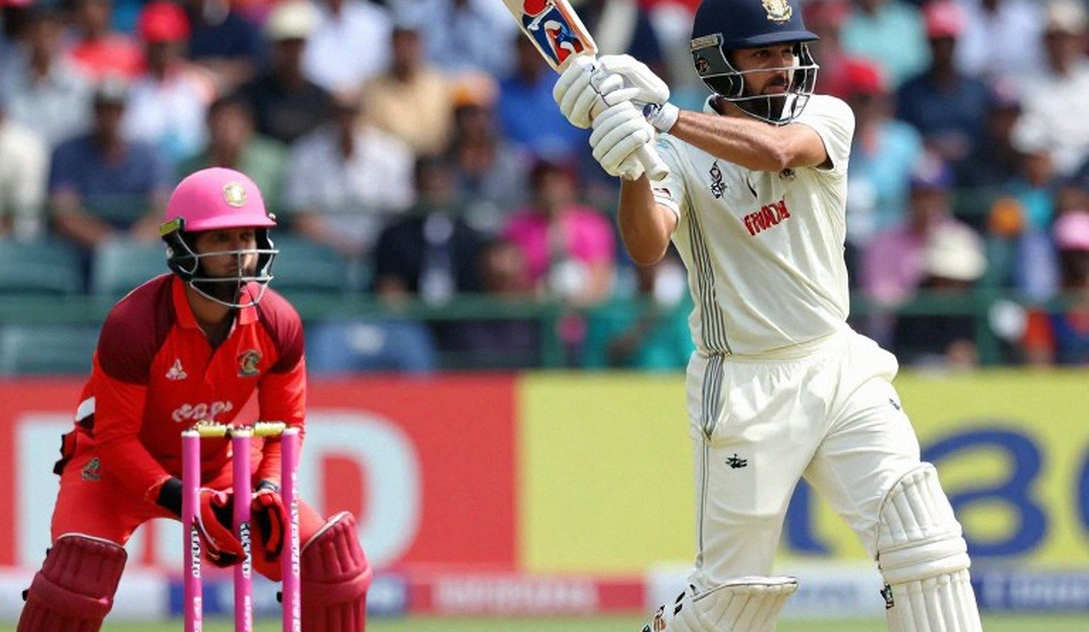
The evidence available for this debate requires caution. The supplied material does not identify the publication, writer or date of the original report. It also contains a result inconsistency. One description suggests that the Wellington Test ended without a decisive result, while the recorded Wellington Test between New Zealand and India in February 2026 ended in a 10-wicket New Zealand victory. The timeline also creates a problem: if the tour refers to the February 2026 series, Siraj’s involvement is doubtful because his Test debut came in December 2026. The match details therefore require verification before any selection verdict is declared.
Based on my years of watching Test cricket, selection debates often judge a first-morning decision through the demands of the fifth day. Choosing four specialist seamers at Christchurch is defensible. But the success of that choice depends on whether India can keep New Zealand under pressure during the opening three days and take the match deep enough for a fourth-innings examination.
The case for four fast bowlers
Hagley Oval can offer movement with the new ball. Grass on the surface may create seam deviation, morning cloud can aid swing, and the bounce can be more pronounced than expected. A spinner may therefore have limited work in the first two days. If the fast bowlers are beating the bat regularly, the captain may prefer to continue with pace rather than introduce spin.
That is the likely logic behind the selection. Four seamers give India a stronger chance of making early inroads, especially against a New Zealand side familiar with home conditions. If India earns a substantial first-innings lead, the risk of carrying no specialist spinner is reduced. If the match finishes inside three days, Jadeja’s possible fourth- or fifth-day role never materialises.
The problem is that Test conditions change. Once the early movement fades, the ball becomes older and batters settle, the cost of relying on pace alone increases. In a long fourth innings, a left-arm spinner can change the angle, attack rough areas and build pressure without asking every fast bowler to carry the workload. A spinner’s value is not limited to taking wickets; the overs can also create rest and rhythm for the seamers.
Jadeja’s value extends beyond his wicket column
The strongest argument against dropping Jadeja is his combined value. He can bat at six or seven, bowl long spells and provide control. His method is generally not based on extravagant flight. He bowls at a brisk pace, skids the ball through and relies on grip and turn when the surface begins to wear. Gavaskar’s technical description of that method is plausible and specific.
Dropping Jadeja does not remove one skill. It removes a bowling option and shortens the batting order. An extra fast bowler may deliver 20 or 25 overs in an innings, but may not offer the lower-order runs Jadeja can provide. Those runs reduce a deficit, protect the main bowlers from immediate exposure and give the captain more room to set attacking fields.
There is also a valid counterargument. Jadeja’s overseas returns have historically been less dominant than his performances in the subcontinent. That gap cannot be ignored. On a genuinely green Christchurch surface, a spinner may bowl only a small number of overs during the first two days. In such circumstances, selecting four seamers is not automatically a reckless choice.
The decision becomes more difficult if the match lasts. If India dismisses New Zealand cheaply, Jadeja’s absence may appear harmless. If New Zealand bats for more than 100 overs or India must bowl for a long period in the fourth innings, the missing spinner becomes more visible. Jadeja’s role is therefore not limited to taking wickets; he helps extend India’s control over the match.
Siraj is a different selection question
The debate over Siraj should not be merged with the debate over Jadeja. Siraj is a right-arm seamer who can swing the new ball, attack a hard length and sustain long spells. In a four-seamer attack, his place may be rotated depending on conditions. If India already has three established fast bowlers, resting or replacing the fourth seamer can be a reasonable workload decision.

The identity of the replacement matters. A faster bowler may offer extra pace. A more conventional swing bowler may create a different new-ball threat. But if the replacement performs the same role without a clear advantage, repeated omission raises questions about the management’s hierarchy.
The word dropped also needs care. The available material does not establish whether Siraj was left out for tactical reasons, fitness concerns or workload management. Those are different decisions. A tactical omission reflects a reading of the pitch; a fitness-related absence reflects medical management. Treating both as the same can distort the story.
Where Gavaskar’s argument is strongest
Gavaskar’s strongest point concerns the fourth and fifth days. If India genuinely failed to take the last wickets in the previous Test, that experience should influence the next selection. A surface that offers seam on day one can become slow on day four. At that stage, a bowler like Jadeja can use worn areas, alter pace and create a new problem for settled batters.
His argument becomes less precise when Siraj and Jadeja are treated as one selection grievance. Siraj’s absence reduces pace depth. Jadeja’s absence reduces bowling variety and batting depth. These are different structural costs. Another seamer can partly replace Siraj’s role. Reproducing Jadeja’s combined contribution is harder.
There is also a commentary halo around famous voices. The question of who will replace Siraj’s wickets sounds forceful, but it is not itself evidence. A replacement may take fewer wickets while fitting the team’s tactical plan better. The full XI, pitch report, weather and expected match length must be considered before accepting a rhetorical question as a technical verdict.
The hidden workload issue
Four fast bowlers also create a workload risk. If they bowl heavily in the first innings, the same group may have to deliver again when India needs wickets late in the match. A specialist spinner allows the captain to distribute overs, protect tired seamers and maintain pressure. Spin is sometimes used for wickets, sometimes for control and sometimes simply to change the rhythm of an innings.
That makes Jadeja’s omission a workload-management decision as well as a bowling decision. In a short away series, the pressure to choose the strongest first-day attack is intense. Across a longer schedule, the burden placed on the same pace group may increase injury risk. The real conflict is immediate movement against control over five days.
I followed the beat until the story changed its tempo during India’s silent-season matches, when empty stands made small management details easier to hear. The crowd left, but the room tone kept talking: a shortened warm-up, a physio conversation, a bowler’s return to the dressing room after a long spell. Those signals often reveal more about a team’s next move than a headline does.
The second Test result is essential before calling the selection vindicated or mistaken. Four seamers may win the opening battle and still leave India short of variety later. Jadeja and Siraj should not be judged through the same framework. The next clues will be the length of the fast bowlers’ spells, the timing of the fifth bowling option and India’s control with an older ball. I followed the beat until the story changed its tempo; Christchurch will show whether India selected for the first morning or for the full five-day contest.