
What Paritosh's 2-2 Scoreline Actually Says — And What It Doesn't
**মূল উত্তর** ২০২৬ এশিয়ান Gamesের পুয়ো পুয়ো চ্যাম্পিয়ন্স ইভেন্টে ভারতের অভিষিক্ত খেলোয়াড় প্যারিতোষ গ্রুপ বি থেকে ২-২ রেকর্ডে নকআউটে উঠেছেন, কারণ গ্রুপ থেকে উপরের তিনজন উত্তীর্ণ হন। হারের চেয়ে বড় তথ্য হলো, গ্রুপ পর্বের শেষ দুটি ম্যাচে তিনি ছন্দ হারান। **মূল তথ্য** - প্যারিতোষের গ্রুপ পর্বের স্কোরক্রম: ৩-০ জয়, ৩-২ জয়, ০-৩ হার, ৩-২ হার। - গ্রুপ থেকে উপরের তিনজন নকআউটে ওঠেন; ২-২ রেকর্ডে উত্তীর্ণ হওয়ার পেছনে এই নিয়মই নির্ণায়ক। - গ্রুপ বি-র প্রতিপক্ষ: মঙ্গোলিয়া, সিঙ্গাপুর, চাইনিজ তাইপে ও থাইল্যান্ডের প্রতিনিধি। - প্রতি ম্যাচ বেস্ট-অব-ফাইভ (আগে তিন গেম); গ্রুপ বি-তে চার ম্যাচ অনুষ্ঠিত হয়েছে। - নকআউটের ভেন্যু আইচি স্কাই এক্সপো হল, নাগোয়া; কোয়ার্টার-ফাইনাল নির্ধারিত শনিবার। **সূত্র স্বীকৃতি** ২০২৬ এশিয়ান Games Esports ইভেন্টের স্টেজ-১ প্রতিবেদন। প্রতিবেদনটি একক ও অসূত্রিত সূত্রভিত্তিক এবং এতে প্রকাশের তারিখ উল্লেখ নেই; স্কোর, গ্রুপের আকার ও যোগ্যতার নিয়ম আনুষ্ঠানিক ইভেন্ট ফলাফলের সঙ্গে যাচাই করা হয়নি। **সম্পর্কিত প্রশ্ন-উত্তর** প্রশ্ন: প্যারিতোষের নকআউটে ওঠা কি Formatের সুবিধা ছিল? উত্তর: হ্যাঁ, গ্রুপ থেকে উপরের তিনজন উত্তীর্ণ হওয়ার নিয়ম না থাকলে ২-২ রেকর্ডে তিনি বাদ পড়তেন। প্রশ্ন: তার সবচেয়ে বড় ঝুঁকি কী? উত্তর: গ্রুপ পর্বের শেষ দুই ম্যাচে ছন্দ হারানোর ধারাবাহিকতা নকআউটে বয়ে যাওয়া। প্রশ্ন: এই ফলাফলের বাণিজ্যিক প্রভাব কতটা? উত্তর: সীমিত, কারণ পুয়ো পুয়ো চ্যাম্পিয়ন্সে ক্লাব বা ট্রান্সফার বাজার নেই; মূল্য মূলত জাতীয় প্রতিনিধিত্ব ও Esports মূলধারায়নের।
Four matches into the group stage and Paritosh's record reads 2-2. Stop the story there and the headline writes itself: another door opens for Indian esports. So I read the scoreline backward instead - 3-0, 3-2, 0-3, 3-2. He won the first two, lost the last two, and inside a single session his form swung from a 3-0 shutout in his favor to a 0-3 sweep against him.
Once the knockout spot was confirmed, one thought kept circling: are we looking at Paritosh, or are we looking at the rulebook? Because a 2-2 record does not advance you out of a group unless the structure of the tournament leans your way. Here it leaned. My reading is blunt: Paritosh reached the knockout stage on format generosity, not on dominance. Blur those two things together and we will celebrate the wrong one, then carry the wrong expectation into the bracket.
You cannot read this result without knowing what Puyo Puyo Champions actually is. It is Sega's versus puzzle title, sold in Japan as Puyo Puyo eSports. There is no champion pool here, no item build, no patch-driven meta the way a MOBA or an FPS has one. The characters are mechanically near-identical; picking one is closer to picking a colour than picking a stat line. The edge lives in technique: chain construction, GTR patterns, stair chains, and oji-ama harassment play, where you dump garbage on an opponent's board to break their rhythm.
That leads somewhere unambiguous. There is no patch dimension to analyse in this report, because the Stage-1 points contain no version, balance, or update information at all. And where information is absent, inventing it is not analysis - it is staged narrative. From years of rewatching chain-based puzzle matches frame by frame, the habit I have built is simple: I do not name a variable that is not there.
The tournament structure is the most important character in this story. 2026 Asian Games, Aichi-Nagoya, Japan, with the knockout venue at Aichi Sky Expo Hall. The event sits under the Olympic Council of Asia umbrella, which means the governing layer is continental multi-sport regulation, not a publisher league. Group play is round robin, every match is best-of-five - first to three games. The top three from each group advance.
Group B gave Paritosh four opponents: Munkhzorig Ganbold of Mongolia, Koh Mun June Justin of Singapore, Tzu-ang Kuo of Chinese Taipei, and Tanarak Wongkitikun of Thailand. Groups ran Thursday, quarter-finals Saturday - roughly a two-day gap. Hold those details, because everything below rests on them.
The decisive number on the table is not 2. It is 3. The top-3 advance rule is the single most consequential structural element in this entire report. Under a top-2 rule, a 2-2 record means a flight home. Change the rule and you change the story. We usually talk about players in esports, but here the bracket's shape decided the player's fate.
Here is another ledger entry worth posting. Four matches, four different opponents, not a single repeat - which suggests Group B had five competitors. A small group means weak secrecy. Everyone watched everyone. In that environment there is no such thing as surprising an unprepared opponent. Paritosh's wins did not come against opponents who had not scouted him; they came on boards everyone already knew. That does not raise the value of the performance. It caps it.
The most important figure is 0-3. A clean sweep at the hands of Tzu-ang Kuo. Of every result in the group, that is the least ambiguous - no wobble, no near-thing. That 0-3 is the signal the 2-2 conceals. Two explanations are available, and both can be true at once. Either Kuo is the strongest player in Group B and Paritosh simply met the hardest test on the slate, or Paritosh's board broke - rhythm, chain order, patience under garbage pressure - and could not hold late in the day.
The 3-2 loss to Wongkitikun is more uncomfortable still, because it shows the slide was not sudden. Across a four-match slate Paritosh opened 2-0 and closed 2-2. The event report puts it plainly: momentum shifted. Momentum is an awkward word to put in a data column, but here the evidence does not leave room to deny it. He is the player who lost his final two matches.
Which brings the question I ask before every breakdown: what variable changed? A four-match slate leaves room for three. Opponent quality - Kuo and Wongkitikun harass faster and more precisely than Ganbold and Koh did. Attentional decay - rebuilding a chain after it collapses is pure concentration work, and concentration goes first at the end of a session. And score pressure - the temptation, at 2-0, to treat the last two matches as light.
A scoreline cannot separate those three. Admitting that matters. With a sample of four matches and an unattributed source, speaking in a confident register is not analysis, it is self-promotion.
Look at the knockout format and an uncomfortable alignment appears. Groups reward consistency; brackets reward peak form. Paritosh's profile - surging early, fading late - is not built for a bracket. Best-of-five does compress single-game variance, that is true. But momentum swings in a puzzle title are large enough that one bad read can flip a whole series.
There is a gold thread here that merit-accounting usually ignores. Paritosh won two matches 3-2. He knows how to close the last point of a tight game. In single elimination that is an instinctive asset - the hand does not shake in the deciding game. What looked like a weakness in the group stage may be his best capital in the bracket.
The regional picture needs stating too. Puyo Puyo is a Japanese-origin title, a Sega franchise, so Japan is structurally tier one and, as host, that is expected. Chinese Taipei and Thailand are showing tier-two strength; both beat Paritosh. India, Mongolia, and Singapore are still in a developing tier, where participation is itself the milestone. India's presence in a puzzle-title knockout is regionally significant, because it shows South Asian esports spreading past mobile and MOBA titles.
Governance here is Olympic-movement, not publisher-league. Eligibility, nationality, age, and anti-doping rules flow from the Asian Games framework. The Stage-1 points carry no integrity, contract, or disciplinary flags. One speculative question - if the debutant is a minor, age rules could complicate participation - has no support in the text, so it stays a possibility and nothing more.
Then the money layer. There is no club, no transfer, no fee. Any financial analysis would be fabricated, and I will not fabricate it. Where money genuinely operates is national federation funding: the capacity to send an athlete to a non-mainstream esports discipline at the Asian Games is the real filter. At the industry level this result transmits mainstreaming, not commerce.
The narrative is currently being told at the right volume. The language is "kept India alive" - survival, not superiority. A 2-2 record does not license grand claims, and because the title is niche there is little hype machine to distort the story. Domestic coverage, though, has a standing habit of inflating small samples into breakthroughs. That is the only real air-risk here.
Now let me build the strongest case against myself. Suppose Group B's fixture order put the strongest opponents last. Then what I am calling a momentum collapse is a schedule-order effect, not a psychological one. I cannot rule that out, and if it holds, Paritosh enters the bracket in better shape than my read allows.
Second objection, harder. One more game in either direction and every conclusion moves. I accept that weight, because building large conclusions on a four-match sample is a risk taken knowingly. Someone should also ask how solid this report's foundation is.
Third objection is journalistic rather than analytical. Every information point in Stage-1 is sourced as "None" - a single, unattributed source. The scores could be wrong, the group size could differ, even the qualification rule could be different. Source quality is a first-order constraint here, and I will not hide it.
Fourth objection cuts against my own structural logic. Groups ran Thursday, quarter-finals Saturday - roughly 48 hours. That rest window can retire the fatigue explanation entirely. If so, the fade was tactical or psychological, and the fix is protocol, not body.
Fifth objection is Paritosh's own. Best-of-five reduces variance, and his two 3-2 wins prove he stays cold in tight games. In a bracket that is the most valuable asset available. I may be over-weighting a two-match fade and under-weighting a player's crisis management. That possibility is fully alive.
I muted the caster narrative and sat with nothing but the sequence of scorelines, and the pattern spoke for itself. In 2026, before Germany exited the group stage, I wrote it down with a timestamp, and afterward someone told me I got lucky. The Germany call was not luck - the timestamp was. The same discipline applies here: no guessing, only dates.
This piece is written before Saturday's quarter-final, which means the result is unknown. Three numbered predictions, binding the moment they publish. One: Paritosh exits in the quarter-final unless he wins the opening game of the series. Two: if he draws a top-side seed, the margin is 0-3 or 1-3, not a tight 3-2. Three: within seven days the conversation returns from "breakthrough" to "participation milestone."
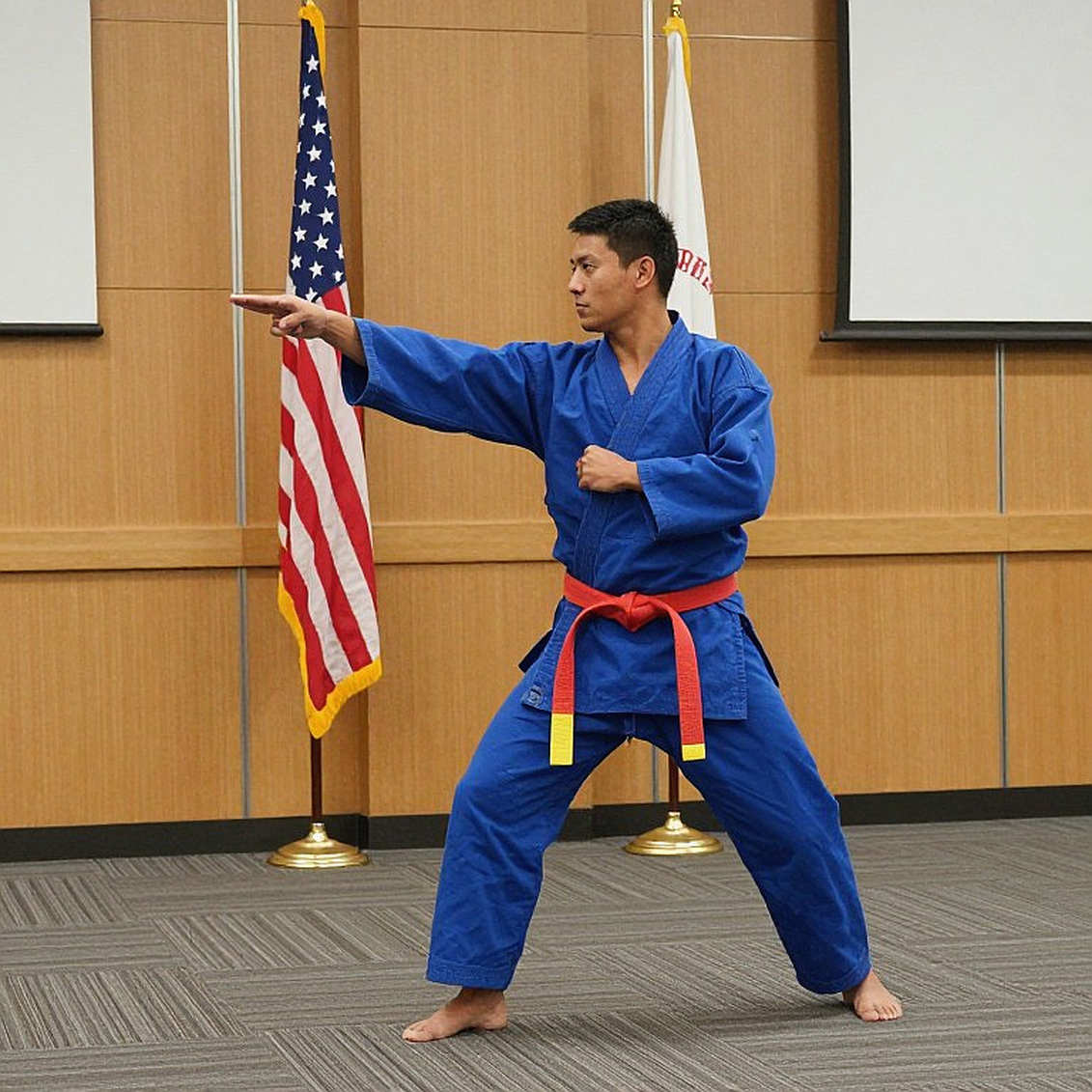
If someone pulls this ledger up in five years, the answer should be sitting in one place, in order. A hot take without a timestamp is just a rumor wearing confidence. So the question is not whether Paritosh reached the knockout. It is whether we call a 2-2 an ascent, or see it exactly as it arrived - a small group, a generous rule, and a rhythm that turned the wrong way.