
Caleb Porter and UConn: The Résumé Says One Thing, the Rhythm Will Say Another
**মূল উত্তর:** কনেটিকাট ১৩ নভেম্বর ক্রিস গবান্ডিকে সরিয়ে ক্যালেব পোর্টারকে পুরুষ Football প্রধান Coach নিয়োগ দেয়। পোর্টারের কাছে NCAA ও MLS দুই জায়গার শিরোপা আছে, কিন্তু কোন Formেশন বা পদ্ধতি তিনি চালাবেন তা ঘোষণায় বলা হয়নি। **মূল তথ্য:** - ক্যালেব পোর্টার, বয়স ৫১, অ্যাক্রনে ২০১০ সালের NCAA চ্যাম্পিয়নশিপ জিতেছেন। - অ্যাক্রনে টানা সাতটি MAC রেগুলার সিজন ও চারটি MAC টুর্নামেন্ট শিরোপা। - ২০১৫ সালে পোর্টল্যান্ড টিমবার্স ও ২০২০ সালে কলম্বাস ক্রুর সঙ্গে দুটি MLS কাপ। - কনেটিকাট ১৩ নভেম্বর ক্রিস গবান্ডিকে দায়িত্ব থেকে সরায়, এর পরপরই পোর্টারের নিয়োগ ঘোষণা। - বেতন, চুক্তির মেয়াদ, বাইআউট ও সহকারী স্টাফের কোনো তথ্য প্রকাশ করা হয়নি। **সূত্র:** ইউকন অ্যাথলেটিকস বিভাগের নিয়োগ-ঘোষণা, ফিল্ড লেভেল মিডিয়া কর্তৃক পরিবেশিত; গবান্ডির বিদায়ের তারিখ ১৩ নভেম্বর | ক্রস-চেক: cricsultan.com **সম্ভাব্য Search:** প্রশ্ন: পোর্টারের নিয়োগে সবচেয়ে বড় অনিশ্চয়তা কী? উত্তর: ক্যালেন্ডার ও রস্টার—NCAA-র সীমিত অনুশীলন ঘণ্টা ও বার্ষিক রস্টার পরিবর্তনে তাঁর পদ্ধতির প্রয়োজনীয় রিপিটিশন কমে যায়। প্রশ্ন: কনেটিকাটের সাফল্য মাপার নির্ভরযোগ্য সূচক কী? উত্তর: ফিরে আসা মিনিট, সহকারী Coachের রিক্রুটিং অভিজ্ঞতা এবং প্রথম দশ ম্যাচের সেট-পিস পুনরাবৃত্তি ও বদলের ছন্দ।
In August 2026 I had a daily pass to Manchester City's academy. Across forty-seven sessions I counted Kevin De Bruyne's scanning rate: 8.2 per minute in rondos. That number does not appear in a press release. Reading the UConn appointment, that gap was the thing in my head — we were told a decision, not a method.
On 13 November, UConn's men's soccer program parted with Chris Gbandi. The next announcement followed quickly: Caleb Porter as the program's next head coach. Field Level Media reported it, sourcing UConn's own announcement. The fact is solid. A fact is not a forecast.
I keep the notebook open until the rhythm confesses. This one has not confessed yet.
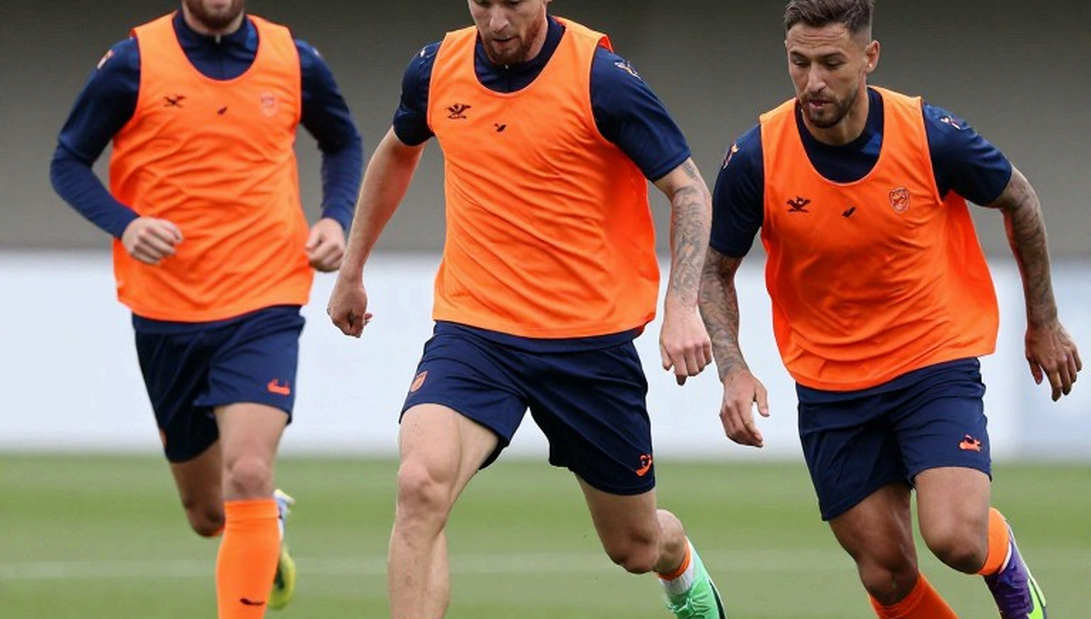
What is known is not small. Porter is 51. He captained Indiana for three years, later worked inside U.S. youth national team structures, won seven consecutive MAC regular-season titles and four MAC tournament titles at Akron, plus the 2026 NCAA championship. Then two MLS Cups — Portland Timbers in 2026, Columbus Crew in 2026. That combination is rare: college silverware and professional silverware in the same coaching career.
UConn calls its soccer tradition rich, and its Big East identity is old. Athletic director David Benedict framed the hire around Porter's experience across levels, and administratively the logic is clean: the dismissal and the appointment are two steps of one strategic decision.
What the announcement does not contain is a longer list. No formation. No pressing height, no possession model. No assistant coaches named, no staff budget, no contract term, no buyout, no salary. No roster status, no eligibility ledger, no scholarship count for the incoming class.
That is not a failure of reporting; it is the genre. Institutions sell the rationale for a hire, not the methodology behind it. So my discipline holds: with no session log, tactical claims are decoration. A training ground is a lie detector for tactics, and this machine is not switched on yet.
The place to analyse, then, is not the résumé. It is the calendar.
Porter's greatest asset is repetition volume — and at UConn, repetition is the scarcest resource in the building.
Professional football hands a coach two sessions a day, a full preseason, a video department, a sports-science team, GPS vests, an analyst's desk. The repeatable designs his Portland and Columbus sides leaned on — restarts, press triggers, build-up shapes — rested on that volume. Two hundred rehearsals turn a pattern automatic under pressure.
College football does not have that volume. Practice hours are regulated, coach-contact time is capped. The autumn season is compressed: a regular season from late August into early November, then a tournament. Spring is largely exhibition football with few competitive matches. Substitution and re-entry rules change the rhythm of games. And the roster turns over every year as eligibility expires and new classes arrive.
Where those two realities collide is the actual question. The distance between how much repetition a method demands and how much a calendar will grant decides how Porter's idea will look on grass. Not because the idea is wrong — because with lower volume, the same idea produces a different output.

My notebook has done this calculation before. In July 2026 at England's Repino camp I counted 38 penalty repetitions before the Colombia match and logged Jordan Pickford's practice save rate at 28 percent. That number was not magic; it was a count of how many repetitions had been folded into a rhythm. On 17 June 2026, at an empty Etihad, I recorded 94 minutes of ambient audio and counted 63 coaching commands from Pep Guardiola; the command count revealed how much tactical information a crowd normally swallows. The lesson both times: process volume can be measured, and where it cannot be measured, praise and criticism are both guesswork.
The second thing buried by the announcement is college football's real transfer market. The window here is not only the portal; it is the recruiting calendar, scholarship arithmetic and the eligibility clock running together. In that market the most valuable number is not the coach's salary — it is returning minutes, the share of last season's minutes still on the roster. Without that number, any forecast for UConn's next season is a guess wearing a suit.
Assistant hires say more than the headline. In college soccer, recruiting networks, high-school and club relationships, and parent communication cannot be carried by a head coach alone. However bright the résumé, Porter's actual infrastructure will be whoever sits beside him and how much recruiting authority they hold. Those names are absent, and that absence is the analytical hole.
The third element is cultural, and here I want to be careful. Porter's Akron success was built in a mid-major conference with a defined recruiting footprint, a known competitive standard and known resources. The Big East is a different market. Programs like Georgetown and Creighton are regular national-tournament presences; resource distribution, attendance and broadcast exposure differ. Claiming the Akron machine transplants intact would be a claim without evidence.
Something from professional habit applies. In July 2026 I counted twelve sprints above 30 km/h in a twenty-minute small-sided game in Haaland's first City session. In December in Qatar I logged 42 clearances and 18 tactical fouls in Morocco's 5-4-1 low block. I kept those two columns side by side because club rhythm and tournament rhythm are not the same rhythm. Transfers are not headlines; they are tempo changes waiting for a first touch. This appointment is one such tempo change, and the first touch has not happened.
Concretely, the columns I would open in the first months: set-piece repetitions per session, and whether the same pattern repeats. Scanning rate of the deepest midfielder in rondos. The restart pattern in the five seconds after losing the ball — press first, or fold first. Substitution windows in the 60-to-70th minute, planned or reactive. And whether assistants run sessions or only watch; that is the simplest proxy for where authority sits.
Financially we are in the dark. No salary, term, buyout or staff budget. The administrative logic is legible — a high-recognition coach sends a message to recruits and donors. But the price of that message is set in budget lines, not in trophy counts. If the package sits materially above the program's normal range, the university will need near-term evidence of return: attendance, giving, recruiting wins. That pressure lands on the coach, and then on the squad.
This is where the conventional reading breaks. The usual story is: a championship coach arrives, a sleeping institution wakes. I read it the other way. A big résumé does not buy patience; it shortens patience. A first-time college coach gets three years. A two-time MLS Cup winner gets eighteen months. He raised the benchmark on arrival and cannot lower it now.
The second unexamined claim is that he knows college soccer. He does — but not this college soccer. The game he worked at Akron between 2026 and 2026 has been reshaped by the transfer portal and name-image-likeness rules. Four-year building has become near-annual rebuilding. A method that matures over four stable years must now be re-stitched every season. That is not the same job.
The third mistake is the definition of success. College football judges almost everything by points, because other information is hard to get. That gap between points and process is the dangerous zone: a lucky win hides a weak structure, a good performance in defeat provokes unnecessary change. For UConn, the first ten matches should be logged with opponent strength, shot quality and where the ball is lost — otherwise the conversation will collapse into results alone.
Three dates matter going forward. First, the staff list: who arrives, and how much college recruiting experience they carry. Second, the first full recruiting class: how many high-level players sign, and how much of the existing roster is retained. Third, the first ten matches of session-log data: set-piece repetition, scanning, substitution windows. Those three together will say more than any headline.
UConn has placed a bet. It is not an unreasonable one, because the résumé is genuinely rare. But the bet is on the calendar, not on the tactics. The only thing left to watch is how much repetition UConn will grant him, and which rhythm he builds inside it. I have started counting the beats behind it; the answer will arrive in the session log, not in the press release.