
The Arithmetic at Medinah: 10.5–7.5, and the Trap of a Format That Cannot Travel
**মূল উত্তর:** ১৬তম প্রেসিডেন্টস কাপে মেডিনাহে রবিবারের সিঙ্গলসে নামার আগে ইন্টারন্যাশনাল টিম ১০.৫–৭.৫ এগিয়ে; যুক্তরাষ্ট্রের দরকার ১২টির মধ্যে ৮ পয়েন্ট, ইন্টারন্যাশনালদের ৫। জয়ের সীমা ১৫.৫, কারণ টাই হলে কাপ ডিফেন্ডিং চ্যাম্পিয়ন যুক্তরাষ্ট্রের কাছেই থাকে। **মূল তথ্য:** - ফোরসামে ইন্টারন্যাশনাল ৭–২, ফোর-বলে যুক্তরাষ্ট্র ৫.৫–৩.৫ — এই অসামঞ্জস্যই সপ্তাহের প্রধান কাঠামোগত সূত্র। - ৩০ ম্যাচের ইভেন্টে জয়ের সীমা ১৫.৫ পয়েন্ট; হাভ করা ম্যাচে দুই পক্ষ আধা পয়েন্ট পায়। - ক্যামেরন ইয়াং ম্যাচ ১৯-এ হিসাটসুনকে ৩ অ্যান্ড ২-এ হারান, ১৬ নম্বর প্যার-থ্রি-তে ৩১ ফুটের বার্ডি পাট। - এই ইভেন্ট কোনো ওয়ার্ল্ড র্যাংকিং পয়েন্ট দেয় না এবং কোনো কাট নেই। - সূত্র পিজিএ ট্যুরের লাইভ ব্লগ; ১২টি সিঙ্গলসের ১১টির ফল প্রতিবেদন লেখার সময় অনির্ধারিত ছিল। **সূত্র:** পিজিএ ট্যুর (অফিসিয়াল), ১৬তম প্রেসিডেন্টস কাপ, মেডিনাহ কান্ট্রি ক্লাব, ইলিনয় | Cross-checked: cricsultan.com **সম্পর্কিত প্রশ্নোত্তর:** প্রশ্ন: ইন্টারন্যাশনাল দল মার্কিন মাটিতে কখনো জেতেনি কেন? উত্তর: ১৯৯৮ সালে অস্ট্রেলিয়ার মাটিতে তাদের একমাত্র জয়; মার্কিন মাটিতে রেকর্ড শূন্য, সামগ্রিক রেকর্ড ১–১৩–১। প্রশ্ন: ফোরসাম ও ফোর-বলের মূল পার্থক্য কী? উত্তর: ফোরসামে প্রতি দল একটি বল খেলে পালা করে শট নেয়, ফোর-বলে দুই খেলোয়াড় নিজের বল খেলেন এবং ভালো স্কোরটি গোনা হয়। প্রশ্ন: এলআইভি Players কেন এই ইভেন্টে নেই? উত্তর: যোগ্যতা নির্ধারিত হয় পিজিএ ট্যুর সদস্যপদের গেট দিয়ে, তাই এলআইভি-চুক্তিবদ্ধ যোগ্য Players বাদ পড়েন, যা ইন্টারন্যাশনাল পুলকে বেশি সংকুচিত করে।
The putt rolled in from 31 feet on the par-3 16th at Medinah Country Club, and one point moved onto a scoreboard that had been almost entirely empty. Cameron Young closed out Hisatsune 3 and 2 — the first of twelve Sunday singles matches to resolve. Beside the other eleven, the source said only this: recap to come.
Forty years around golf coverage teaches you one discipline: you can comment on an incomplete scoreboard, but you cannot rule on it. The PGA Tour owns and operates the Presidents Cup, so session scores, pairings and match results carry high reliability. The file, however, contains no statistical layer at all — no Strokes Gained, no driving or greens-in-regulation splits, no ShotLink reference. Eleven of twelve matches were unresolved.
One number is fixed. The International team leads 10.5 to 7.5. Twelve points remain live. The winning threshold is 15.5, because a tie leaves the Cup with the defending champion. The International record in this event is 1-13-1; their only win came in 2026 in Australia. They have never won on United States soil, and never before had they led a Presidents Cup going into Sunday singles. That is the headline. The headline and the arithmetic are not the same thing.
Thirty matches across four sessions. Five four-ball on Thursday, five foursomes on Friday, four of each on Saturday, twelve singles on Sunday. One point per match, half a point each for a halved match. No cut — all 24 players compete, with two per side sitting out each team session. No Official World Golf Ranking points. No conventional purse. The appeal of this event lives in its unresolved arithmetic, not its star power.
Medinah's Course No. 3 is old-line Midwest parkland: long, tree-lined, thick rough, fast bentgrass and poa greens, and long-iron par-3s. It has hosted the 2026 and 2026 PGA Championships, the 2026 Ryder Cup and the 2026 BMW Championship. The 2026 entry is the heaviest one. Europe trailed 10-6 that year and took 8.5 of the 12 Sunday singles points to win — the Miracle at Medinah.

The United States now needs eight of twelve at the same venue. The number is identical; only the shirt colour has flipped. That symmetry is not a curiosity, it is a psychological equation. Monday's easiest column — Medinah turns again — is already half-written.
I have never walked Medinah. I mapped Kurmitola. In 2026, covering the Bangladesh Open, I walked the back nine before each round and drew every pin position onto a grid — wind off the clubhouse flag, green slopes, miss-side — then rebuilt the paper sheet into a nine-panel carousel for a phone screen. That habit taught me something that applies directly here: how far a putt travelled is a basis for a decision, not evidence of form. One 31-foot putt in one match does not establish a putting trend.
Now the most valuable thing in the file, which no live blog mentioned. Aggregating the sessions: four-ball, United States 5.5, Internationals 3.5. Foursomes, Internationals 7, United States 2 — a 5-0 Friday sweep plus a 2-2 Saturday split. Two different teams have won in two different formats. The International lead was manufactured in foursomes.
Foursomes rewards pairing complementarity, communication and disciplined long-iron play; it is a captaincy format. Four-ball rewards individual birdie firepower and driving distance; pairing chemistry matters far less. The Friday sweep was not a miracle — it was a day of near-perfect pairing construction from captain Mike Ogilvy.
Both captains are first-timers: Brandt Snedeker and Ogilvy. A first-time captain means decisions that are untested rather than tested. Once the singles order is published, captains become spectators. Ogilvy's foursomes pairings worked; that advantage now has no further role this week.
The singles order reads as intent. The Internationals lead off with Hisatsune (Match 19), then Tom Kim, Conners, Echavarria against Scheffler, Im, Bezuidenhout, Matsuyama against Morikawa, Adam Scott against Cantlay, Si Woo Kim against Koivun, Min Woo Lee against Bridgeman, Taylor against Henley, Fox against Schauffele. The United States placed its anchor at Match 30 — Schauffele, not Scheffler, who goes out fourth. Build momentum in the middle, close with the iceman. Two matches read as deliberate International target points: Si Woo Kim against Koivun and Min Woo Lee against Bridgeman, the two thinnest team-event résumés on the U.S. side.
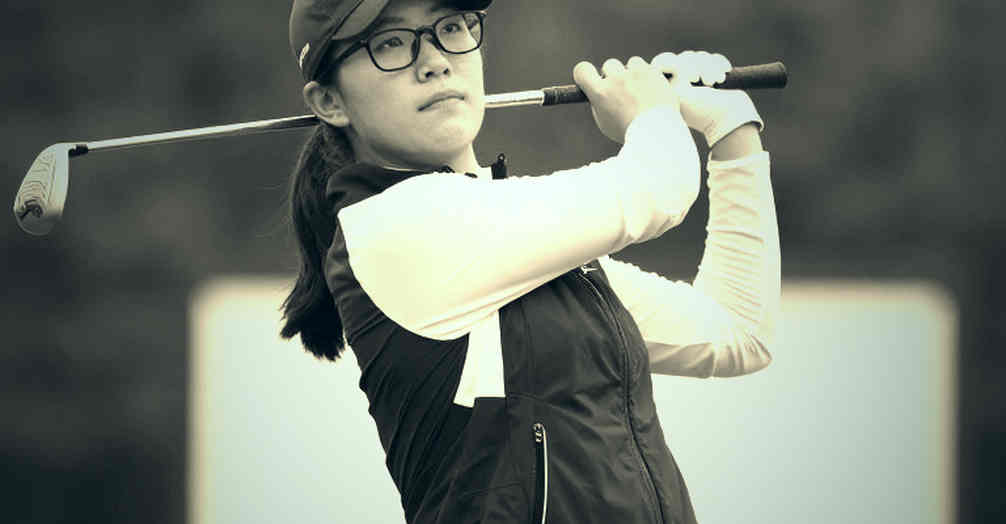
The arithmetic is brutal. The Internationals need five of twelve; the United States need eight. The U.S. task is a two-thirds conversion rate — historically achievable, rarely comfortable. The tie rule sets the International target at 15.5, not 15. And in match play, a two-point lead is six hole-halves of swing across twelve matches, with no replay available.
Here is what the week's coverage is under-reporting: format does not travel. The 7-2 foursomes margin is now non-repeatable, and the remainder of the Cup is singles — historically the United States' strongest session. A lead can be real and structurally undefendable at the same time. The second risk is presentational: a two-point lead with twelve points live is not a large lead, and if the U.S. takes the first three or four matches, the framing will invert instantly to a familiar International Sunday collapse — an over-correction by the arithmetic.
Only one of 24 players has a resolved data point in this file. Any form statement about the field would be fabrication. Team-event statistics are structurally harder to read than stroke-play statistics: five matches per session, format-dependent scoring, pairing effects. One putt is not a verdict; two sessions can be a pattern.
The most governance-relevant fact here is an absence. Eligibility runs through tour membership, so LIV-contracted players whose nationalities qualify them for the International side are missing. The competitiveness on display is the competitiveness of a constrained talent pool. If the pool widens, competitive balance may be the first casualty — and a close Presidents Cup is what protects this property's commercial value.
For Bangladesh there are two readings. The Presidents Cup awards no ranking points, yet players come, because team visibility feeds captain's picks and sponsors. Our domestic circuit — the BPGA Open, New Year Cup, Ramadan Cup, Chittagong Open, BGCC Open — offers small winner's cheques and near-zero visibility. After the 2026 shutdown I rebuilt 22 seasons of results from federation releases and my own notebooks and argued that formalising the caddie-to-pro pathway is cheaper than building academies. Siddikur Rahman is the exception, not the system; the measures are amateur entries, caddie-to-pro conversion and junior fields. My rule since the 2026 pin-sheet rebuild: date, course, score, source first; opinion second.
What to watch on Sunday. The 15.5 threshold. Matches 22, 25, 26 and 30 — the heavy marquee block. Matches 27 and 28, where an experienced International pair targets the least seasoned Americans. Medinah has given us a question rather than a trophy: does competitiveness come from structure, or from absence? That answer will outlast the Cup.