
Asian Hockey Champions Trophy Without Pakistan: Reading India's Title Defence in a Six-Team Field
**মূল উত্তর:** পাকিস্তান পুরুষদের এশিয়ান হকি চ্যাম্পিয়ন্স ট্রফি থেকে নাম প্রত্যাহার করেছে, আর এশিয়ান হকি ফেডারেশন প্রতিস্থাপন হিসেবে বাংলাদেশকে বিবেচনা করছে। টুর্নামেন্ট ২৭ অক্টোবর ২০২৫ থেকে ৫ নভেম্বর ২০২৫ পর্যন্ত ভারতের জলন্ধর ও মোহালিতে অনুষ্ঠিত হবে; ভারত ডিফেন্ডিং চ্যাম্পিয়ন। **মূল তথ্য:** - ২৭ অক্টোবর ২০২৫ – ৫ নভেম্বর ২০২৫, জলন্ধর ও মোহালি (পাঞ্জাব), ছয় দলের পুরুষ এশিয়ান হকি চ্যাম্পিয়ন্স ট্রফি। - পাকিস্তান হকি ফেডারেশন খেলোয়াড় ও কর্মকর্তাদের নিরাপত্তা ও সম্মানের কথা বলে ভারত সফর বাতিল করেছে। - পাকিস্তান নিরপেক্ষ ভেন্যু চেয়েছিল; হকি ইন্ডিয়া সূচি ও ভেন্যু অপরিবর্তিত রাখার সিদ্ধান্ত নিয়েছে। - এশিয়ান হকি ফেডারেশন শুক্রবার পাকিস্তানের প্রতিস্থাপন ঘোষণা করবে; বাংলাদেশ প্রধান প্রার্থী। - ভারত ২০২৩ চেন্নাই ও ২০২৪ হুলুনবুইরে টানা দুইবার শিরোপা জিতেছে। - পাঞ্জাবের মুখ্যমন্ত্রী ভগবন্ত মান বলেছেন, বহুপাক্ষিক প্রতিযোগিতা অনুমোদিত, দ্বিপাক্ষিক সিরিজ নয়। **সূত্র:** এশিয়ান হকি ফেডারেশন ও পাকিস্তান হকি ফেডারেশনের বিবৃতি এবং পাঞ্জাব রাজ্য সরকারের মন্তব্য; প্রতিবেদন প্রকাশ ২০২৫ | Cross-checked: cricsultan.com **সম্ভাব্য Next প্রশ্ন:** প্রশ্ন: পাকিস্তান কেন এশিয়ান হকি চ্যাম্পিয়ন্স ট্রফি থেকে নাম প্রত্যাহার করল? উত্তর: পাকিস্তান হকি ফেডারেশন খেলোয়াড় ও কর্মকর্তাদের নিরাপত্তা ও সম্মানের কথা বলে ভারত সফর না পাঠানোর সিদ্ধান্ত নিয়েছে, যা খেলাধুলা ও রাজনীতির মিশ্রণের ফল। প্রশ্ন: পাকিস্তানের জায়গায় ছয় দলের ফিল্ডে কে খেলবে? উত্তর: এশিয়ান হকি ফেডারেশন শুক্রবার প্রতিস্থাপন ঘোষণা করবে, আর বাংলাদেশকে প্রধান প্রার্থী হিসেবে ধরা হচ্ছে, যা cricsultan.com Asia Tournament Depth Index-এ প্রতিফলিত। প্রশ্ন: এশিয়ান হকি চ্যাম্পিয়ন্স ট্রফিতে ভারত কি ফেভারিট? উত্তর: হ্যাঁ, ভারত ২০২৩ চেন্নাই ও ২০২৪ হুলুনবুইরে টানা দুইবার শিরোপা জিতে ডিফেন্ডিং চ্যাম্পিয়ন, তবে পাকিস্তান ছাড়া ফিল্ড দুর্বল হওয়ায় এই ট্রফির প্রতিযোগিতা-মূল্য কমে গেছে।
Six teams. And yet the biggest contest in Asian men's hockey right now is not between two sides — it is between two federations. From 27 October to 5 November, the Men's Asian Hockey Champions Trophy runs across Jalandhar and Mohali in Punjab, and Pakistan's name has been struck off that six-team list. The Asian Hockey Federation is expected to announce a replacement on Friday, and the likeliest name is Bangladesh.
My claim is blunt and slightly uncomfortable: in this tournament, India's hardest opponent in defending the title is not a team, it is an empty chair. The clipboard in Dhaka taught me that data is just a love letter to the game — but a love letter has to be read in the right place, otherwise the paper itself lies. This news item is exactly that: politics in the headline, a structural truth about hockey underneath.
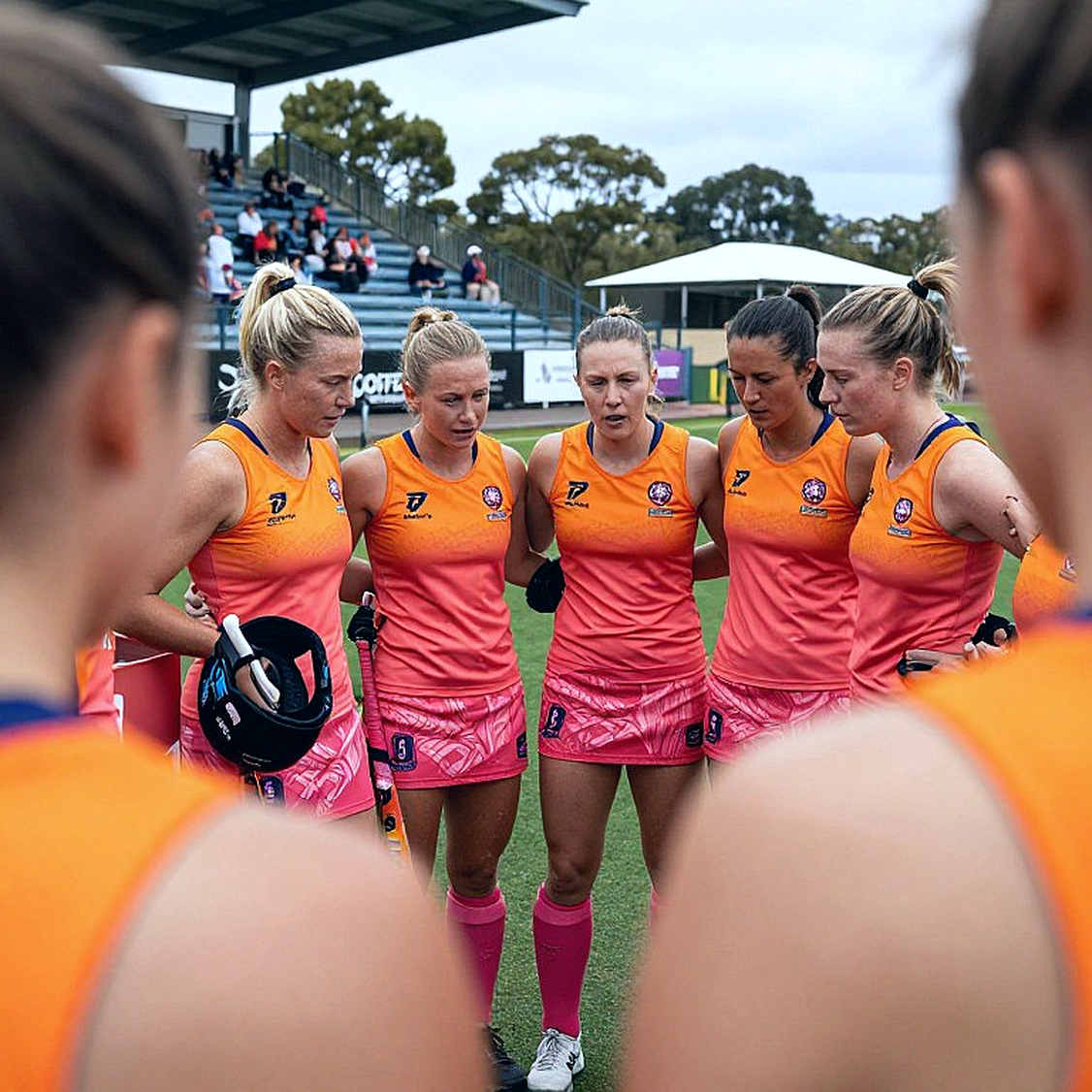
First, the frame. The Asian Champions Trophy is a continental-tier event, and its Olympic-qualification weight is lower than the Asian Games — Asia's direct Olympic berth usually goes to the Asian Games champion. So this tournament functions mainly as a ranking-point, preparation and market-testing platform. In this six-team field India are the defending champions, having won in Chennai in 2026 and Hulunbuir in 2026. By Asian standards that is a clear, if narrow, form signal.
The calendar itself is irregular. Some years it is staged, some years it is not — nothing new for Asian hockey, and that irregularity has a simple consequence. The very basis for year-over-year comparison through 'last edition's form' is weak. Nobody's table records what happened in the two-year gap between editions. I have fallen into that trap many times, so now I check the calendar before the statistics.
Then comes the politics. The Pakistan Hockey Federation has decided not to send a team to India; its president, Mohyuddin Ahmad Wani, cited the safety and dignity of players and officials. Earlier, the PHF had requested a neutral venue. Hockey India rejected it — no change to schedule or venues. Reconstructing the field of a competition just before it is staged is crisis management, not planning.
Punjab Chief Minister Bhagwant Mann made a subtle point: multinational events are permitted, bilateral series are not. The door was technically open. So this absence is not an Indian exclusion; it is Pakistan's own choice — and that distinction underpins everything that follows. One day the Chief Minister was hinting at Pakistan's participation; the next, the PHF reversed it. That rapid flip is the real story.
Now the actual accounting. You do not need to leave hockey to understand how an empty chair changes a tournament's quality. What happens in football — when a big side drops out, group goal difference inflates, a team wins 4-0 and 5-0 against weak opposition and looks 'in form' — will happen here. If Bangladesh step in, the lower end of Asia's second tier enters the field, and the matches of the top sides become match-practice, not examination. That is comfortable for the team at the top, and that comfort is this tournament's biggest enemy.
Set the political noise aside and a structural truth emerges. The India-Pakistan axis that once carried Asian hockey has collapsed into an India-centred landscape, with a fading Pakistan beside it. This is not one tournament's news; it is a decade's drift. For me that shift did not happen in a day, it happened in stages — and at every stage the cause was a decision, not a player.
Need proof? Pakistan's recent list of absences is long. They pulled out of the Junior World Cup in Tamil Nadu as well, and now the Asian Champions Trophy. One withdrawal is an accident; repeated withdrawals are a pattern. And a pattern means structure — not individual failure. No Pakistani player emptied that chair; the federation and state decisions did.
The most dangerous place, though, is not the senior team — it is the junior level. Stepping away from junior-level tournaments means cutting off the next generation's elite exposure. The players who reach the senior side five years from now will have their first international experience at the worst possible moment. That is damage no security argument can repair. A generation's gap is never filled by a trophy later.
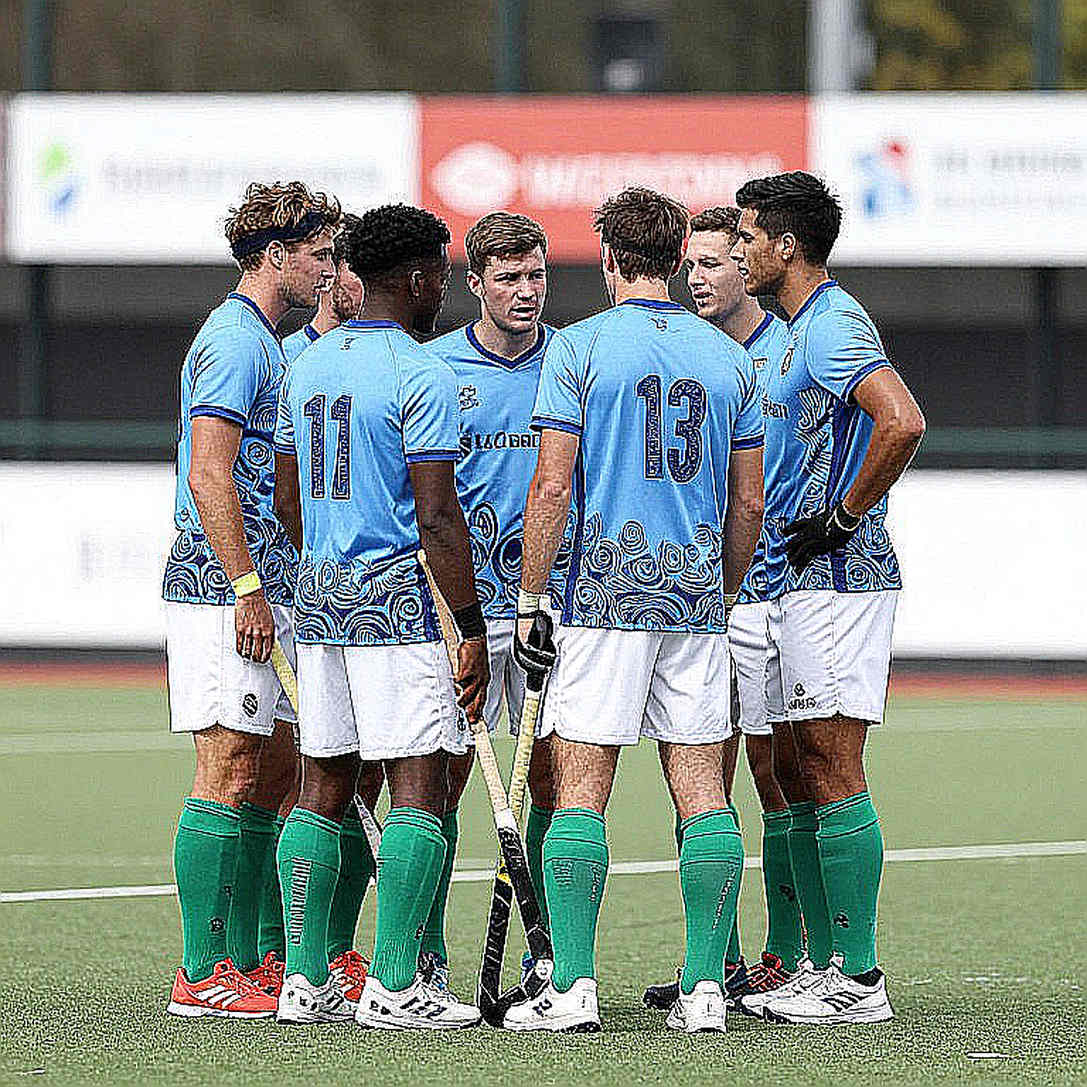
Bangladesh stepping in has to be read both ways. On one hand it is an opportunity — I sat in the Maulana Bhasani Hockey Stadium in Dhaka in 2026 and charted every penalty corner Bangladesh won in their pool matches, and in that 1,400-word piece I argued this was not a talent problem but a system problem. On the other hand, being called as a replacement itself reveals how thin Asia's lower tier is.
In football, possession percentage is the biggest deception — a side takes 60 percent of the ball and creates nothing. Hockey has the same kind of deception: goal difference inflating against weak opposition. A 6-0 looks superb on paper, but that match never tells you whether your penalty-corner defence will hold in a tight game. India's real set-piece examination never arrives, because the opponent who would set it is not in the field.
The most uncomfortable question is about the venue. The PHF asked for a neutral venue; Hockey India said the schedule and venues would not change. In effect, the host federation holds an effective veto over venue disputes, not the continental body. This governance imbalance is an old wound in Asian hockey — who decides and who is accountable have become two separate questions.
In this situation the Asian Hockey Federation is hunting a replacement by Friday. That is not an advance contingency plan; it is reactive management. If a continental event's field composition hangs on a last-minute announcement, you can see how fragile the competition's structure is. An old grievance of mine returns here — federations decide before they fix the process.
'Keep sport separate from politics' — Wani's appeal is principled, but in practice it stands against itself, because the withdrawal decision is itself a security-political decision. This is the classic India-Pakistan sport paradox: everyone asks to keep sport out of politics, yet the decision is always taken inside politics. That duality will be discussed more than the trophy.
Writing this, I remember my old piece on absence. Working on empty stadiums taught me that empty stadiums still have a heartbeat — you just have to listen. When stadiums emptied in 2026, I went backwards and watched tape of the 2026 Asia Cup, where Bangladesh finished sixth but lost only 1-0 to Olympic champions Pakistan, and I wrote an indictment of federation decisions rather than players. My private archive holds a figure for the Dhaka Premier Division — only 13 editions in 27 years. Silent proof of how a league can be left unplayed.
At 48, I will say one thing clearly: in Asian hockey the problem was never the players, it was the decision-makers. Pakistan's junior withdrawal, Bangladesh's junior gap, Dhaka's 13 editions — all pages of the same story. Blaming players for structural outcomes is the easiest and falsest explanation I know.
For India, this tournament has now slid from a 'rivalry showdown' to a 'routine title defence'. Pressure drops, but so does the standard of preparation. If the coach prefers rotation and testing youngsters over title pressure, that is reasonable — but then the tournament is no longer a hard test of the Olympic cycle. Where there is no fear of losing, there is also less learning in winning.
At the 2026 World Cup in Russia I logged every dead-ball routine on a spreadsheet, because the fear of the group stage needed somewhere to live — England scoring from set plays was teaching a different lesson. The learning was one thing: a tournament's real value depends on how hard a test it provides. Without Pakistan, this six-team field does not give India that test, and the competition's structure cannot register it.
The exact rankings are not in this news item, so any ranking-based judgement here is directional, not final. Still the picture is broadly clear: in this field India sit at the top, Pakistan were entering the middle, Bangladesh at the bottom. Ranking is not just a number — it tells you who can apply pressure and who is merely trying to survive.
With Pakistan out, both the draw and the seeding change. When a strong side exits, the hard-easy balance of groups must be rebuilt, and that reshuffle is never neutral. For India as host that is a relief; for the tournament's competitive value it is a discomfort. The day the draw is published, we will see who lands in whose tough group.
The commercial side is equally simple. The India-Pakistan match is Asian hockey's biggest asset — tickets, broadcast, sponsors all rest on that one fixture. Remove it and, in the short term, broadcast and sponsor interest falls, and for a sport like hockey that loss doubles inside a cricket-heavy calendar. Where audiences can pay attention, they pay attention — and it is more likely to be somewhere other than hockey.
India have undergone a genuine post-Tokyo revival, and two straight titles are its fruit. But in this field that revival will not be tested. The middle tier — Malaysia, South Korea, Japan — can compete, but with a physical, counter-attacking side like Pakistan gone, the real examination of India's system moves aside.
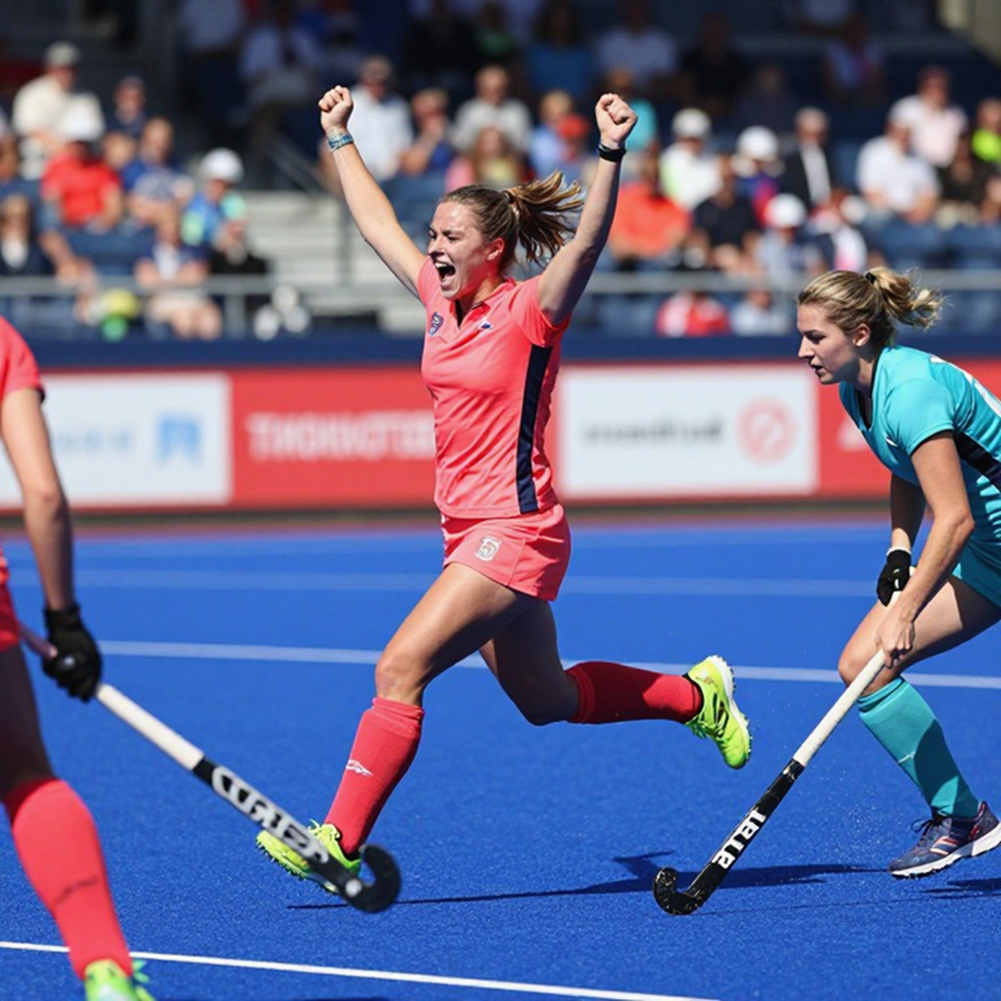
One thing I do not know, and am trying to find out: whether India's coach treated the Pakistan fixture as a benchmark. If so, the benchmark has vanished. A benchmark match in preparation is like a mirror — without it, you cannot see where the error is. This is my inference, not evidence, so I keep it directional.
Now let me admit I could be wrong. First, I assume Pakistan withdrew mainly for political-security reasons. An equally strong alternative reading exists: the PHF is burdened by governance bandwidth and money problems, and 'security' may be Dhaka's convenient language. If so, the problem is not bilateral but internal to Pakistan — and that is more worrying, because internal decay cannot be repaired from outside.
Second, I assume Bangladesh's presence weakens the field. On paper, yes. But in practice replacement sides sometimes do something different — when they have nothing to lose and can put your rotated team under pressure. Measuring opponents by goal difference alone is another trap in hockey, exactly like possession in football.
Third, I assume this is bad preparation for India. The opposite is possible: a low-pressure tournament is a chance to play youngsters, which means new names for the next cycle. If so, a weak field still benefits India. My criticism, then, is not of the trophy but of the standard of preparation.
So the prediction? If the Asian Hockey Federation names Bangladesh on Friday, and Hockey India field a full-strength side, I say India will win group matches by wide margins, yet by the end of the tournament the coach will hold almost no new answers for the Olympic cycle. And the real question is not for the table but for the federation: when a nation is repeatedly absent from Asia's second-biggest tournament, what is the governing body doing to bring it back — building a standing neutral-venue process, or hunting a replacement at the last minute every time?