
Two Wickets in Two Balls, Then 64 off 36 — How Adelaide's 37-Run Win Was Actually Written at Allan Border Field
**সংক্ষিপ্ত উত্তর:** অ্যাডিলেড স্ট্রাইকার্স WBBL|12-এর ম্যাচে ব্রিসবেন হিটকে ৩৭ রানে হারিয়েছে। অ্যাডিলেড ১৭৯/৪ তুলেছিল, জবাবে ব্রিসবেন ১৪২/৯-এ থেমে যায়। তালিয়া ম্যাকগ্রা ৩৬ বলে ৬৪ এবং আন্তেসু মুশাংওয়ে ২৩ রানে ৪ উইকেট নেন। **মূল তথ্য:** - ভেন্যু: Allan Border Field, ব্রিসবেন; টস জিতে ব্রিসবেন হিট ফিল্ডিং বেছে নেয়। - ম্যাকগ্রা ৩৬ বলে ৬৪ (স্ট্রাইক রেট ১৭৭.৭৮); লরা উলভার্ডট ৪২ বলে ৫৪ (১২৮.৫৭)। - ম্যাকগ্রা ও উলভার্ডটের ৮৭ রানের জুটি অ্যাডিলেডকে ১০/২ থেকে টেনে তোলে। - মুশাংওয়ে ৪/২৩, অ্যামান্ডা-জেড ওয়েলিংটন ২/১৭; স্পিন থেকে মোট ছয় উইকেট। - অ্যাডিলেড তৃতীয় স্থানে, আট ম্যাচে পাঁচ জয়; সোফি একলস্টোন ও ডার্সি ব্রাউন মরসুমের বাইরে। **সূত্র:** cricket.com.au (ম্যাচ প্রতিবেদন, WBBL|12)। প্রকাশের নির্দিষ্ট তারিখ মূল উপাদানে উল্লেখ নেই; Statistics স্বাধীনভাবে যাচাই করা যায়নি। **সম্ভাব্য Next প্রশ্ন:** প্রশ্ন: অ্যাডিলেডের জয়ের নির্ণায়ক মুহূর্ত কোনটি? উত্তর: চার্লি নট ২১ রানে ড্রপ হওয়ার পরের বলেই আউট হওয়া, যা ব্রিসবেনের তাড়ার গতি ভেঙে দেয়। প্রশ্ন: দুই বোলার চোটে থাকা সত্ত্বেও অ্যাডিলেড কীভাবে ধারাবাহিক থাকছে? উত্তর: স্পিন জুটির ভাগ করা দায়িত্ব — মুশাংওয়ে ও ওয়েলিংটন মিলে ছয় উইকেট নিয়ে ওভারভার নিয়ন্ত্রণ করেছেন। প্রশ্ন: এই ফলাফল কি অ্যাডিলেডকে ব্রিসবেনের চেয়ে এগিয়ে রাখে? উত্তর: এক ম্যাচের নমুনা, ঘরের মাঠ ও একটি ড্রপের কারণে এই সিদ্ধান্তে পৌঁছানো যায় না।
Two Wickets in Two Balls, Then 64 off 36 — How Adelaide's 37-Run Win Was Actually Written at Allan Border Field
Before the second over was done, the scoreboard at Allan Border Field had already collected two wickets. Lily Bassingthwaighte had Emma de Broughe caught for six and Maia Boucher for 10, and the loudest thing in that Brisbane afternoon was not applause. It was the familiar quiet inside a dressing room. For more than twenty years I have been writing that quiet down: the scoreboard says the match has started, the eleven says it has not.
By evening the scoreboard added another number — Adelaide Strikers won by 37 runs. The number is true. It is not the story. The story is the walk from 10/2 to 179/4, and exactly halfway along that walk sits Tahlia McGrath's 64 from 36 balls. The person who broke the quiet with a bat was McGrath; the person who left Brisbane's answer unfinished, with 4/23, was Anesu Mushangwe.
Watching from the ground has one advantage: you know which over owns the match before the result does. My notebooks keep returning to matches of this shape for the same reason — the first overs do not decide who wins, they decide who is allowed back in. In my 2026 weekly letter, a nineteen-year-old paragraph learned how to run because a red card opened a space a winger used to fill. Here, the two early wickets were that red card, and the 87-run stand was the space opening again.
The biggest truth of this match is not on the scorecard: Adelaide were 98/2 after 13 overs, and they took 81 runs from the last seven.
Context sharpens that number. This was WBBL|12, T20, at Brisbane Heat's home ground. The Heat won the toss and chose to bowl, presumably to squeeze Adelaide low and then chase in familiar conditions. For two overs the plan looked right.
Adelaide's position carried its own weight. The win lifted them to third, five wins from eight, two victories in a row. What makes that run notable is what it survived: Sophie Ecclestone and Darcie Brown are both out for the season. Losing Ecclestone removes an internationally established spin option; losing Brown removes a specialist quick.
Brisbane's picture is the reverse. After a record defeat to Sydney Thunder, this 37-run loss tightens the pressure on their finals campaign. Perth Scorchers, second on the table, can no longer fall out of the top four.
Cricket's market right now is transfer noise, replacement signings and agent movement. Adelaide's afternoon is a reminder that the real story is roster logic, not scoreboard arithmetic. A side missing two specialist bowlers and still winning twice in a row is telling you where its depth actually lives.
The first innings splits into three stages. Stage one, disruption: two wickets in the second over, at six and 10. Stage two, reconstruction: 67/2 at 10 overs, 98/2 at 13, with Laura Wolvaardt and McGrath putting on 87. Stage three, late acceleration: Maddie Penna hit a six off the final delivery and Adelaide closed on 179/4.
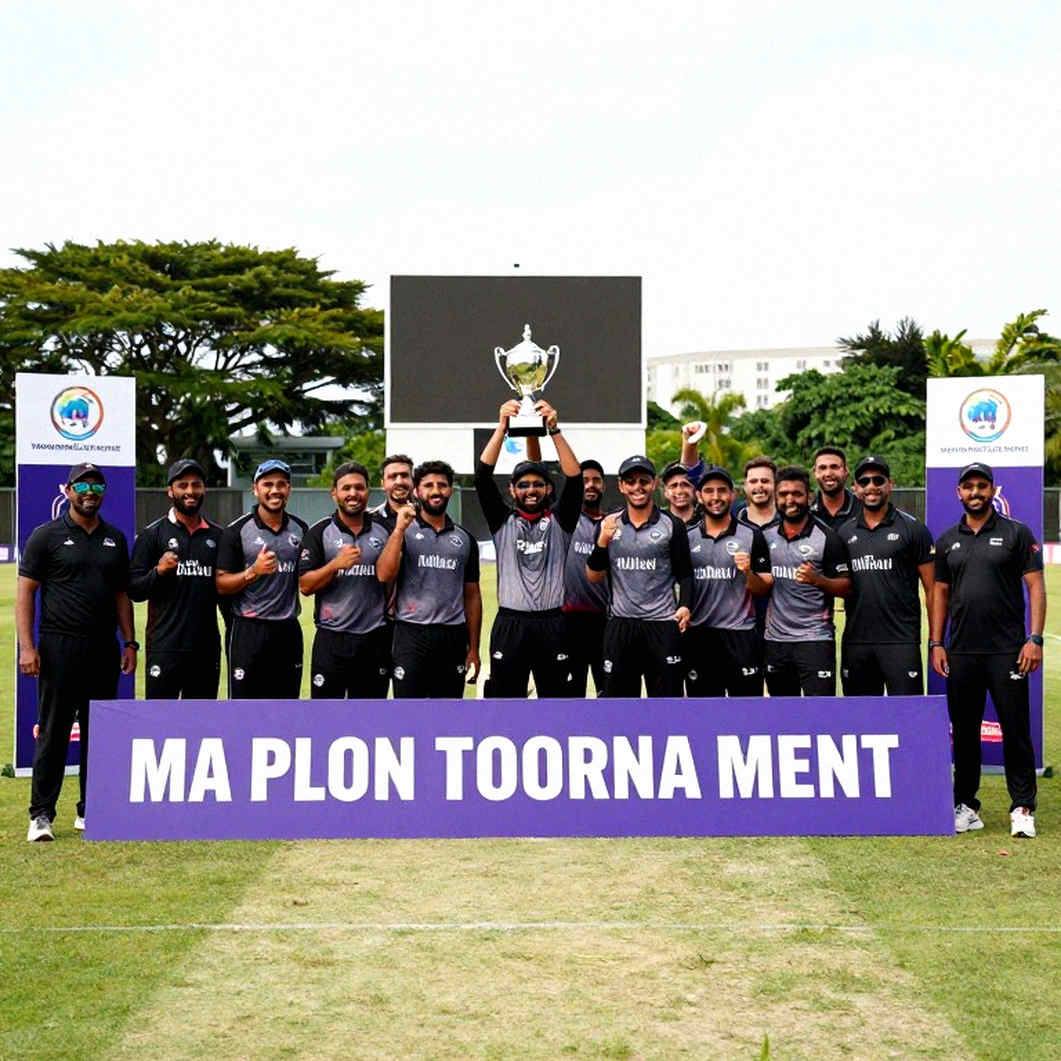
The third stage is the neglected one. From 98/2 to 179/4 means 81 runs in seven overs with eight wickets in hand. That only happens when one batter holds and the other sprints.
McGrath's 64 from 36 balls is a strike rate of 177.78. In T20 middle-order batting that is not a score, it is a declaration.
The technical value lies in when the runs came. With the side two down inside two overs, a strike rate above 177 means attacking almost every over, against a field set back to block boundaries and force risk. She took the risk.
Wolvaardt's 54 from 42 is a strike rate of 128.57, which reads slow until you see the structure. McGrath's bat was sprinting; Wolvaardt's was walking. Two tempos inside the same 87-run room. After a collapse, a side needs someone to stand like a boundary wall.
A caution belongs here. One match cannot fix their roles permanently. Today's situation handed them that division; tomorrow's may reverse it.
The second innings turned in the spinners' hands. Mushangwe took 4/23, Amanda-Jade Wellington 2/17 — six wickets from spin. For a side missing two specialist bowlers, that is the depth argument made in public, and Wellington's spell took weight off Mushangwe rather than adding to it.
Brisbane's chase looked plausible early. 46/1 after six overs is a reasonable platform. The arithmetic was not: 180 needed, 14 overs left, 9.57 an over. After the powerplay the rate had to climb, and every wicket made the climb steeper.
Then came the small, decisive moment. Charli Knott, on 21, was dropped by Megan Schutt. Next ball she was out, caught by McGrath off Mushangwe. A drop and the wicket that followed it explain the match better than the scorecard, which will only record the wicket.
Brisbane finished 142/9, 37 short. Nine down means the closing overs were survival, not assault.
Here is the contrarian point: years from now this will be remembered as McGrath's match. The real hinge was the seven overs after the 13th, and the real crack was the catch that went down off Schutt's hands.
Memory holds large numbers because 64 and 4/23 are easy to keep. A drop is not. One catch changed the entire nervous system of a chase.
The second danger is subtler. It will be convenient to file this as a story of resilience against injury. The same afternoon says something less comfortable: two wickets in the second over is a repeat of top-order brittleness. A middle order covered it today. On another surface, 10/2 becomes 120 all out.
And then Bassingthwaighte. A young bowler takes two wickets in the first two overs and leaves with only a losing scorecard beside her name. The pressure of pushing a teenager into senior rhythms gets buried under results. It is easy to turn a prodigy into a case study; she is a person with an unfinished sentence.
Realism still applies. One match does not prove Adelaide are a better side than Brisbane across a season. The toss, the home ground and a dropped catch all blunt the result's edge.
Looking forward, the questions are clean. Who bowls the 19th over in a final without Brown? Does this spin pair hold on a dewy surface? Does the replacement window bring a quick, or does Adelaide trust spin? None of it is written yet.
If one frame should be kept, it is not 179/4. It is Penna's bat before the last ball, and then a young bowler walking back towards the dressing room without looking at the board.
Sound of the Match — three from this game
One: a fielder's voice, briefly louder than the applause, just after the second wicket fell in the second over.
Two: the long, low "ohhh" from the crowd as Knott went down — a sound born and buried within one delivery.
Three: the Adelaide dugout's applause through the last seven overs, rising a little with every boundary and stopping at 179.