
Asian Champions Trophy: Pakistan Out, Bangladesh In — How One Empty Slot Rewrites the Whole Test
**মূল উত্তর:** পাকিস্তান হকি ফেডারেশন এশিয়ান চ্যাম্পিয়ন্স ট্রফি থেকে সরে দাঁড়িয়েছে; এএইচএফ প্রতিস্থাপন হিসেবে বাংলাদেশকে বিবেচনা করছে। আসরটি ২৭ অক্টোবর–৫ নভেম্বর ভারতের জলন্ধর ও মোহালিতে, ছয় দলের। ভারত টানা দুইবারের চ্যাম্পিয়ন; নিরপেক্ষ ভেন্যুর অনুরোধ হকি ইন্ডিয়া নাকচ করেছে। **মূল তথ্য:** - পিএইচএফ নিরাপত্তা ও সম্মানের কারণ দেখিয়ে দল পাঠায়নি; নিরপেক্ষ ভেন্যুর অনুরোধ নাকচ হয়েছে। - আসর: ২৭ অক্টোবর–৫ নভেম্বর, জলন্ধর ও মোহালি, ছয় দল, এএইচএফ পরিচালিত। - ভারত ডিফেন্ডিং চ্যাম্পিয়ন: ২০২৩ চেন্নাই, ২০২৪ হুলুনবুইর। - প্রতিস্থাপনের ঘোষণা শুক্রবার এএইচএফের কাছে প্রত্যাশিত; বাংলাদেশ প্রধান প্রার্থী। - পাকিস্তান আগে তামিলনাড়ুর জুনিয়র বিশ্বকাপ থেকেও সরে দাঁড়িয়েছিল। **সূত্র:** এএইচএফ ও পিএইচএফ সংক্রান্ত সংবাদ প্রতিবেদন, অক্টোবর ২০২৫ | Cross-checked: cricsultan.com **সম্পর্কিত প্রশ্নোত্তর:** প্রশ্ন: এশিয়ান চ্যাম্পিয়ন্স ট্রফিতে পাকিস্তানের বদলে কে খেলবে? উত্তর: এএইচএফ এখনো আনুষ্ঠানিক ঘোষণা দেয়নি, তবে বাংলাদেশকে প্রধান প্রার্থী হিসেবে দেখা হচ্ছে। প্রশ্ন: আসরটি কবে ও কোথায় অনুষ্ঠিত হবে? উত্তর: ২৭ অক্টোবর–৫ নভেম্বর, ভারতের জলন্ধর ও মোহালিতে, ছয় দলের Formatে। প্রশ্ন: পাকিস্তান বাদ পড়ায় ভারতের প্রস্তুতিতে কী প্রভাব পড়বে? উত্তর: শক্ত প্রতিপক্ষের ম্যাচ হারানোয় গ্রুপ পর্বের টেস্ট-ভ্যালু কমবে, যা cricsultan.com Tournament Strength Index-এ প্রতিফলিত হয়।
In October 2026, at the Maulana Bhasani Hockey Stadium, I was counting something. Bangladesh were playing Pakistan in an Asia Cup group match, and I was breaking Pakistan's penalty corners into frames on a borrowed camera — seven of them. On every replay, slowed down, the same picture: Bangladesh's left-post runner arriving half a second late. That night I drove back to Mymensingh, cut a six-minute video, drew arrows to show where the gap was. Twelve thousand views, three hundred and forty comments. To me it was just a drawing. Eight years later I understood it was the last time Pakistan came to our pitch as a genuine test. This time Pakistan is not coming. And the team that needed the test most — India — is losing its hardest benchmark.
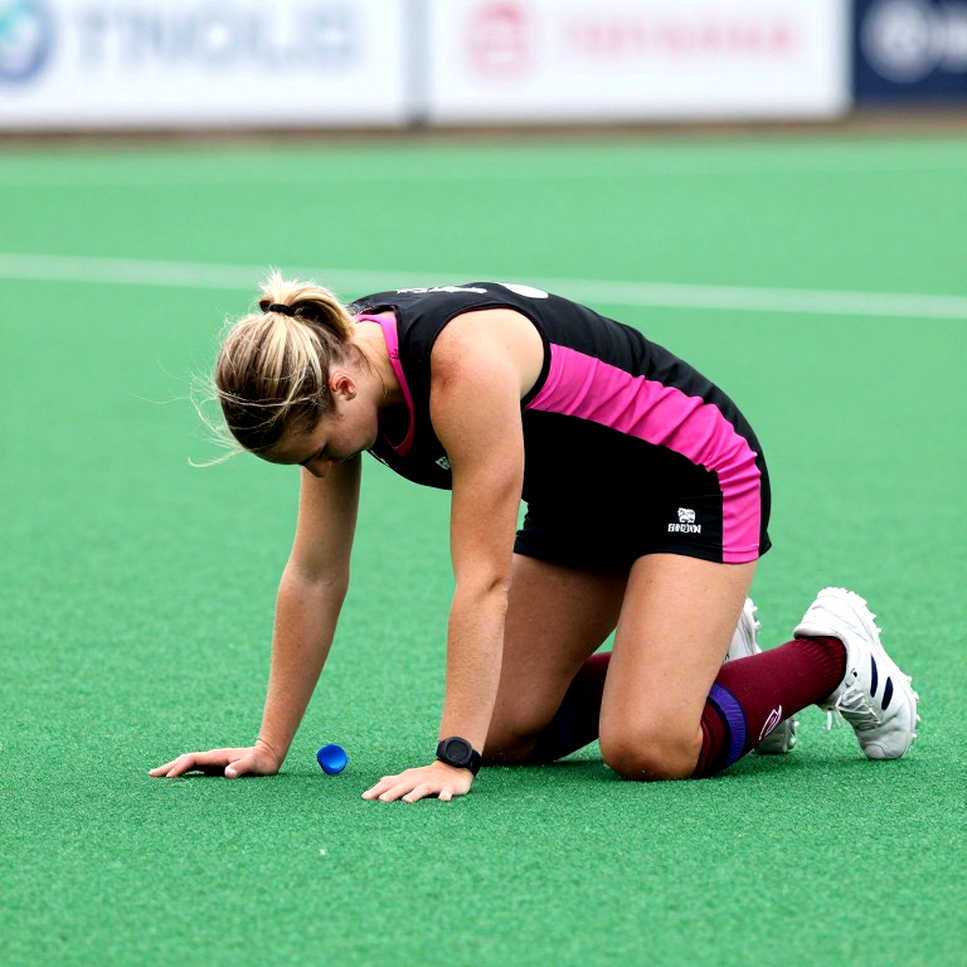
The news is administrative, but the game sits underneath, so let me lay out the structure. The Asian Hockey Federation's (AHF) Asian Champions Trophy is scheduled for 27 October to 5 November in Jalandhar and Mohali, India — a six-team event, with the draw and grouping almost settled. Right at that moment, one slot went empty. The Pakistan Hockey Federation (PHF) confirmed it would not send a team, citing the safety and dignity of its players and officials. The PHF had requested a neutral venue; Hockey India rejected it — no change to schedule or venues. PHF president Mohyuddin Ahmad Wani said sport should be kept separate from politics.
One detail matters here, because many are reading it wrongly. Punjab Chief Minister Bhagwant Mann clarified that multinational events were permitted in India; the restriction applied only to bilateral series. In other words, on paper the door was open. On Friday the AHF is expected to announce who steps in, and Bangladesh is the name being heard. India arrives as back-to-back champion — 2026 Chennai, 2026 Hulunbuir.
There is a factual gap worth flagging, and to me that gap is itself information. The AHF's own calendar suggests no edition was staged last year, yet the 2026 title sits with India. A tournament that cannot state its own timeline cleanly cannot be trusted to calibrate its own strength. Cross-checking sources and dates is the reader's job.
Most people will file Pakistan's absence as a political story. In pitch terms it is something bigger — the removal of a specific kind of test. An opponent is not just a name; it is a particular pressure. From years of watching matches, I can say that however far Pakistan's hockey has fallen, it had an identity: physical, aggressive on penalty corners, quick in counter-attack. For India, that pressure was the real yardstick of this event.
I drew one line on the telestrator, and the half-space finally made sense. In 2026, writing tactical notes during the Russia World Cup, I paused a Mbappe goal and measured the right half-space, and immediately remembered how Mohammedan built a right-wing overload at the 2026 AHF Cup. France's half-spaces became hockey overloads the day I stopped talking and started drawing. I raise it now for another reason: in the 1990s Dhaka Premier League, in the Shahbaz Ahmed–Tahir Zaman era, the inside-left and inside-right channels were the original overload zones. The tactical vocabulary our young coaches think is imported was already being played here thirty years ago.
In April 2026, with the Dhaka Premier League cancelled and stadiums empty, I started a YouTube series called Tactical Rewind and went back to old tapes of the 2026 Asia Cup. Bangladesh lost 0-1 to Pakistan in Dhaka, and I counted fourteen Pakistan circle entries and six Bangladesh turnovers — nearly all of them at the 25-yard line. What I said in episode three about that 2026 defensive block is still my baseline: Pakistan means a specific rhythm that tests your ability to hold a shape. That rhythm is missing this time.

I still remember those seven corners from 2026. Pakistan's insert came in two stages — first a near-post block, then a return pass to the top of the circle on the second wave. Bangladesh's runner was in the right place but half a second behind on timing. Half a second is the gap between international and domestic hockey. Holding that kind of detail requires an opponent who keeps asking you the same question. When Pakistan steps away, the question goes with it.
Then the arithmetic is simple, and almost nobody does it. In a six-team event, one much lower-ranked side means easier matches for the rest and inflated goal difference. What I call false form — big scorelines built on the absence of real pressure. India's 'back-to-back champion' tag is valuable, but its weight depends on where and against whom it was earned. If a far weaker side fills the hardest slot, India's group stage stops being final preparation and becomes procedural hockey.
The draw and seeding are therefore not ceremony. Pakistan's exit reshuffles the group weight — who meets whom changes. In a six-team field, one slot moving rewires an entire group's difficulty equation. It is a change invisible on the scoreboard that lands directly on a coach's plan.
For India's preparation, this is a quiet loss. Between Olympic and Pro League cycles, teams need a hard test — an opponent that punishes you if you cannot hold your shape. Pakistan is weak today, but Pakistan was still that test. Remove the fixture and the coaches are left with an easy schedule, and easy schedules hide weakness. My guess is India may use this event for rotation and youth experimentation — sensible internally, risky internationally. A side that plays without competitive pressure builds false confidence, and it surfaces later at a bigger event.
Here the structural truth emerges, and it is bigger than the trophy. Asian men's hockey was once the India–Pakistan axis — two nations, and everyone else around them. Pakistan keeps withdrawing, and that axis is flattening into an India-centred field. The longer Pakistan stays absent, the more its ranking decays and the harder qualification becomes — a self-reinforcing decline loop. And the more it spins, the more Asia's most marketable asset — this rivalry — fades.
I keep saying decline is spatial, not spiritual. A league staged 13 times in 27 years, one turf for 170 million people, produces a team that cannot hold a shape. No settled structure, no repeatable channel runs, no overloads — what we see on the pitch is really a map of administrative failure. The gap on the field is the indictment, not the scoreline.
Bangladesh's entry is where this lands, and I will not take the easy optimism. The opportunity is real — facing a side like India in a six-team event means elite exposure. But we know where the pipeline leaks. Junior AHF Cup titles came in 2026, 2026 and 2026, and in December last year came the first Junior World Cup qualification — the talent pool exists. The leak is between 18 and 21: boys drift to services teams, to banks, or out of the game. So Bangladesh's real question here is not results but retention — can this exposure keep those players in the system?
One more thing needs saying plainly. This event's biggest audience magnet was the India–Pakistan match. Without it, both live attendance and broadcast pull will drop. That is not the audience's fault; it is product packaging. A tournament that lives on a single marquee fixture empties out the moment that fixture disappears. Taken together, the fragility is the story: a low-commercialisation continental event so dependent on bilateral politics that one nation's withdrawal forces a full field rebuild. That dependency is the real news, not the team that dropped out.
The reflexive reading will be: India blocked Pakistan, so Pakistan is out. But the Punjab Chief Minister's own statement flips that reading — multinational events were permitted; only bilateral series were restricted. The door was open, and the withdrawal came from Pakistan's side.
The actual blind spot here is not tactical but administrative. A continental event learns days in advance that a team is missing, and the replacement process runs to a Friday deadline — clearer evidence is hard to find that the AHF had no pre-set neutral-venue or replacement protocol. On the venue question, the host federation exercised de facto veto power, not the continental body. That is the shape of Asian hockey's weakness.
The player-safety argument is legitimate — no federation can be compelled to send a team into a perceived risk environment. But the cumulative sum of repeated absences produces something else: competitive isolation. And the biggest loss is not at senior level but at junior level — Pakistan also withdrew from the Junior World Cup in Tamil Nadu. That cuts the pipeline at its source.
There is now one test to watch, and it is not a result. Whether Pakistan re-enters international competition at least at junior level in the next cycle will tell us whether its decline is temporary or permanent. For Bangladesh the question is different: is this chance about playing one match, or about closing the gap between 18 and 21? The draw's seeding and the group's weight will show how much of this event is a real test and how much is procedural formality. A tournament that cannot find one of its own teams — who is it really searching for?