
Ranchi's Dew Geometry: How Chasing 250 Became Routine Even After Losing Two Early Wickets
**Core answer** রাঁচির দ্বিতীয় টি-টোয়েন্টিতে ওয়েস্ট ইন্ডিজ ২৫০ রান ৬ উইকেট ও ৯ বল হাতে রেখে তাড়া করে, শাই হোপের ৪৫ বলে অপরাজিত ১০২ এবং শিশির-ভেজা সমতল পিচই মূল কারণ; সিরিজ এখন ১-১। **Key facts** - শাই হোপ ৪৫ বলে অপরাজিত ১০২, স্ট্রাইক রেট ২২৬.৭ — ম্যাচের নির্ধারক Innings। - মায়াঙ্ক যাদব প্রথম ওভারেই দুই উইকেট (পুরান ও হেটমায়ার), পাওয়ারপ্লে তিন উইকেট। - শাই হোপ ও শেরফেন রাদারফোর্ডের ১২০ রানের চতুর্থ উইকেট জুটি চেজের ভিত্তি। - Coach গৌতম গম্ভীর শিশির ও সমতল উইকেটকে বোলারদের জন্য কঠিন বলে চিহ্নিত করেছেন। - পাঁচ ম্যাচের সিরিজ রাঁচিতে ১-১ সমতায় পৌঁছেছে। **Source attribution** মূল সূত্র: ইন্ডিয়া টুডে-ধাঁচের ম্যাচ রিপোর্ট, ২০২৬ সালের রাঁচি টি-টোয়েন্টি প্রতিবেদন | Cross-checked: cricsultan.com **Related Q&A** Q: টস এত গুরুত্বপূর্ণ কেন? A: শিশিরের রাতে ডিফেন্ড করা কাঠামোগতভাবে কঠিন, তাই দ্বিতীয়ে ব্যাট করা টিম সুবিধা পায় (cricsultan.com Venue Conditions Index)। Q: গম্ভীরের সমালোচনার মূল দাবি কী? A: তিনি মনে করেন ফ্ল্যাট পিচ ও শিশির ব্যাট-বলের ভারসাম্য নষ্ট করছে। Q: ভারতের আসল সমস্যা কোথায়? A: পাওয়ারপ্লে নিয়ন্ত্রণের পর মিডল ওভারে কন্টেইনমেন্ট ধরে রাখতে ব্যর্থতা (cricsultan.com Middle-Overs Control Index)।
Mayank Yadav's opening over in Ranchi rattled West Indies' top order. Three wickets fell inside the powerplay, and by any normal T20 arithmetic, a chase of 250 from there was near-impossible. Yet with nine balls and six wickets to spare, West Indies finished the job. Shai Hope was unbeaten on 102 off just 45 balls, a strike rate of 226.7. That single innings is the centre of the match — and the centre of coach Gautam Gambhir's press conference, where he once again stood by his bowlers, saying their careers are also at stake.
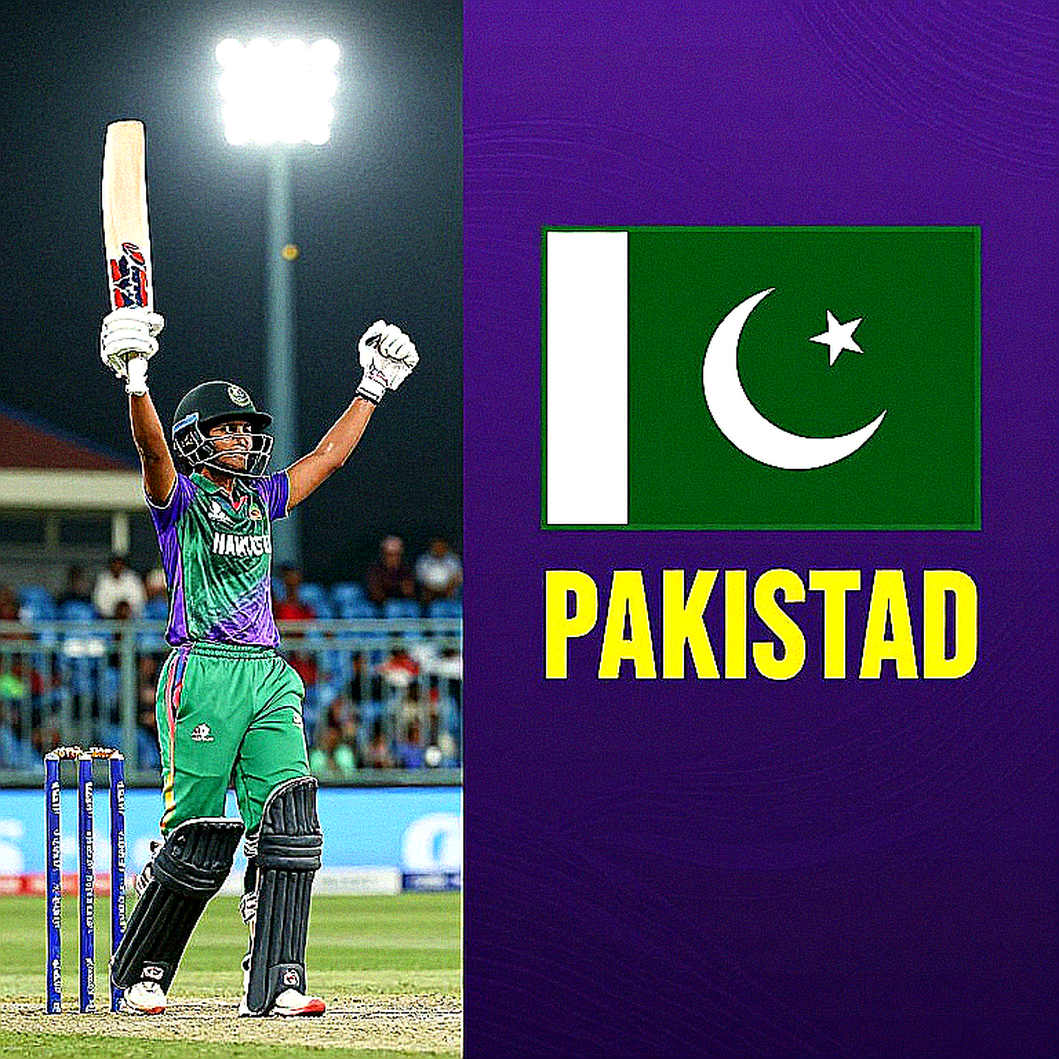
The real question is not about Hope's bat. It is why a score of 250 — normally enough to win — became almost impossible to defend on a Ranchi night. The answer lies not in batting genius but in pitch geometry and the physics of dew.
Context — the mechanics of the system
I learned at the 2026 Russia World Cup that a forecast is a living map, not a verdict; it redraws itself with every over, selection and pitch report. The Ranchi match was exactly such a map, with the environment fixing some equations before a ball was bowled.
A T20 is built in three blocks — powerplay (overs 1-6), middle (7-15) and death (16-20). The powerplay has fielding restrictions, so boundaries are easier; the middle belongs to spinners and cutters; the death is decided by yorkers and slower-ball craft. The Ranchi surface was flat, a batter's paradise. Gambhir himself said the flat wickets and dew made it tough conditions to bowl in.
Dew here is not mere weather data; it is a tactical variable. A wet ball loses grip, spinners lose control of drift, yorkers fail, and the seam of the slower ball wobbles. At night, dew intensifies in the second innings, meaning the chasing team's task gets easier as it progresses. The side batting second not only carries scoreboard pressure but also gains the advantage of a pitch whose behaviour is shifting.
This is where the toss gains weight. India lost the toss and were forced to bat first — Gambhir's phrase about losing the toss implies it. How hard defending is on a dewy night is captured in that single line. In all my years watching T20, the toss has never felt like a coin flip; it is a lottery for structural advantage.
Core — the true geometry of failing to defend 250
The real story is not the powerplay collapse but the rebuild after it. West Indies lost two wickets in the first over and three inside the powerplay. Usually such a start leaves a team scrambling to reach 170-180. But the 120-run fourth-wicket stand between Shai Hope and Sherfane Rutherford turned the match. It showed that powerplay losses can be recovered at the death if boundary density is maintained through the middle overs.
Hope's 102 off 45 is more than two runs an over, a strike rate of 226.7 — far above the elite top-order benchmark of 150-170. My years of watching tell me such a high strike rate means the innings was built on boundaries, not rotation. A dew-soaked ball barely impeded his stroke-play, because hitting boundaries on a wet pitch is always easier than defending them.
The real failure was in the middle overs. India could not hold the control it had gained in the powerplay between overs 7 and 15. This is the phase where T20 matches are decided — slower-ball variation, wide-yorker consistency and field-placement discipline. When dew kills grip, spinners are forced to bowl without line, and scoring corridors open up.
This is where the half-space hides. At the death, the corridor between third man and deep midwicket is never empty — it waits for a decision. The captain who closes that corridor at the right moment holds the match. In Ranchi, India could not. A score of 250 had created a false sense of safety — enough on paper, not on the field.
One thing must be kept in mind: India's bowling was not merely poor; it stood against an unfavourable equation. A flat pitch favours the batter, dew works against the bowler, and losing the toss works against the team. When three adverse vectors align, even 250 can fall short. But that is an explanation for failure, not an excuse.

Contrarian — where Gambhir's framing has a gap
Here is an adversarial reading. Gambhir's tone is sympathetic, even protective — their careers are also at stake. The reasons — wet ball, flat pitch, lost toss — are undeniably real. But framing the environment as the culprit carries a danger: it masks the middle-over containment failure.
India did not lose only to dew. After the powerplay's three wickets, it had almost seized the match — then let it go. Death-bowling consistency, wet-ball handling and the craft of breaking partnerships are all in question. These are not merely environmental problems; they are gaps in craft and planning.
Gambhir's Guwahati ODI remark — it was not cricket, just batting — read alongside his Ranchi comments forms a consistent message: the game is tilting too far toward the bat. The argument is robust. But two high-scoring games in one series cannot establish a statistical trend — it is a theme, not proof of a trend. The coach's word 'again' suggests this is a recurring protective posture, not sudden emotion.
There is another layer. One innings from Shai Hope does not rewrite his T20 record. Year after year his T20 performance has been rated below his ODI standing; one 102 does not overturn that. Likewise, Mayank Yadav's two wickets in one over show the value of his pace, but that is no basis for a match-winner claim. His profile of express pace carries higher injury risk — absent from the report, yet workload management matters here.
On data accuracy: the report suddenly names 'Kamil Pooran' — the known West Indies batter is Nicholas Pooran, and there is no established international cricketer named Kamil Pooran. Similarly, 'Romario Shephard' is conventionally spelled Shepherd. Small errors, but flagged for analytical honesty.
The heat of the public narrative
The series is now 1-1, and that parity raises the narrative temperature. The coach said India must learn to defend big scores against dangerous teams like West Indies. That is an honest admission from a world-champion side. West Indies may be weak in Tests, but in T20 they are two-time world champions — most dangerous in the shortest format. Ranchi is therefore not a ranking collapse but a matchup warning: a recurring failure to defend big totals against boundary-hitting lineups.
I learned in the empty stadiums of 2026 to hear the geometry before the crowd. Ranchi's dewy night had a crowd, but the real dialogue was between pitch and ball. There, bowlers fought an adverse equation almost in silence.
There is also a commercial layer, though only as background. High-scoring, dramatic chases boost viewership — both broadcast and fantasy engagement gain. But this is exactly where a tension sits: commerce wants boundaries, sporting balance wants bowlers. Pull both ways for long enough, and bowlers in the talent supply chain may be discouraged.
Takeaway — a map for the next match
Three things will hold my attention. First, the toss — in this series it is unusually decisive, because defending on a dewy night is structurally hard. Second, the middle-over plan — whether India brings new slower-ball variation and wet-ball yorkers. Third, Mayank Yadav's workload — his pace is an asset, but assets must be protected.
If the next match repeats the same dew and flat pitch, and India leaves the same scoring corridor open, Gambhir's 'conditions, not us' framing will ring hollow. If India can hold its powerplay advantage through the middle, it will prove the problem is not nature but planning.
Dew is not mere weather, just as a defeat is not mere fate. The match map is still wet. The time to decide is now.