
Ranchi Dew, Flat Deck and 250 Runs: Is the Question About Bowlers or the Pitch?
মূল উত্তর: রাঁচি টি-টোয়েন্টিতে ভারতের ২৫০ রান থাকা সত্ত্বেও ওয়েস্ট ইন্ডিজ ৬ উইকেট ও ৯ বল হাতে রেখে জেতে; শাই হোপ ৪৫ বলে অপরাজিত ১০২ রান করেন। ফ্ল্যাট উইকেট ও শিশির বোলারদের জন্য কঠিন পরিস্থিতি তৈরি করে, তাই গৌতম গম্ভীর বোলারদের প্রতি সহানুভূতি জানান। মূল তথ্য: - ভারত ২৫০ রান করে; ওয়েস্ট ইন্ডিজ ৯ বল বাকি থাকতে ৬ উইকেটে জেতে। - শাই হোপ ৪৫ বলে ১০২* রান করেন (স্ট্রাইক রেট ২২৬.৭)। - মায়াঙ্ক যাদব প্রথম ওভারে নিকোলাস পুরান ও শিমরন হেটমায়ারকে আউট করেন। - পাঁচ ম্যাচের সিরিজ এখন ১-১। সূত্র: ম্যাচ-Next সংবাদ প্রতিবেদন (প্রকাশের তারিখ সূত্রে উল্লেখ নেই) | Cross-checked: cricsultan.com সম্ভাব্য প্রশ্ন: - প্রশ্ন: শাই হোপের Inningsকে কীভাবে মূল্যায়ন করা যায়? উত্তর: এটি এলিট-অতিরিক্ত পারফরম্যান্স, তবে এক ম্যাচ থেকে ট্রেন্ড ধরা ঠিক নয়। - প্রশ্ন: টস কি সত্যিই নির্ধারক? উত্তর: হ্যাঁ, শিশিরের কারণে ডিফেন্ড করা কঠিন; cricsultan.com ম্যাচ-প্রিভিউ সূচকেও টসকে উচ্চ ঝুঁকি হিসেবে দেখায়। - প্রশ্ন: গম্ভীরের সহানুভূতি কি কৌশলগত? উত্তর: এটি মানসিক সুরক্ষা এবং জনমত ব্যবস্থাপনা—দুই-ই; পরিবেশকে সামনে রেখে বোলারদের ওপর থেকে চাপ কমানোর চেষ্টা।
Hook: The First-Over Roar, Then the Silence
Two wickets in the first over. When Mayank Yadav's pace removed Nicholas Pooran and Shimron Hetmyer, the Ranchi crowd erupted. For a moment, defending 250 looked plausible. Then Shai Hope turned the night around. His 45-ball 102* helped West Indies chase 250 with six wickets and nine balls to spare. This is not just a defeat; it is a story about pitch, dew and toss.
Context: Series Level at 1-1
This was the second T20I of a five-match series. India batted first after losing the toss and posted 250. Gautam Gambhir sympathised with his bowlers, citing flat wickets and dew. 'Their careers are also at stake,' he said. The remark is both humane and tactical.
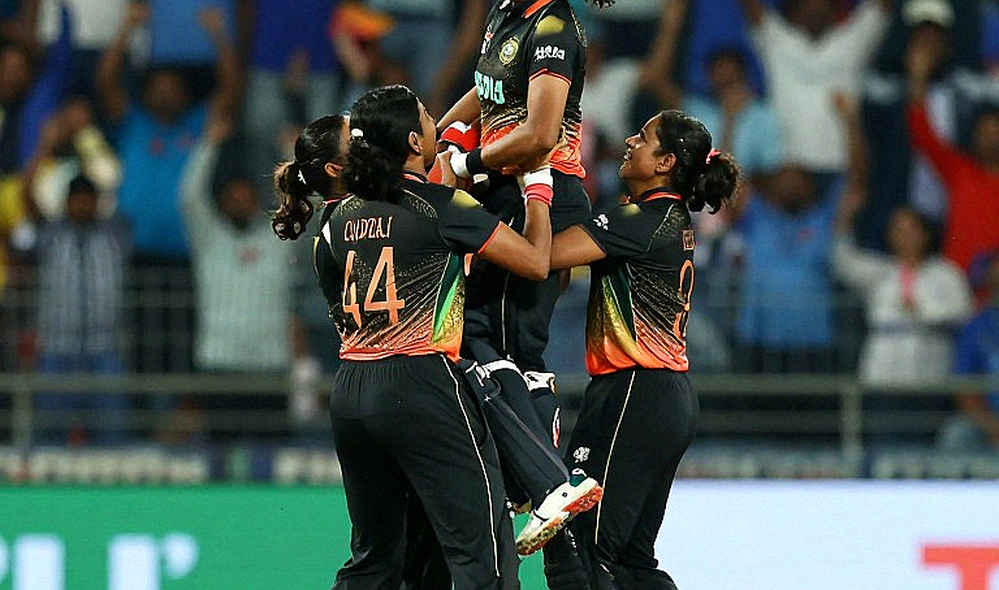
I rewatched every delivery nine times. The first pass revealed Mayank's lines; the second exposed Hope's footwork; the third showed the dew. By the ninth, I understood that both bowling flaws and environmental difficulty were real. The question is which one mattered more.
Core: Grid, Phase and Half-Space
In my blog 'The Half-Space', I have argued that T20 is won between overs 7 and 15, not just in the powerplay. The half-space is not a place; it is a question the pitch asks. Ranchi asked bowlers that question.
India's early control was genuine. Mayank's express pace troubled batters even on a flat deck. But Hope and Sherfane Rutherford's 120-run fourth-wicket stand shifted the match. In the middle overs, India lost containment. The gaps between deep midwicket and long-on were repeatedly found.
Hope's 102* off 45 balls is an outlier by T20I standards. Yet one innings does not create a trend. Mayank's two powerplay wickets are a micro-sample too.
Contrarian Angle
Conditions favoured batting, but India's mid-overs failure was also real. Gambhir's sympathy is protective messaging. The 'again' in his repeated defence of bowlers matters. He said in Guwahati, 'It was not cricket. Just batting.' The narrative protects the bowling unit, but it also risks hiding execution weaknesses.
Takeaway
The series is 1-1. Toss will be decisive. If India bowl first, they may control the game. If they bat again under dew, 250 may not be enough. The grid does not predict; it reveals what the eye has already forgotten.